Food & Barbecue
Texas Is Bigger Than Brisket
Barbecue is essential, but Texas food only comes into focus when you follow tortillas, sausage, kolaches, Gulf seafood, border cooking, East Texas traditions and the dishes that belong to particular towns.
Brisket has become shorthand for Texas food, and it earned the role. A properly smoked brisket is one of the state’s great edible arguments. But organizing an entire food trip around barbecue alone misses the reason Texas eating is interesting: the state is a collision of cattle culture, Gulf seafood, Mexican and Tejano cooking, Czech and German migration, Southern traditions and whatever a town learned to make with the ingredients and labor it had.
Start with barbecue, but order past brisket
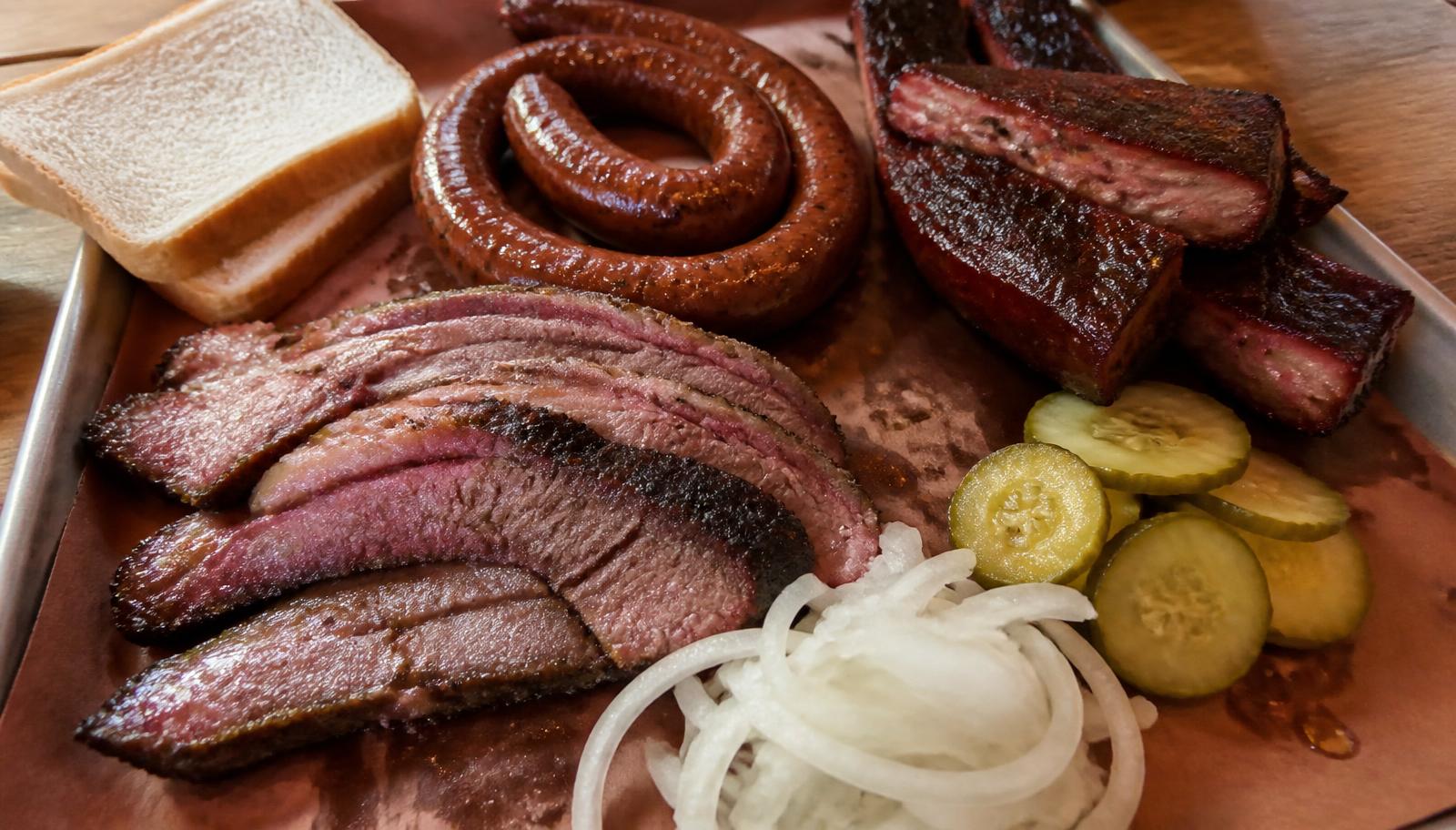
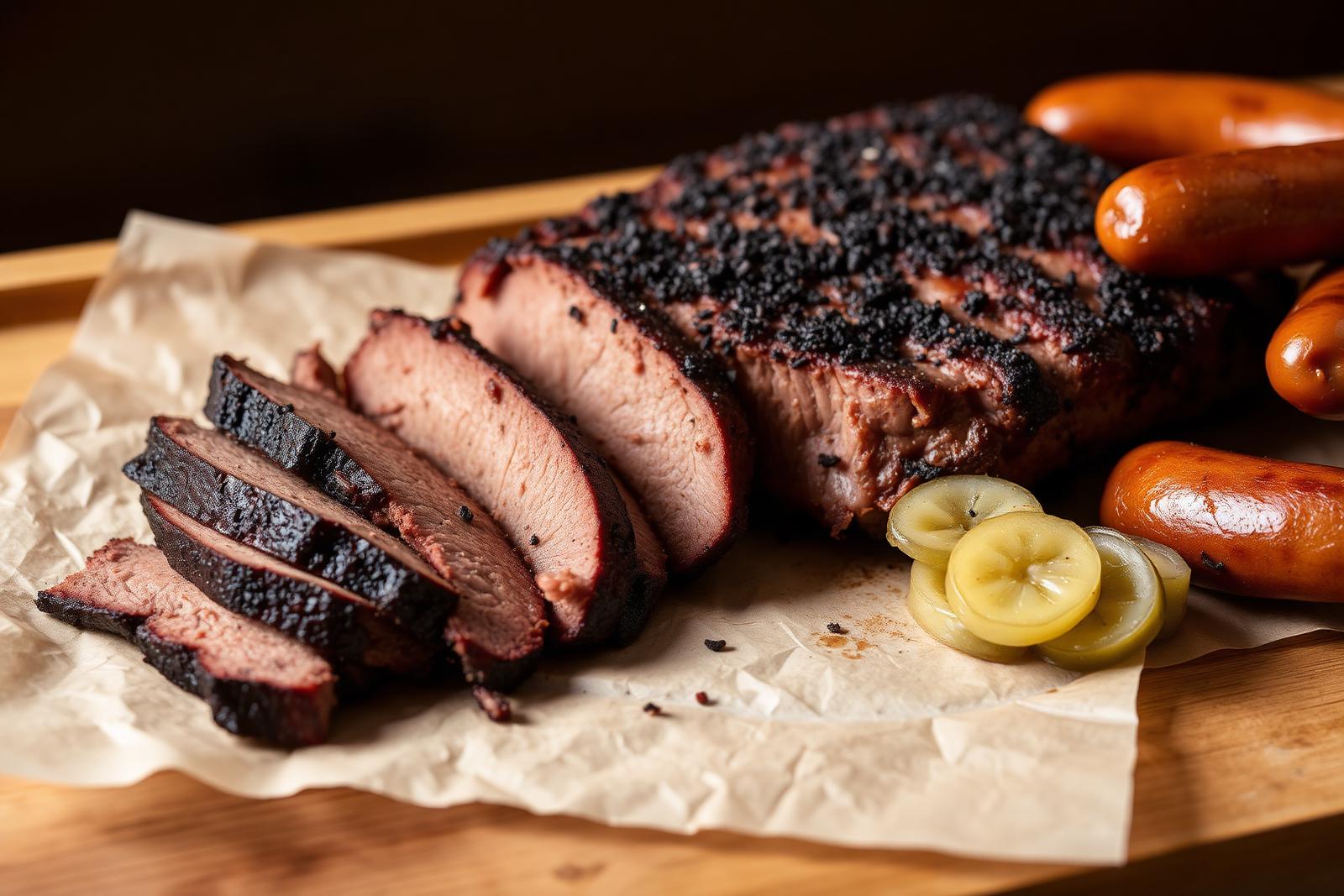
Central Texas barbecue makes the clearest introduction because the method is so exposed. Salt, pepper, smoke, time and meat leave little room to hide. Order brisket, then add sausage. Sausage often tells you more about a place’s butcher roots and willingness to make rather than simply smoke. Pork ribs, turkey and house specialties can show how far a pit has moved from the old meat-market model.
Breakfast is where Texas gets regional
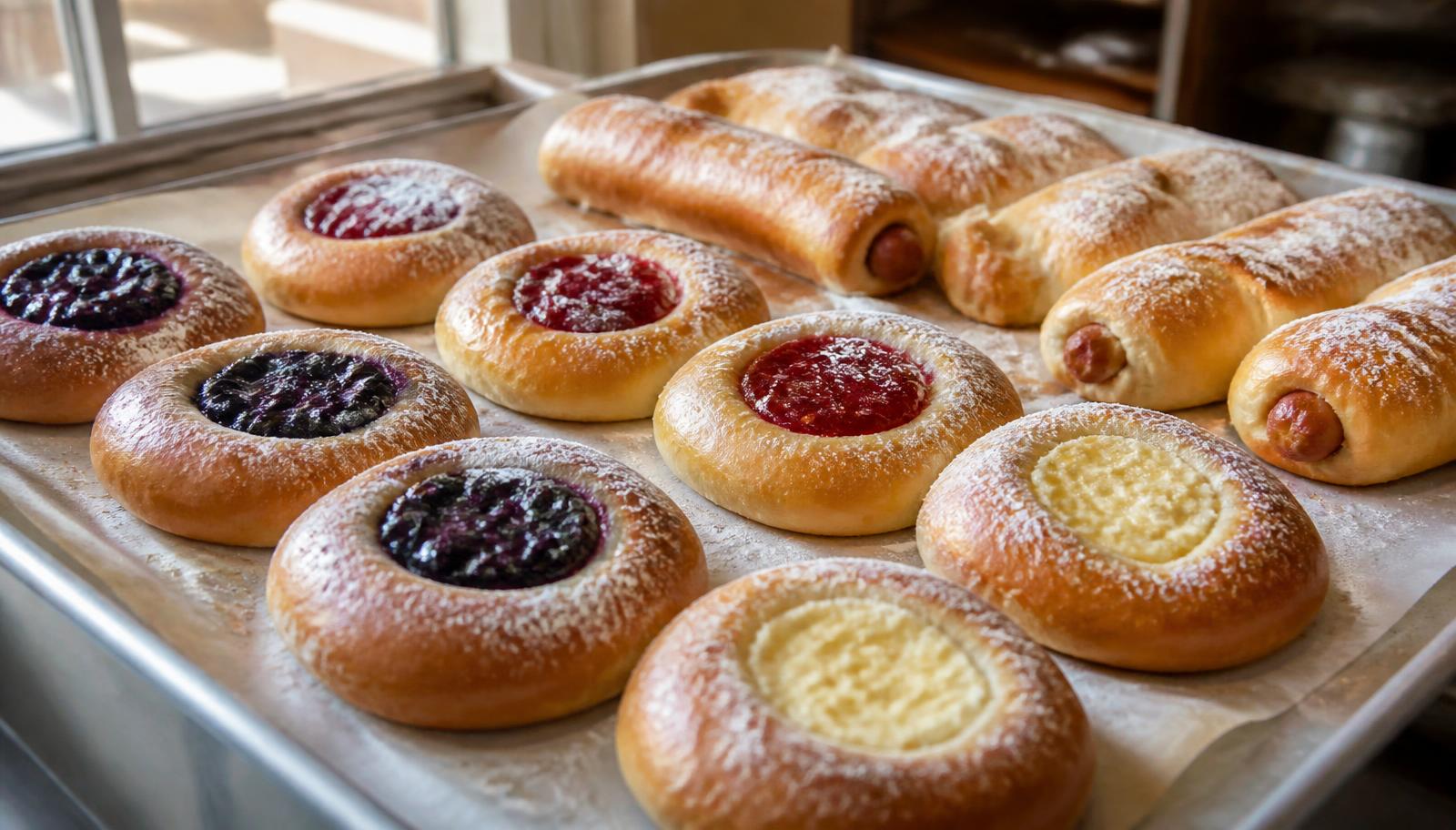
Breakfast tacos in San Antonio, Austin and South Texas are not interchangeable, and neither are kolaches and klobasneks from Czech-influenced communities. The most useful food travel happens before the destination restaurants open. Bakeries, taquerias and cafes reveal what a town feeds itself when nobody is writing a review.
Follow the Gulf inland
Shrimp, oysters, redfish and other Gulf seafood shape menus far beyond the immediate coast. The best seafood trip pays attention to season, harvest conditions and preparation rather than assuming proximity alone guarantees quality. A simple plate in a working port can be more revealing than an elaborate coastal menu built mainly for visitors.
Border food is not one cuisine
El Paso, the Rio Grande Valley, Laredo and San Antonio each sit inside different food histories. Calling all of it Tex-Mex flattens distinctions that become obvious once you travel. Flour tortillas, barbacoa, carne guisada, enchiladas and breakfast plates change in style, texture and emphasis across regions.
- Order the specialty a place is known for before improvising your own combination.
- If a barbecue joint sells by weight, ask for smaller portions of more meats rather than one giant order.
- Do not confuse a long line with automatic quality, but understand that limited production can make sellouts real.
- Leave room for bakeries and breakfast; food trips collapse when every meal is treated like dinner.
- Ask what is local to the town, not just local to Texas.
“The best Texas food question is not ‘What should I eat?’ It is ‘What does this place make that the next town does differently?’”
Brisket can start the trip. It should not end the curiosity. Texas food becomes much more interesting once you stop looking for one statewide cuisine and start following the regional ones.
Texas food is a map before it is a menu
The useful way to think about Texas food is not as one cuisine with a few regional variations. It is a set of overlapping food regions created by geography, migration, agriculture, ranching, ports, railroads and the long border with Mexico. Cattle and smoke matter, but so do Gulf shrimp, Czech and German sausage-making, flour tortillas, East Texas gravy, South Texas barbacoa, West Texas chile traditions, pecans, peaches, rice, citrus and the ordinary breakfast foods people eat before visitors are awake.
That is why a serious Texas food trip should be built around place rather than fame. Lockhart and Luling make sense together because meat-market barbecue developed in a particular Central Texas corridor. West and the communities around it make sense for Czech baking. San Antonio and the Rio Grande Valley reward a different set of questions about tortillas, breakfast, barbacoa and border cooking. The coast is governed by weather, seasons and what boats can actually land. A plate becomes more interesting when you know why it belongs where it is.
Central Texas barbecue grew out of butcher shops, not trophy brisket
The modern line for brisket can make barbecue look like a chef-driven phenomenon, but much of the Central Texas tradition grew from meat markets serving smoked meat as practical food. Sausage is one of the best clues to that older structure. A shop that still grinds, seasons and stuffs its own links is showing the butcher-shop side of Texas barbecue as clearly as a beautifully sliced brisket shows the pit.
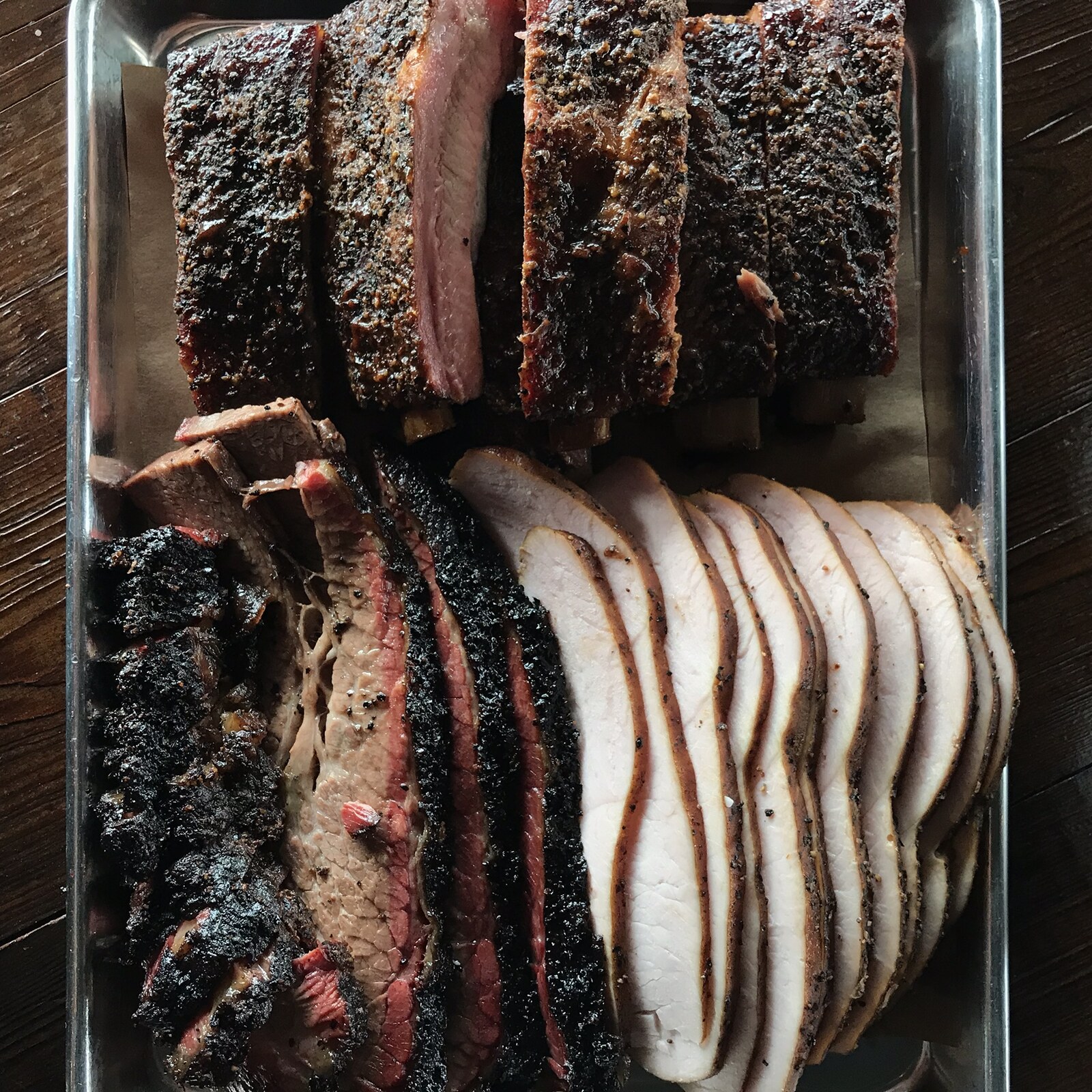
Order enough variety to learn something. Brisket shows fire management and fat rendering. Sausage shows seasoning, grind and casing. Pork ribs reveal how a pit handles leaner cuts. Turkey can expose whether the smoke is balanced or simply aggressive. In East Texas, chopped beef, pork, sandwiches and sauce can matter more to local history than a Central Texas-style tray assembled for tourists. There is no reason to make every region imitate the same benchmark.
Tex-Mex is a Texas cuisine with its own history
Tex-Mex is sometimes described as diluted Mexican food, which misses the history. The Handbook of Texas traces the cuisine through Native American foods, Spanish introductions, Mexican traditions and regional Mexican American communities in Texas. Cheese-heavy enchiladas, chili gravy, combination plates, puffy tacos, breakfast tacos, carne guisada, cabrito and flour-tortilla traditions do not all come from the same place or the same moment. San Antonio, South Texas, El Paso and the Rio Grande Valley can look related on a menu while tasting very different on the table.
The distinction matters when traveling. In San Antonio, look for the relationship between old-school Tex-Mex institutions and newer restaurants that treat regional Mexican and Tejano traditions with more specificity. In the Valley, breakfast and barbacoa can be more revealing than a dinner reservation. In El Paso, the border with Chihuahua produces a different chile, tortilla and enchilada vocabulary than South Texas. Calling all of it one thing is convenient; eating it town by town is better.
The Czech and German story is baked and stuffed into the middle of the state
European immigration left Texas with churches, dance halls, town names and a food vocabulary that survived by changing. Czech kolaches are sweet pastries, while the savory sausage-filled pastry many Texans casually call a kolache is more accurately a klobasnek. The distinction is worth knowing, but so is the Texas reality: bakeries turned both into road-trip food, and generations of customers made them part of the state’s everyday breakfast culture.
German and Czech meat traditions also strengthened the sausage side of barbecue. That is one reason the most rewarding Central Texas route includes bakeries, meat markets and old towns rather than only famous smokehouses. Food traditions rarely stay in one category. A sausage recipe can connect immigration history, ranching, butchery, barbecue and a Saturday morning bakery stop in the same family tree.
The Gulf Coast has its own clock
Texas seafood should be approached seasonally and geographically. Gulf shrimp, oysters, red snapper, blue crab and finfish move through different harvest rules, seasons, weather patterns and supply chains. The state tourism office promotes Gulf seafood as a defining coastal experience, but proximity to saltwater is not a guarantee of freshness or local sourcing. Ask what is in season, where it came from and how the restaurant handles the catch.
The coast also changes the rest of the state. Vietnamese and Cajun influences around Houston and the upper Gulf Coast, shrimping communities, fish houses, oyster bars and cook-your-catch restaurants complicate the idea that Texas food is mostly beef. Houston in particular is one of the places where global migration and Gulf geography meet on the same street. A Texas food guide that skips that story is describing an older, smaller state.
East Texas belongs in the conversation
East Texas cooking draws from the broader Southern foodways of the Piney Woods and Deep South: fried catfish, greens, cornbread, beans, smothered meats, cobblers, gravy and barbecue traditions that can lean more toward chopped meat and sauce. The region also connects to Louisiana through ingredients, family ties and proximity. If a food itinerary only runs Austin–San Antonio–Hill Country, it is missing an entire Texas that does not need brisket to explain itself.
Build a Texas food trip that can teach you something
- Pick one region first. A two-day South Texas trip will teach more than racing between unrelated statewide icons.
- Eat breakfast. Bakeries, taquerias and diners often reveal local habits better than destination dinners.
- Order one thing you already understand and one thing you do not. Familiarity gives you a baseline; curiosity gives the trip a reason to exist.
- Ask what is made in-house: sausage, tortillas, bread, pickles, salsa, pie, smoked meat or seafood preparation.
- Notice the town around the restaurant. Meat markets, bakeries, produce stands, ports, ranch country and immigrant neighborhoods explain menus.
- Respect sellouts and seasons. Limited production is part of many Texas food traditions, not necessarily a marketing trick.
- Do not let social media turn every meal into a ranking. The point is to understand a place, not to declare one plate the state champion.
A better definition of Texas food
Texas food is what happens when a very large place keeps absorbing people without completely erasing what they brought with them. Smoke and cattle are part of that story. So are corn and chiles, flour tortillas, Czech dough, German sausage, Gulf shrimp, East Texas fish fries, Vietnamese-Cajun crawfish, South Texas breakfast plates and the seasonal produce that appears beside highways for a few weeks at a time.
Brisket deserves its place on the cover. Authority begins when the story keeps going after the first slice.
Primary source: Handbook of Texas — Tex-Mex Foods ↗
From the magazine
More stories to read next
The Texas Table
Texas Barbecue Styles Explained: Central, East, South and West Texas
August 6, 2026 · About 8 minutes