Skip to content
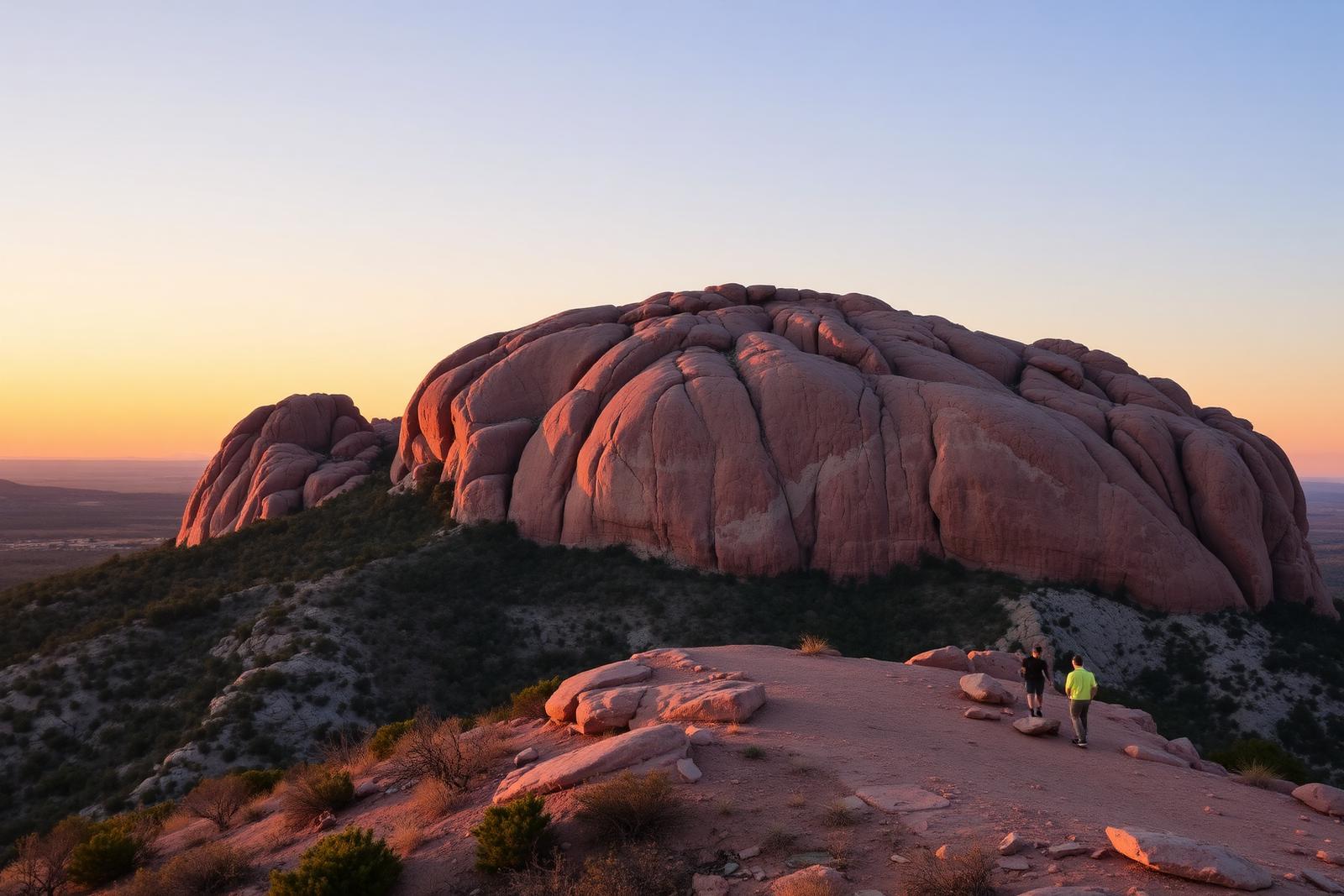
The granite dome of Enchanted Rock under a wide sky

Texas History

The stories that still shape this place

Missions and cattle trails, oil booms and courthouse squares — the people, places and turning points that still shape how Texas looks and feels today.

Featured story

This month’s selection

A closer look at one story from this section, selected by Texas Defined.

More from this section

Stories, notes and dispatches

Go to the places themselves

Historic Sites & Museums across Texas

Explore battlefields, missions, forts, presidential homes, plantations, museums and historic landscapes with visitor context and official sources.

Browse all historic sites →

New preservation records · 2025–2026

Which Texas places were recently recognized?

Explore the latest National Register listings by county, year and building type. Distinguish officially listed places from nominations in progress, with official THC research links and respectful-access guidance.

Browse newly recognized historic landmarks →

Plan history by story

33 routes into the statewide collection

Start with a narrative, then move into the individual historic sites. These guides connect places that make more sense together than they do as isolated stops.

Before colonization · Native nationsIndigenous Texas: Native nations before European colonizationBegin with more than 13,000 years of human history, then follow Caddo, coastal, South Texas, Plains and Pueblo worlds into colonization, removal and living tribal governments today.Open history guide →Before statehood · originsTexas before the United States: how Texas beganStart here for the full chronology from Indigenous homelands and European empires through Spanish and Mexican Texas, the Revolution, the independent Republic and U.S. statehood.Open history guide →1519–1821Military Texas before the RepublicStart with Spanish presidios, imperial rivalry, the Gutiérrez-Magee Expedition and the 1813 Battle of Medina before Mexican independence reshaped the province.Open history guide →1821–1835Military in Mexican TexasFollow presidio garrisons, settler militias, the Fredonian Rebellion, Anahuac, Turtle Bayou and Gonzales as Mexican authority and local resistance collided.Open history guide →1835 → modern eraTexas military historyTrace the military story from Gonzales and the Republic through frontier forts, the Civil War, border mobilizations, the world wars and the modern military map.Open history guide →1835–1836Texas Revolution road tripFollow the political and military sequence from San Felipe and Washington-on-the-Brazos through Goliad and San Jacinto.Open history guide →Republic government · 1835–1846Republic of Texas government trailFollow government from San Felipe and Washington through Columbia, Austin diplomacy and the final transition from independent republic to statehood.Open history guide →Republic Navy · 1835–1845The Republic of Texas NavyFollow the First and Second Texas Navies from the 1836 Gulf supply line through Edwin Ward Moore, Yucatán and the Battle of Campeche.Open history guide →1836–presentHistory of the Texas flagFollow the Lone Star from revolution-era proposals and the Burnet flag through the Republic's 1839 design, statehood, the statutory gap and the modern Texas Flag Code.Open history guide →1846–1848Texas and the U.S.–Mexican WarStart at Palo Alto and Resaca de la Palma to understand annexation, the disputed Rio Grande boundary and the war that redrew a continent.Open history guide →Frontier TexasTexas frontier forts road tripCompare four Army posts to understand overland travel, military logistics, ranching and conflict across the western frontier.Open history guide →1866 → frontier eraBuffalo Soldiers in TexasFollow the Black Regulars through Fort Davis, Fort Concho, Fort McKavett and Fort Lancaster while holding military service, citizenship and Native dispossession in the same history.Open history guide →1874–1875The Red River War in TexasConnect Adobe Walls, Palo Duro Canyon, bison destruction and the five-column Army campaign to Native removal and the ranching transformation of the Panhandle.Open history guide →1861–ReconstructionTexas in the Civil War & ReconstructionConnect Galveston, Sabine Pass and Palmito Ranch to slavery, Juneteenth, emancipation, Reconstruction, postwar homes and the later construction of Civil War memory.Open history guide →1898–1899Texas and the Spanish-American WarFollow San Antonio, the Rough Riders, Texas volunteer regiments and the transition from a continental Army toward overseas military service.Open history guide →1916–1918Texas in World War IConnect border mobilization, Camp Logan, the 36th and 90th Divisions, early military aviation and the wartime home front.Open history guide →Citizen-soldiersTexas National Guard historyFollow the state's citizen-soldier tradition from militia companies and Camp Mabry through the 36th Division, disaster response and modern Guard service.Open history guide →Military City USASan Antonio military aviationSee how Kelly, Brooks, Randolph, Lackland and Fort Sam Houston made San Antonio a national center for aviation, training and military medicine.Open history guide →Public lifePresidential TexasUse preserved homes to connect Eisenhower, the Bush family and Sam Rayburn to the Texas communities that shaped their public careers.Open history guide →Labor · freedom · archaeologySlavery, emancipation and plantation TexasRead Levi Jordan and Varner-Hogg through enslaved labor, emancipation, Reconstruction, archaeology and the changing systems that followed.Open history guide →Politics · oil · philanthropyThe Hogg family in TexasConnect James and Sallie Hogg and their children Will, Ima, Mike and Tom to reform politics, oil wealth, River Oaks, mental-health philanthropy and preservation.Open history guide →Family · first lady · public serviceSallie Hogg and the family before the oil eraFollow Sarah Ann Stinson Hogg from Wood County and the Governor's Mansion to the education, music and public-service values she passed to Will, Ima, Mike and Tom.Open history guide →Arts · mental health · preservationIma Hogg's Texas legacyFollow the Houston patron who helped build the symphony, the Hogg Foundation, Bayou Bend and a statewide preservation legacy.Open history guide →Business · planning · philanthropyWill Hogg and modern HoustonTrace the Hogg sibling who connected oil-era business, River Oaks, university advocacy, arts patronage and the estate that helped create the Hogg Foundation.Open history guide →Planning · architecture · exclusionRiver Oaks and the Hogg brothersSee how Will and Mike Hogg, Hugh Potter and outside planning consultants built a model Houston suburb whose private controls shaped both design quality and exclusion.Open history guide →Philanthropy · institutions · public healthThe Hogg Foundation for Mental HealthFollow Will Hogg's estate, Ima and Mike Hogg's decisions and The University of Texas into a statewide mental-health institution operating since 1940.Open history guide →Rusk · Quitman · Austin · Houston · BrazoriaHogg Family Heritage TrailConnect six surviving places from James Hogg's East Texas origins through Austin, Bayou Bend, Winedale and Varner-Hogg Plantation.Open history guide →BorderlandsTexas borderlands historic sitesConnect Pueblo, Spanish, Mexican, Tejano and Indigenous histories through missions, homes and landscapes from El Paso to South and East Texas.Open history guide →Naval history · aircraft carrierUSS Lexington (CV-16): the Blue GhostExplore the surviving World War II aircraft carrier in Corpus Christi: Pacific campaigns, naval aviation, museum visit and original Navy photographs.Open history guide →World War IITexas and World War IIConnect Battleship Texas, Eisenhower, the Pacific War, Iwo Jima memory and railroad mobility through five Texas places tied to a global conflict.Open history guide →World War II home frontBases, training camps and POW campsUnderstand the enormous wartime training network—and the separate POW and civilian-internment systems—that reshaped communities across Texas.Open history guide →Cold War · 1946–1991Cold War TexasConnect Carswell strategic bombers, Dyess Atlas silos, Pantex, Laughlin U-2 missions and the statewide infrastructure of nuclear deterrence.Open history guide →1990–presentTexas in Recent WarsFollow Desert Storm, Balkan peacekeeping, Afghanistan, Iraq, BRAC-era restructuring and the modern Texas National Guard after the Cold War.Open history guide →

Naval history · 1914–present

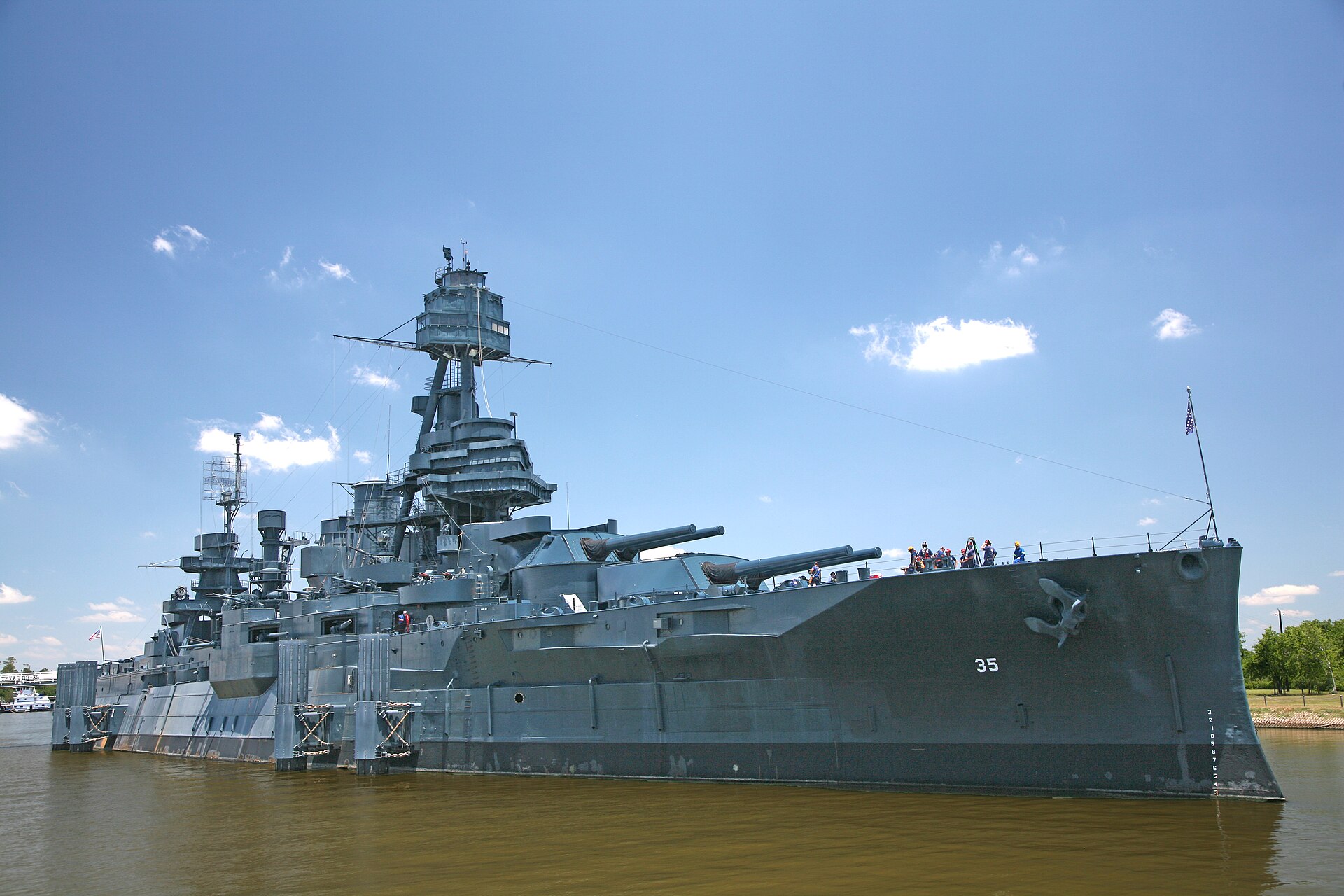
Battleship Texas connects the dreadnought era to Galveston.

Follow USS Texas (BB-35) from World War I and D-Day through Iwo Jima, Okinawa, seven decades at San Jacinto and the current restoration for a permanent Pier 15 museum home in Galveston. Regular tours remain closed while restoration continues.

1835–1836

Texas Revolution: from colony to independence

Follow the political and military story from Austin's colony and Washington-on-the-Brazos through Goliad, San Jacinto and the first months of the Republic.

Frontier Texas

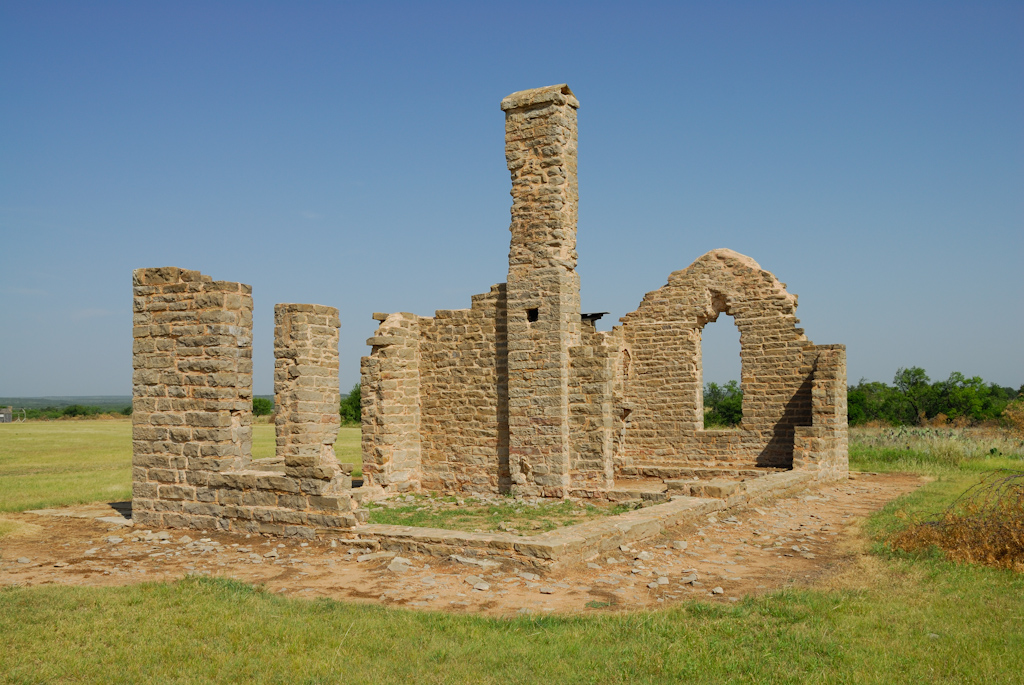
The frontier-fort circuit

Army posts explain westward expansion, overland travel, conflict with Native nations and the service of Buffalo Soldiers.

1846–1848

Palo Alto and the contested U.S.–Mexico border

Connect the Rio Grande boundary dispute, the 1846 Palo Alto battlefield, Gulf supply lines through Port Isabel and the corridor later used in the Civil War.

Cattle trails & ranching

Longhorns, cattle trails and the ranching frontier

Connect the Official State Longhorn Herd and Fort Griffin with Charles and Mary Ann Goodnight, trail-driving history and the rise of large Panhandle ranches.

Roads, inns & rail travel

How Texans traveled before highways

Stagecoach inns, freight roads, overland military routes and a Santa Fe Harvey House show how travel networks shaped towns before the automobile era.

1861–Reconstruction

Civil War, emancipation and Reconstruction

Move from coastal and border battlefields into emancipation, postwar households, plantation archaeology and the later construction of Confederate memory.

Public life

Presidents, speakers and Texas statesmen

Historic homes and birthplaces show major political figures at a revealing Texas scale.

Borderlands

Missions, borderlands and cultural exchange

Connect Indigenous, Spanish, Mexican and American histories through El Paso, South Texas and mission landscapes that long predate the Republic.

Immigration & enterprise

German Texas and the Hill Country

Fredericksburg and Fayette County pair immigration history with frontier military sites, brewing and cultural heritage.

Labor, freedom & memory

Slavery, emancipation and plantation Texas

Brazoria County preserves essential histories of enslaved labor, emancipation, archaeology, agriculture and wealth.

Before and after contact

Indigenous homelands and the mission frontier

Read Caddo and Lipan history alongside Spanish mission sites, remembering that the descendant communities and their histories remain alive today.

Historic memory

How Texas remembers the Revolution and Republic

Compare actual battlefields and burial places with later monuments, family memorials and the decisions that shaped public memory.

Government and diplomacy

Life and diplomacy during the Republic of Texas

Follow politics beyond the battlefields through Tejano leadership, French diplomatic connections, a working Republic farm and the first government centers.

Domestic history

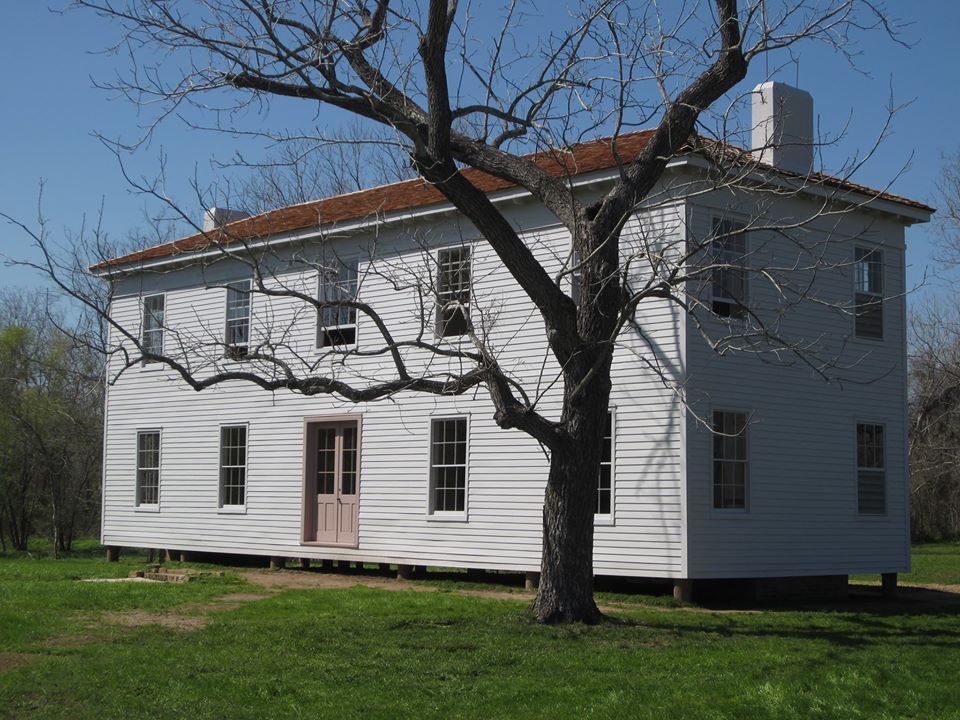
Texas historic homes and the people who worked in them

Compare coastal, borderlands and rural historic homes, paying attention to both elite households and the workers whose lives sustained them.

Cross-border history

Mexican and Tejano history on both sides of the border

Connect the life of Zaragoza to Goliad's presidio and Tejano leaders; distinguish Cinco de Mayo, Mexican independence and the Texas Revolution.

Veteran remembrance

Texas national cemeteries and living remembrance

Compare active veterans' burial landscapes across three Texas metropolitan regions with respectful cemetery visitation and VA operator guidance.

20th-century military history

Texas and the world wars

Texas places connect Eisenhower, the Pacific War, Iwo Jima and railroad-era travel to national and global history.