Skip to content

The Texas Guidebook

The systems, landscapes and people that explain Texas

Ten deeply reported Texas Defined guides, twenty-five focused supporting explainers and 140 plain-English answers connecting the roads, water, government, food, traditions, landscapes, homes and local systems that make Texas work the way it does.

Start with the big picture

Texas makes more sense when the pieces connect.

These are not ten unrelated stories. Rivers influenced settlement. Reservoirs changed where cities could grow. Roads connected farms and ranches to markets. Courthouse squares organized towns. Plants, wildlife, architecture and migration all followed the geography in different ways. Read together, the guides form a working explanation of the state.

Quick answers

Six Texas questions, answered before you dive deeper

Each answer is the short version. The linked guide explains the history, geography and practical details behind it.

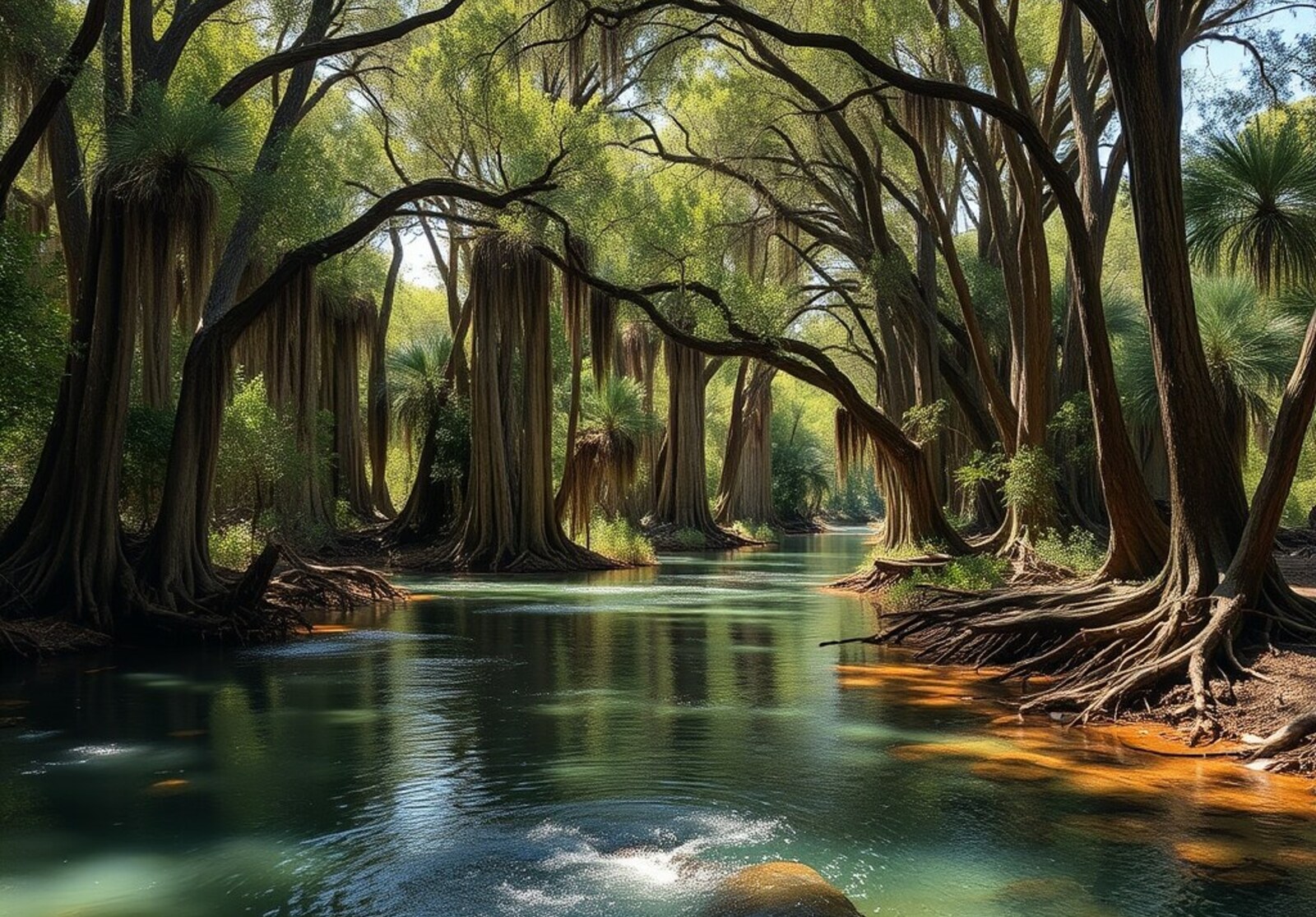
What are the major rivers of Texas?
Major Texas river systems include the Rio Grande, Pecos, Brazos, Colorado, Guadalupe, Nueces, San Antonio, Trinity, Sabine, Neches, Red and Canadian. Their basins cross very different landscapes, from West Texas mountains and desert to Central Texas plains, Hill Country limestone and the wetter forests of East Texas.
See the major rivers and basins →
Why are most Texas lakes man-made?
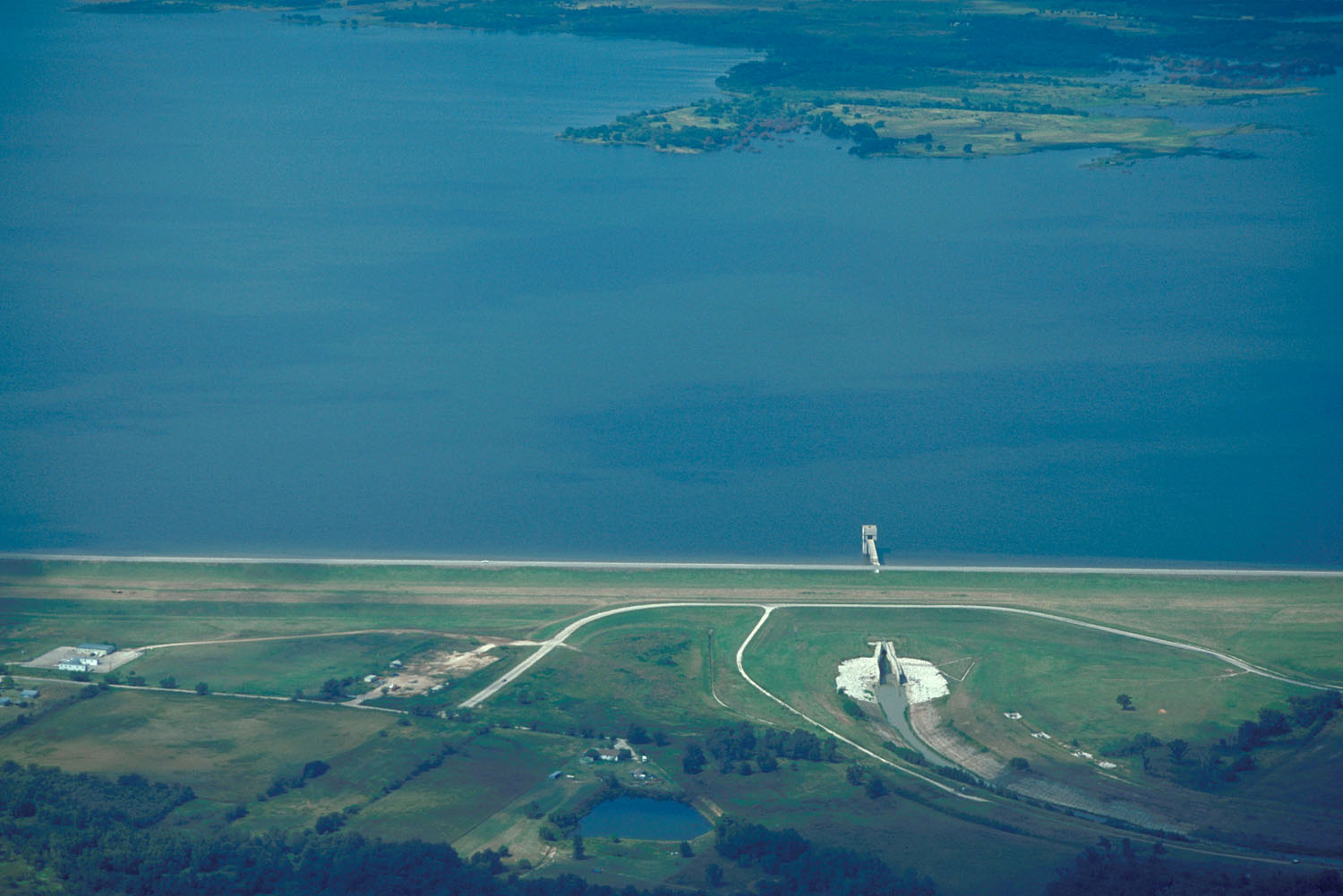
Texas has long river systems but relatively few large natural inland lakes. Reservoir construction became a practical way to store water, reduce flood risk, support cities and farms, and create dependable surface-water supplies.
Read the reservoir guide →
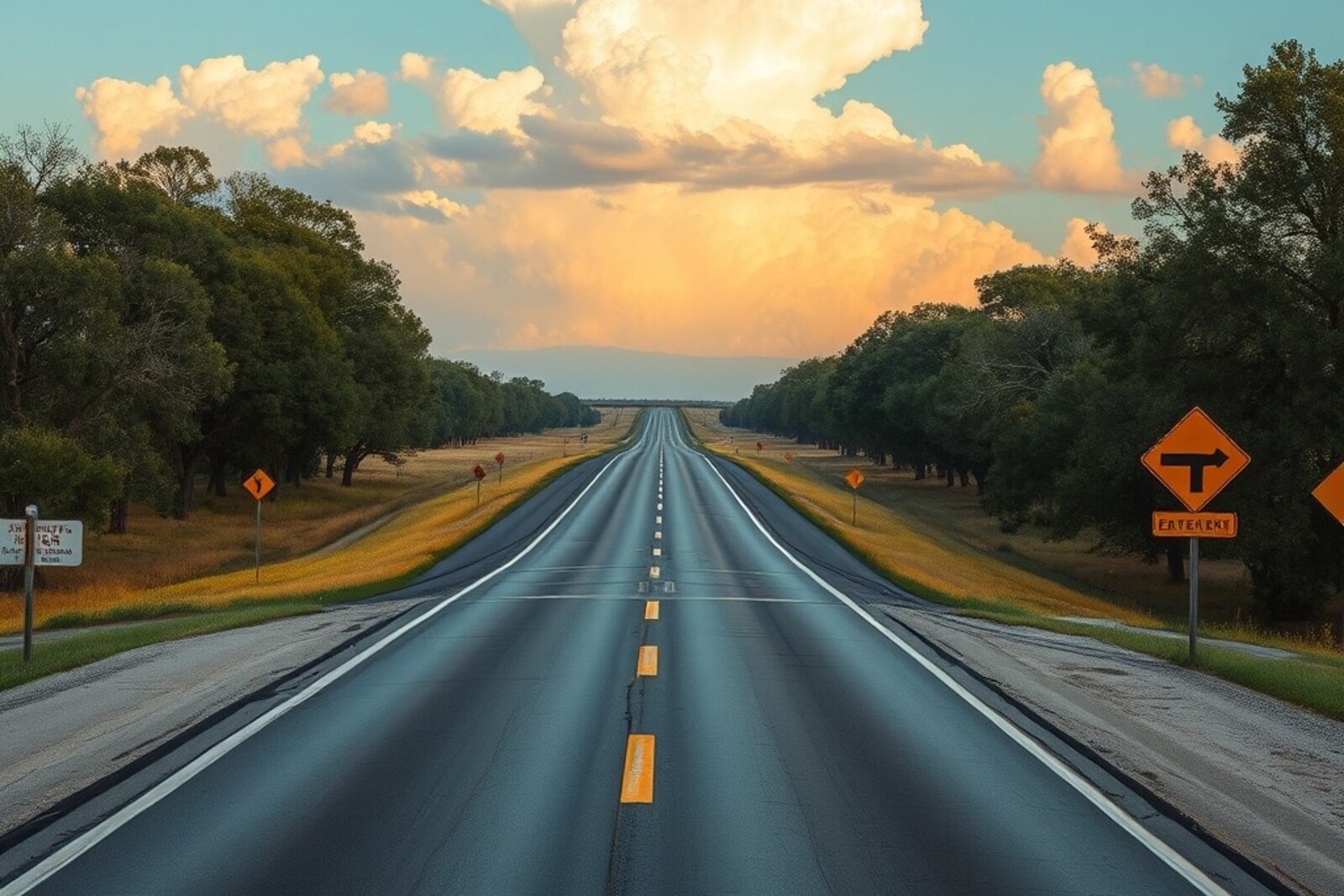
What is a farm-to-market road?
FM is a Texas state-highway designation, not a generic name for any rural road. The system was built to connect farms, ranches and smaller communities with markets and larger highways, and many FM roads now run through developed suburbs and cities.
Understand FM roads →
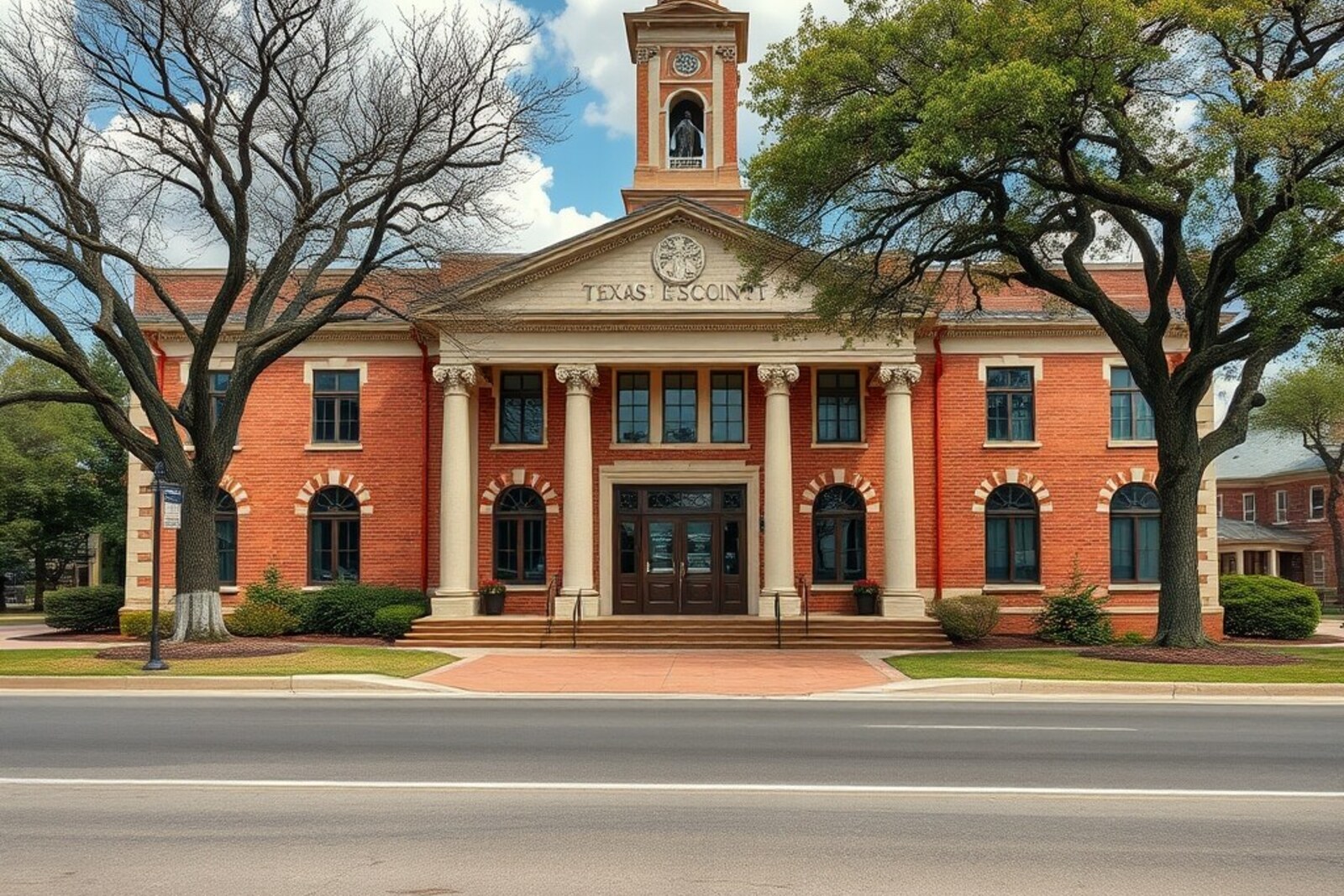
Why do so many Texas towns have courthouse squares?
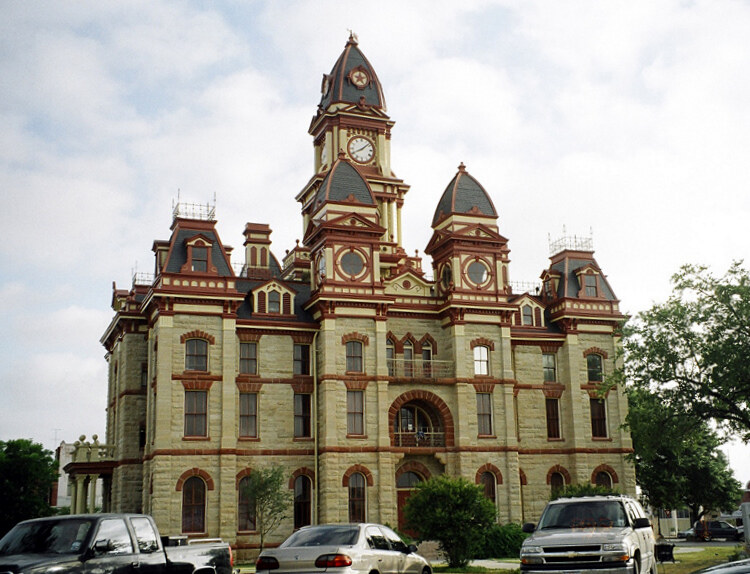
County seats concentrated government, records, courts and commerce in one place. In many communities, the courthouse became the civic anchor and the surrounding square became the town's most important public and commercial space.
Explore courthouse squares →
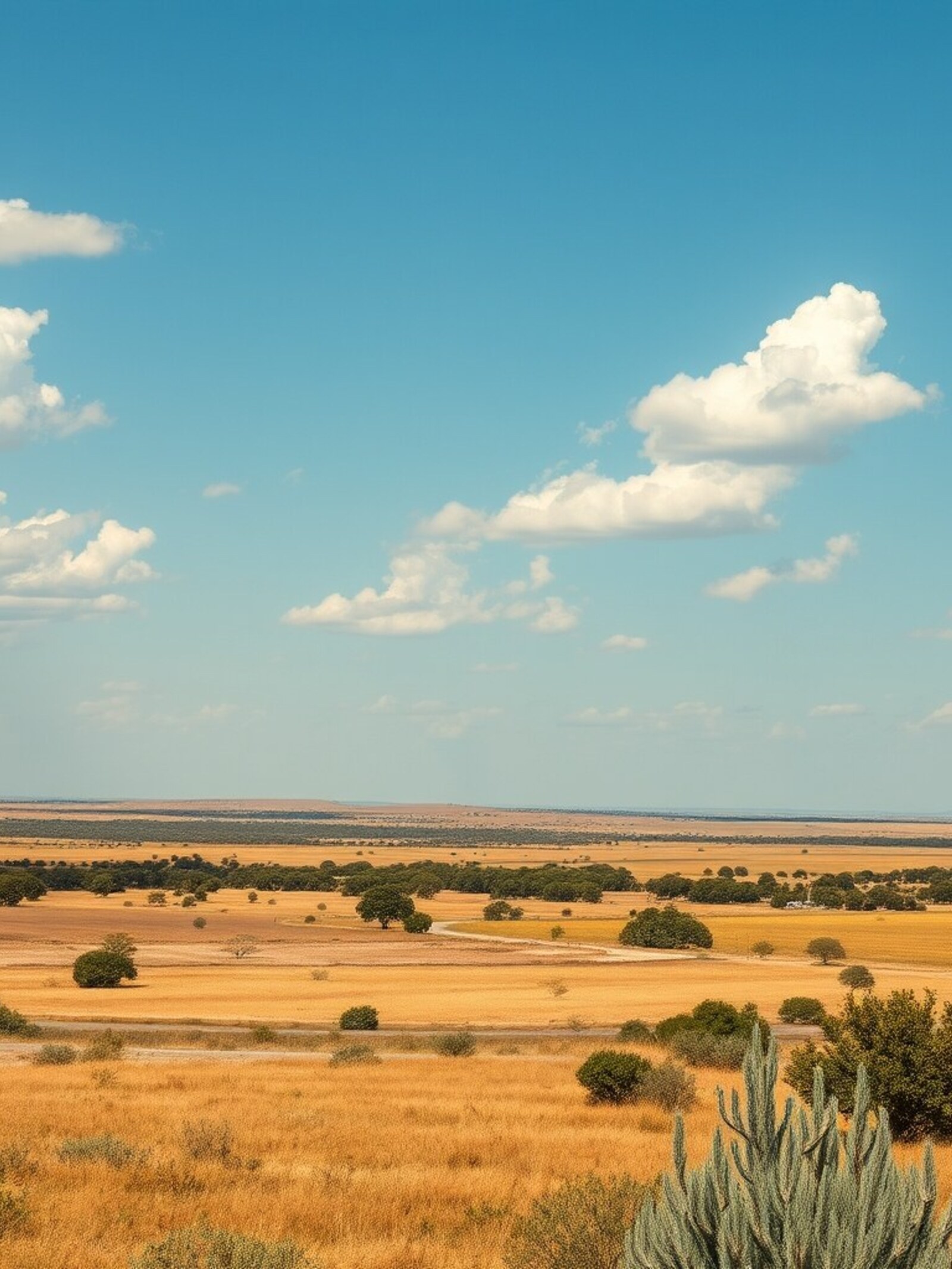
Why does Texas feel so different from one region to another?
Rainfall, soils, elevation, rivers and plant communities change dramatically across the state. Migration and settlement then layered different languages, foods, architecture, industries and traditions onto those different landscapes.
See the cultural regions →
Why do Texas homes and land decisions depend so much on location?
Clay soils, drought, heat, wind, flood exposure, water access, septic needs, utilities and local development patterns vary by region. A house or parcel that makes sense in one part of Texas can require very different due diligence somewhere else.
Read the land-buying guide →
See all 140 Texas questions answered →

Texas questions

140 Texas questions, answered in plain English

Start with the question people actually type. TexasDefined answers the short-form question here, then points to a stronger canonical guide when the subject deserves deeper treatment. Questions without a deep-dive link are still answered here instead of being turned into thin standalone pages.

Texas Explained

Roads, transportation & infrastructure

12 common questions with direct answers and deeper TexasDefined reading where it adds value.

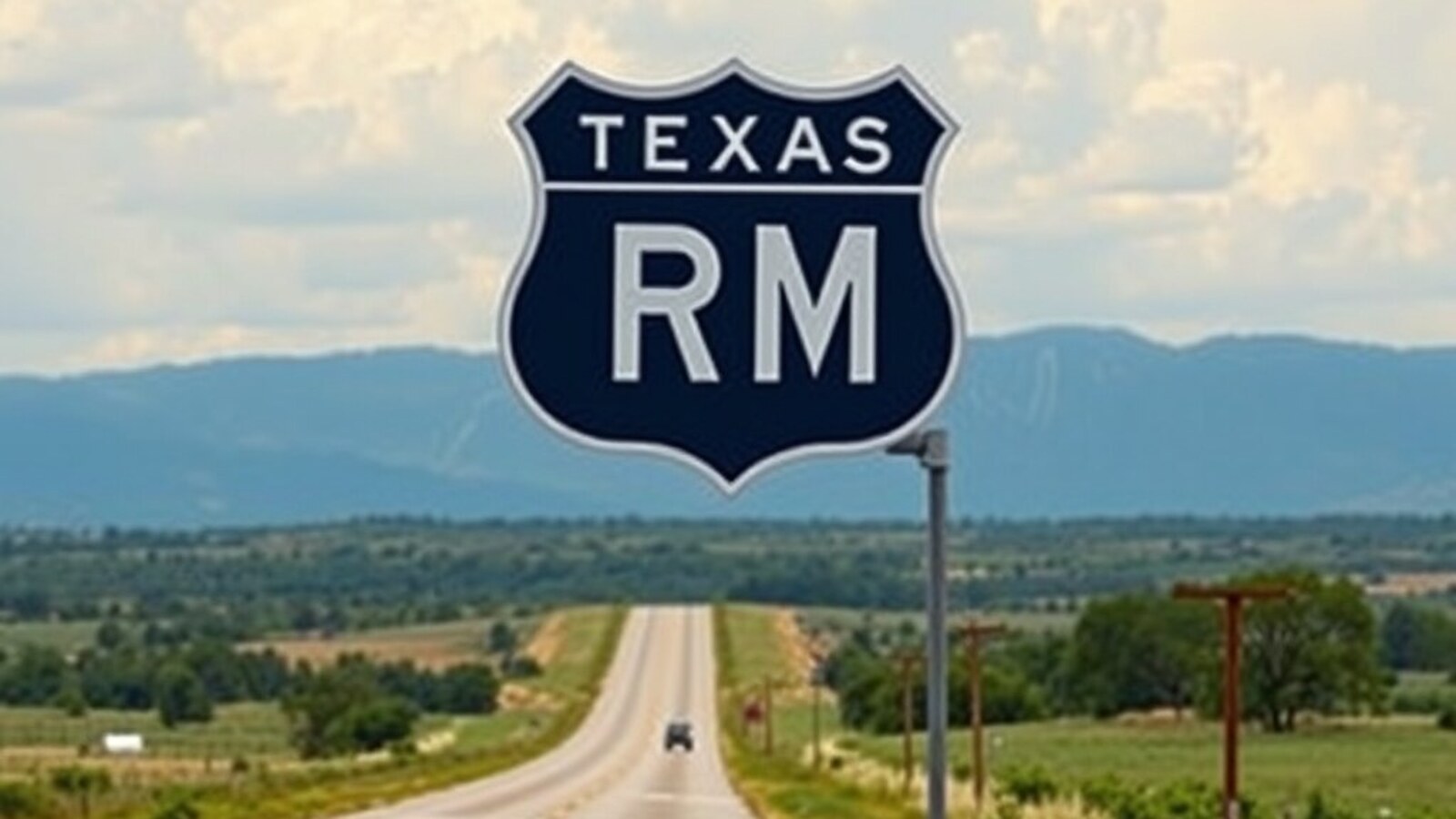
Why are Texas roads called FM and RM roads?

FM means Farm to Market and RM means Ranch to Market. They are state-maintained highway designations created to connect rural producers and communities with market towns and larger roads; many now run through suburbs because development grew around them.

Read the FM road guide →

What is a farm-to-market road?

A Farm to Market road is part of the Texas state highway system, not simply a nickname for a rural road. The designation reflects the route's historic purpose of connecting farms and smaller communities to markets and larger highways.

Farm-to-market roads explained →

What is a ranch-to-market road?

A Ranch to Market road serves the same broad state-highway function as an FM road but uses the RM designation on certain routes, especially in ranching country. It is an official highway designation rather than a description of who may use the road.

Ranch-to-market roads explained →

Why does Texas have so many frontage roads?

Frontage roads let local traffic reach businesses, neighborhoods and intersecting streets while the main freeway handles through traffic. Texas used them extensively as cities expanded along highways, so they became a familiar part of the state's urban road design.

Why do Texans call frontage roads feeder roads?

Feeder road is a common Texas term, especially around Houston, for a road running alongside a freeway and feeding vehicles onto or off the main lanes. The official transportation term is usually frontage road or access road.

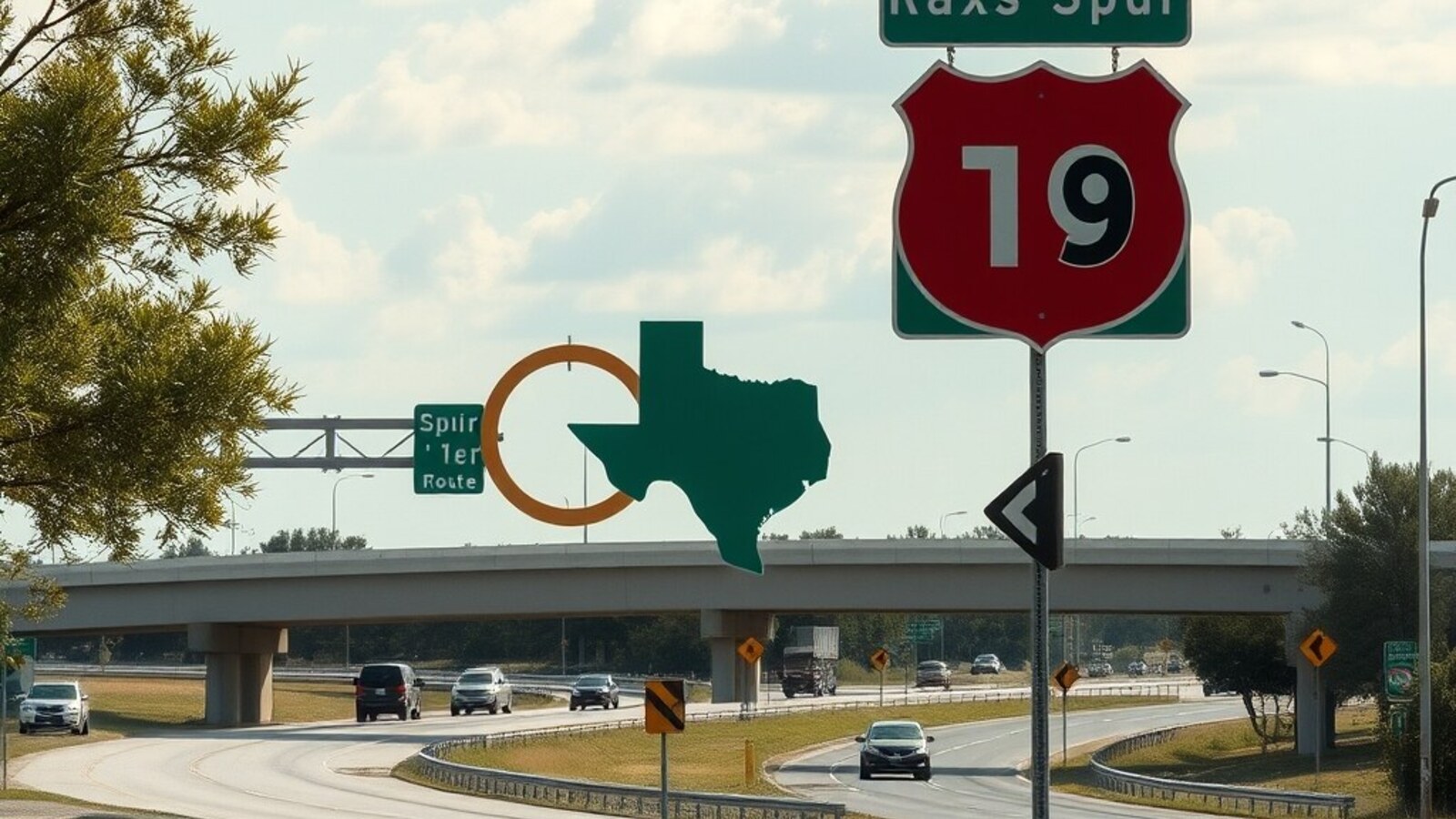
What is a Texas loop road?

A Loop is a numbered state-highway designation that generally connects back to another highway or circulates traffic around or through a community. The exact shape varies, so not every Texas Loop is a complete circle.

Texas loops and spurs explained →

What is a Texas spur road?

A Spur is a short state-designated route that branches from another highway to reach a town, facility, district or other destination. Unlike a loop, it generally does not return to the same highway.

Texas loops and spurs explained →

What is a Texas business route?

A business route carries a numbered highway designation through the commercial center of a town after the main through route has been shifted to a bypass or faster alignment.

Texas business routes explained →

Why are some Texas highways called park roads?

Park Roads are state highway designations used primarily to provide access within or to Texas state parks and related public recreation areas.

Park and recreational roads explained →

Why do so many Texas highways have memorial names in addition to numbers?

A highway can keep its official route number while also receiving a memorial or honorary name through a separate designation process. The number remains the practical navigation identifier even when a commemorative name appears on signs.

Historic and memorial highways explained →

Why are Texas interstate exits often so far apart outside cities?

Texas has long rural distances between towns, services and intersecting highways, so exit spacing reflects settlement patterns as much as engineering. In metro areas, exits are much closer together because local access demand is higher.

Why are Texas highways so wide around major cities?

Fast population growth, freight movement, commuting and suburban development have pushed many Texas metro corridors toward large multilane freeway systems with frontage roads, managed lanes and major interchanges.

Texas Explained

Government, counties & special districts

12 common questions with direct answers and deeper TexasDefined reading where it adds value.

Why does Texas have so many counties?

Texas has 254 counties because local government had to remain reachable across an enormous state when travel was much slower. As settlement expanded, new counties were created so residents could reach courts, records and public offices without extreme journeys.

Why Texas has 254 counties →

What is a Texas county seat?

A county seat is the community where a county's main government institutions are centered, typically including the courthouse and major county offices. It is the civic capital of the county, even when another city in the county is larger.

Why do so many Texas towns have courthouse squares?

County seats concentrated courts, records, government and commerce in one place. The courthouse became the civic anchor, and businesses naturally clustered around the surrounding square.

Texas courthouse squares explained →

What does a Texas county government actually do?

Texas counties commonly handle courts, records, elections, roads, law enforcement, jails, tax administration and other local services, with responsibilities divided among elected county offices.

What is a Texas commissioners court?

The commissioners court is the governing body of a Texas county. Despite the word court, its main role is administrative and budgetary, led by the county judge and county commissioners.

What is a MUD district in Texas?

A Municipal Utility District is a special-purpose local government that can finance and operate infrastructure such as water, wastewater and drainage, often in developing areas outside traditional city utility systems.

MUD taxes explained →

What is a Texas water district?

Texas uses several kinds of special districts to provide water, wastewater, drainage, flood-control or related services. Their powers and boundaries vary, so the exact district type matters when evaluating a property or community.

Special districts explained →

What is a PID in Texas?

A Public Improvement District is a defined area where property owners may pay assessments to fund improvements or services that benefit that district, such as landscaping, streetscape work or infrastructure.

MUDs, PIDs and special districts →

What is an ESD in Texas?

An Emergency Services District is a local government district created to fund services such as fire protection, emergency medical response or both within a defined area.

What is a groundwater conservation district?

A groundwater conservation district is a local regulatory district that manages groundwater use within its boundaries under Texas law, often through well rules, permits and conservation planning.

Why can one Texas address be in a city, county, school district and several special districts at once?

Texas local boundaries overlap because cities, counties, school districts and special-purpose districts are separate government layers created for different services. A single property can therefore belong to several taxing or service jurisdictions at the same time.

Why don't Texas city limits match ZIP codes or school districts?

City boundaries, ZIP codes and school districts were created for different purposes and by different authorities. They often overlap in ways that feel counterintuitive, so an address should be verified against each system separately.

Texas Explained

Property, taxes & local finance

12 common questions with direct answers and deeper TexasDefined reading where it adds value.

How does Texas property tax work?

Texas property tax is primarily local. Appraisal districts determine taxable property values, while local taxing units such as counties, cities, school districts and special districts adopt tax rates that are applied to those values after exemptions and other rules.

Understand Texas property taxes →

Why does Texas have high property taxes but no state individual income tax?

Texas relies on a different mix of state and local revenue sources than states with broad individual income taxes. Local governments and school districts depend heavily on property taxes, while the state also relies significantly on sales and business-related taxes.

What is a Texas homestead exemption?

A residence homestead exemption reduces taxable value for qualifying homeowners and may also trigger additional protections or local exemptions. Eligibility and application details matter, so homeowners should use current official guidance.

What is an appraisal district in Texas?

A county appraisal district values taxable property within the county for local property-tax purposes. It does not set the tax rate; local taxing units do that separately.

Why can my Texas property value rise even if I did not sell my house?

Appraisal values are updated based on market evidence and statutory appraisal rules, not only when a property changes hands. A rising local market can therefore increase appraised value without a sale.

What is a Texas property-tax protest?

A property-tax protest is the formal process for challenging certain appraisal decisions, such as value or other appraisal-district determinations. Deadlines and procedures are time-sensitive, so current local appraisal-district instructions control.

Why are school taxes such a large part of many Texas property-tax bills?

Independent school districts are major local taxing units and historically have relied heavily on property-tax revenue. The share varies by property and location because multiple taxing units appear on the same bill.

What are MUD taxes on a Texas property-tax bill?

If a property lies in a Municipal Utility District, the district may levy its own property tax to repay infrastructure debt and fund operations. The rate can materially affect the total tax burden on a home.

MUD taxes explained →

How does Texas sales tax work?

Texas imposes a state sales and use tax, and eligible local jurisdictions may add local sales taxes subject to state limits and rules. What is taxable depends on the type of good or service.

Texas sales tax explained →

Why do Texas property-tax rates vary so much by neighborhood?

Different homes can sit inside different combinations of cities, school districts, MUDs, emergency districts and other local jurisdictions. Those overlapping boundaries create different total rates even within the same county.

What is a tax rate versus an appraised value in Texas?

Appraised value is the property's assessed market-based value for the tax system, while tax rates are adopted by local taxing units. Your bill reflects the interaction of taxable value, exemptions and the rates that apply to the property.

Why is the purchase price of a Texas house not automatically the same as its taxable value?

The tax system uses appraisal rules rather than simply copying a sales contract price. A sale can be relevant evidence, but the appraisal district applies state appraisal standards and may value the property differently.

Texas Explained

Schools & civic life

26 common questions with direct answers and deeper TexasDefined reading where it adds value.

What is a Texas school district?

A Texas independent school district is a local public-school system with its own geographic boundaries, board governance and campuses. School-district boundaries do not necessarily follow city limits or ZIP codes.

Texas school districts explained →

What does ISD stand for in Texas?

ISD stands for Independent School District. The word independent refers to the district's legal and administrative structure, not to private-school status.

What ISD means in Texas →

Why can a Texas home be in one city but a school district named for another city?

School-district lines evolve separately from municipal annexation and city growth. A subdivision may therefore have one mailing city, another municipal jurisdiction and a school district with a different name.

How do Texans find the school district for an address?

Use the exact property address and verify it with authoritative school-boundary sources rather than relying only on a city name, ZIP code or real-estate listing.

Why is high school football so important in many Texas towns?

In many communities, high-school football combines school identity, marching band, cheer, alumni traditions, local media and Friday-night social life. Its importance varies by town, but where it is strong it functions as a major community gathering ritual.

Friday Night Lights, Defined →

Why do Texans wear homecoming mums?

Texas homecoming mums grew from simple chrysanthemum corsages into elaborate wearable displays made with ribbons, charms, school colors and personalized decorations. They now serve as both school-spirit traditions and personal keepsakes.

Texas homecoming mums explained →

Who is the Mum Queen in Spring, Texas?

Elizabeth Cleaver, known as The Mum Queen, is a Spring-based professional homecoming mum maker who says she has created mums and garters for more than 35 years. She also mentors hundreds of other mum makers, making her work a useful example of the craft economy and multigenerational culture surrounding Texas homecoming.

Meet the Mum Queen in the Texas homecoming mums guide →

What is a homecoming garter in Texas?

A homecoming garter is a smaller arm-worn counterpart to the traditional homecoming mum. Like mums, garters can include ribbons, school colors, names, charms and activity references.

Why are Texas school mascots and school colors such a big deal?

In communities where schools serve as strong civic anchors, mascots and colors become shorthand for local identity across sports, bands, alumni events and community traditions.

What is UIL in Texas schools?

The University Interscholastic League organizes many academic, athletic and music competitions for Texas public schools. It shapes classifications, eligibility rules and statewide competitive structures.

Why are Texas high schools classified as 1A through 6A?

UIL classifications group schools primarily by enrollment, with 1A covering the smallest schools and 6A the largest. The classification describes school size, not how strong the football team is, and the enrollment cutoffs are reset through periodic UIL realignment.

Texas football classifications explained →

Does 6A mean a Texas high school football team is better than a 5A team?

No. A UIL football classification is based primarily on school enrollment, not wins, rankings or program quality. A highly successful smaller-school program can be stronger on the field than a larger 6A program.

Understand 1A through 6A →

What do Division I and Division II mean in Texas high school football?

For UIL football, Division I and Division II further separate schools by enrollment within a classification. Classes 1A through 5A are divided before the season, while 6A playoff qualifiers are split into Division I and Division II after district qualification based on enrollment.

UIL divisions explained →

Why does UIL realignment happen every two years?

Texas school enrollments and the number and location of campuses keep changing. The UIL uses a two-year realignment cycle to reset enrollment classifications and rebuild districts so schools can be grouped into workable competitive and geographic structures.

How UIL realignment works →

How many teams make the Texas high school football playoffs?

In UIL football, the top two teams from each 1A six-man district advance, while the top four teams from each district advance in 2A through 6A. The exact bracket path depends on classification and division.

Texas football playoffs explained →

What does bi-district mean in Texas high school football?

Bi-district is the traditional name for the opening UIL football playoff round in the standard brackets, where district qualifiers begin the single-elimination postseason path.

How the UIL bracket works →

How are 6A Division I and Division II playoff teams chosen?

Four teams advance from each UIL 6A district. Of those four qualifiers, the two schools with the larger enrollments enter the Division I bracket and the two smaller-enrollment qualifiers enter Division II.

Understand the 6A playoff split →

How is Texas six-man football different from 11-man football?

UIL six-man football uses six players per side and normally an 80-by-40-yard field. It also uses 15 yards for a first down, an exchange rule before many running advances, different kicking values and 10-minute quarters.

Texas six-man rules explained →

What is the 45-point rule in Texas six-man football?

Under the current UIL six-player exception, the game ends if one team leads by at least 45 points at the end of the first half or reaches a 45-point lead during the second half.

Understand the 45-point rule →

Why is a kick worth two points in Texas six-man football?

After a touchdown in UIL six-man football, a successful place kick or drop kick is worth two points while a run or pass try is worth one. A field goal is worth four points, giving the kicking game more scoring value than in standard football.

Six-man scoring explained →

Where can I find current Texas high school football scores and schedules?

For UIL football, start with the UIL Texas Scoreboard, which is powered by information submitted through MaxPreps. Use the participating school or district to confirm final kickoff time, venue, tickets and weather-related changes before traveling.

Texas football scores and schedules →

Does the UIL Texas Scoreboard show official district standings?

Not currently. UIL says its Texas Scoreboard provides scores and weekly schedules while standings and stat leaderboards are planned for the future. District certification remains a separate UIL process, so partial scoreboard results should not be treated as certified district standings.

Scores, schedules and standings explained →

Why might a Texas high school football score be missing from the UIL scoreboard?

UIL says scoreboard completeness depends on information submitted by schools and coaches to MaxPreps. A missing or delayed result can therefore be a reporting gap rather than proof that a game was canceled, forfeited or never played.

How UIL score reporting works →

When is Texas high school football district certification in 2026?

For the 2026 UIL football season, the district certification deadline is November 7. Districts must determine and certify their playoff representatives by that deadline before the postseason begins the following week.

2026 UIL football calendar →

When do the 2026 Texas high school football playoffs start?

The first UIL football playoff window for 2026 is November 12 through November 14. The postseason then continues weekly through December 12 before the state championships.

2026 playoff dates →

When are the 2026 Texas high school football state championships?

The 2026 UIL football state championships are scheduled for December 16 through December 19 at AT&T Stadium in Arlington, with 12 championship games covering Division I and Division II in classes 1A through 6A.

2026 state championship schedule →

Texas Explained

Food & drink

12 common questions with direct answers and deeper TexasDefined reading where it adds value.

What is a kolache versus a klobasnek?

A traditional Czech kolache is a sweet pastry with fruit, cheese, poppy-seed or similar filling, while a klobasnek is a savory sausage-filled pastry. In everyday Texas speech, people often call both of them kolaches.

Kolache vs. klobasnek →

What makes Texas barbecue different?

Texas barbecue is defined less by one recipe than by regional traditions, smoke, meat selection and serving style. Central Texas brisket and sausage are famous, but East, South and West Texas traditions add different techniques and flavors.

Texas barbecue styles explained →

Why is brisket so closely associated with Texas barbecue?

Beef cattle culture, meat-market traditions and Central Texas smoking methods helped brisket become the best-known modern symbol of Texas barbecue, even though the state's barbecue tradition includes many other meats.

What is Texas-style sausage?

Texas barbecue sausage reflects strong Central European meat-market traditions, especially in Central Texas. Styles vary by town and maker, with differences in grind, seasoning, casing and smoke.

Why is chili such a Texas identity food?

Chili became closely associated with Texas through cattle-country cooking, San Antonio chili culture, cookoffs and a long-running argument over what belongs in the bowl.

Why do some Texans say beans do not belong in chili?

The no-beans position comes from one influential Texas chili tradition centered on meat and chile-based gravy. Other chili traditions use beans, so the disagreement is cultural rather than a universal culinary law.

What is a Texas breakfast taco?

A Texas breakfast taco is typically a warm flour or corn tortilla filled with combinations such as egg, potato, bacon, sausage, beans, cheese, barbacoa or salsa. Regional styles differ, especially across South and Central Texas.

What is a puffy taco?

A puffy taco uses masa dough that puffs when fried, creating a light, crisp shell that is especially associated with San Antonio's Tex-Mex tradition.

What is chicken-fried steak?

Chicken-fried steak is a tenderized beef cutlet breaded and fried in a style similar to fried chicken, commonly served with cream gravy. It became a Texas comfort-food standard through Southern and Central European influences.

Why is Dr Pepper so associated with Texas?

Dr Pepper was created in Waco in the nineteenth century, giving the brand a durable Texas origin story even though it later became a national product.

What is Ranch Water?

Ranch Water is a simple Texas cocktail typically built around tequila, lime and sparkling mineral water. Its exact origin is debated, but it is strongly associated with West Texas and modern Texas drinking culture.

Why are Czech and German foods so common in Central Texas?

Large Czech and German immigrant communities settled parts of Central Texas in the nineteenth century and left lasting food traditions in bakeries, meat markets, festivals, dance halls and family cooking.

Texas Explained

Traditions, language & everyday culture

12 common questions with direct answers and deeper TexasDefined reading where it adds value.

Why do Texans say y'all?

Y'all is a contraction of 'you all' used across the South and widely in Texas. It is useful because standard English lacks a distinct everyday second-person plural pronoun.

Why do Texans say fixin' to?

'Fixin' to' is a Southern expression meaning someone is about to do something or intends to do it soon. It is part of regional speech rather than uniquely Texan grammar.

Why do Texans call all soft drinks Coke sometimes?

In parts of Texas and the South, Coke historically became a generic conversational label for soft drinks, though usage varies by region, age and family.

Why do Texans wear boots with suits and dresses?

Western boots moved far beyond ranch work in Texas and became normal dress footwear for business, weddings, rodeos and formal events, especially where ranching and Western identity remain culturally visible.

Why are pickup trucks so common in Texas?

Texas combines large suburban markets with construction, agriculture, energy, towing, outdoor recreation and long-distance driving. Pickups therefore function as both work vehicles and everyday personal vehicles.

Why is the rodeo such a big Texas tradition?

Rodeo turned practical ranch skills into organized competition and public entertainment. In Texas it also overlaps with livestock shows, youth agriculture, music, fairs and regional Western identity.

Why are dance halls important in Texas?

Historic dance halls served as community gathering places for immigrant and rural communities, especially in Central Texas. They helped preserve polka, country, Western swing and social dancing traditions.

Texas dance halls and honky-tonks →

What is a Texas two-step?

The Texas two-step is a partner dance commonly used with country and Western music, built around a repeating quick-quick-slow-slow rhythm and progressive movement around the dance floor.

Why do Texans decorate for high-school football so much?

In football-centered communities, school spirit extends beyond the stadium into homes, businesses, cars, mums, signs and local traditions because the team represents a broader community identity.

Why do Texans care so much about bluebonnets?

Bluebonnets are the state flower and one of the most visible symbols of Texas spring. Their roadside blooms, annual timing and connection to family photographs turned them into a statewide seasonal ritual.

Why do Texans take photos in bluebonnet fields?

Bluebonnet portraits combine a short spring bloom window with a recognizable state symbol, so families often treat the season like an annual outdoor photo tradition.

Why are Friday nights culturally important during football season in Texas?

For many communities, Friday night combines the football game with band, drill team, cheer, student traditions, alumni gatherings and local social life, making the event much larger than the sport itself.

Texas Friday-night football →

Texas Explained

Geography & regions

12 common questions with direct answers and deeper TexasDefined reading where it adds value.

What are the regions of Texas?

Texas can be divided in several useful ways: physical regions, ecological regions, cultural regions and travel regions. Common broad areas include the Gulf Coast, East Texas, North Texas, Central Texas and Hill Country, South Texas, the Panhandle and Plains, and West Texas.

Texas regions explained →

What makes the Texas Hill Country the Hill Country?

The Hill Country is shaped by limestone geology, rolling terrain, spring-fed rivers, rocky soils and a distinctive mix of live oak, juniper, ranching and Central Texas settlement history.

What makes the Hill Country →

Where does West Texas begin?

There is no single universally accepted boundary. Depending on whether someone means culture, geography, travel or ecology, West Texas may begin west of the Hill Country, west of the Permian Basin, or farther toward the Trans-Pecos.

Why is East Texas so much greener than West Texas?

Rainfall generally decreases from east to west across Texas. East Texas receives much more moisture and supports forests, while far West Texas is arid enough for desert and desert-grassland landscapes.

Why is the Texas Panhandle so flat?

Much of the Panhandle lies on the High Plains, a broad elevated surface with long horizons and relatively little relief until rivers and canyons cut into it.

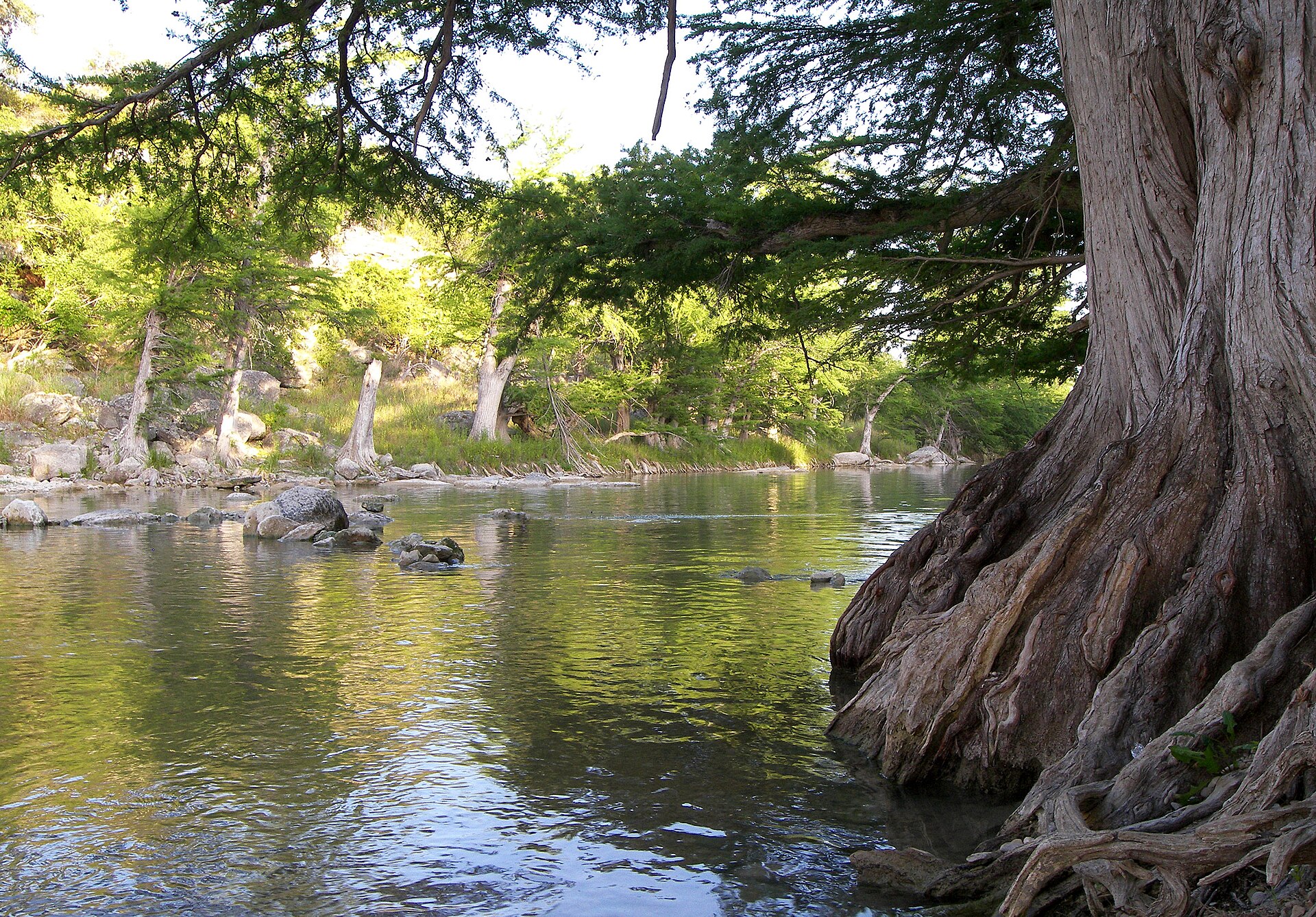
Why does the Hill Country have so many clear rivers and springs?

Limestone geology allows water to move through fractures, caves and aquifers, feeding springs and clear streams where groundwater reaches the surface.

Why are there mountains in far West Texas?

Far West Texas lies within a much more tectonically and geologically rugged region than Central or East Texas. Ranges such as the Guadalupe, Davis and Chisos rise from desert basins and plateaus.

Why does Texas have both forests and desert?

Texas spans a huge east-west moisture gradient and major changes in elevation, soils and geology. That combination supports pine forests, prairies, oak-juniper country, brushlands, mountains and true desert within one state.

Why is South Texas called brush country?

Large parts of South Texas support dense thornscrub and brush adapted to heat, drought and variable rainfall, creating a landscape very different from the Hill Country or East Texas forests.

What is the Piney Woods of Texas?

The Piney Woods is the forested East Texas region characterized by pines, hardwoods, higher rainfall, wetlands and ecosystems that connect more closely with the broader southeastern United States.

What is the Edwards Plateau?

The Edwards Plateau is a broad limestone upland across Central and West-Central Texas. Much of what people call the Hill Country occupies its eastern and southern portions.

Why do Texas landscapes change so dramatically on a road trip?

Texas is large enough to cross major rainfall, elevation, soil and ecological boundaries in a single trip. Driving across the state can move you from forest to prairie, limestone hills, desert basins or Gulf Coast flatlands.

Texas Explained

Weather & nature

10 common questions with direct answers and deeper TexasDefined reading where it adds value.

Why is Texas weather so changeable?

Texas sits where Gulf moisture, dry continental air, cold fronts, plains weather and subtropical heat frequently collide. The state's size also means weather systems affect regions very differently at the same time.

Why does North Texas get severe thunderstorms and tornadoes?

North and North-Central Texas often lie near boundaries where warm moist Gulf air meets drier or colder air, creating conditions that can support strong spring thunderstorms and tornadoes.

Why is hail such a problem in parts of Texas?

Strong thunderstorms over the Plains and North Texas can develop powerful updrafts that keep ice aloft long enough to grow into damaging hailstones.

Why does Houston flood so easily?

Houston combines flat terrain, intense Gulf Coast rainfall, bayous, extensive development and drainage constraints. Flood risk varies widely by location, but the regional ingredients make heavy-rain events especially important.

Why is the Texas Gulf Coast so humid?

Warm Gulf of Mexico waters supply abundant moisture to coastal air. High temperatures then make that moisture especially noticeable for much of the year.

Why are Texas summers so hot?

Much of Texas experiences long periods of strong sun, warm air masses and persistent summer high pressure. Inland areas can become extremely hot, while coastal areas add high humidity.

Why can Texas get both hurricanes and ice storms?

The state stretches from the subtropical Gulf Coast far into the southern Plains. That range exposes Texas to tropical systems in warm seasons and occasional Arctic air intrusions in winter.

Why are so many Texas lakes reservoirs?

Texas has relatively few large natural inland lakes, so reservoirs were built to store water, support cities and agriculture, manage floods and provide dependable surface-water supplies.

Texas lakes and reservoirs explained →

What are the major rivers of Texas?

Major Texas river systems include the Rio Grande, Pecos, Brazos, Colorado, Guadalupe, Nueces, San Antonio, Trinity, Sabine, Neches, Red and Canadian, among others.

Major Texas rivers explained →

Why do Texas rivers look so different from one region to another?

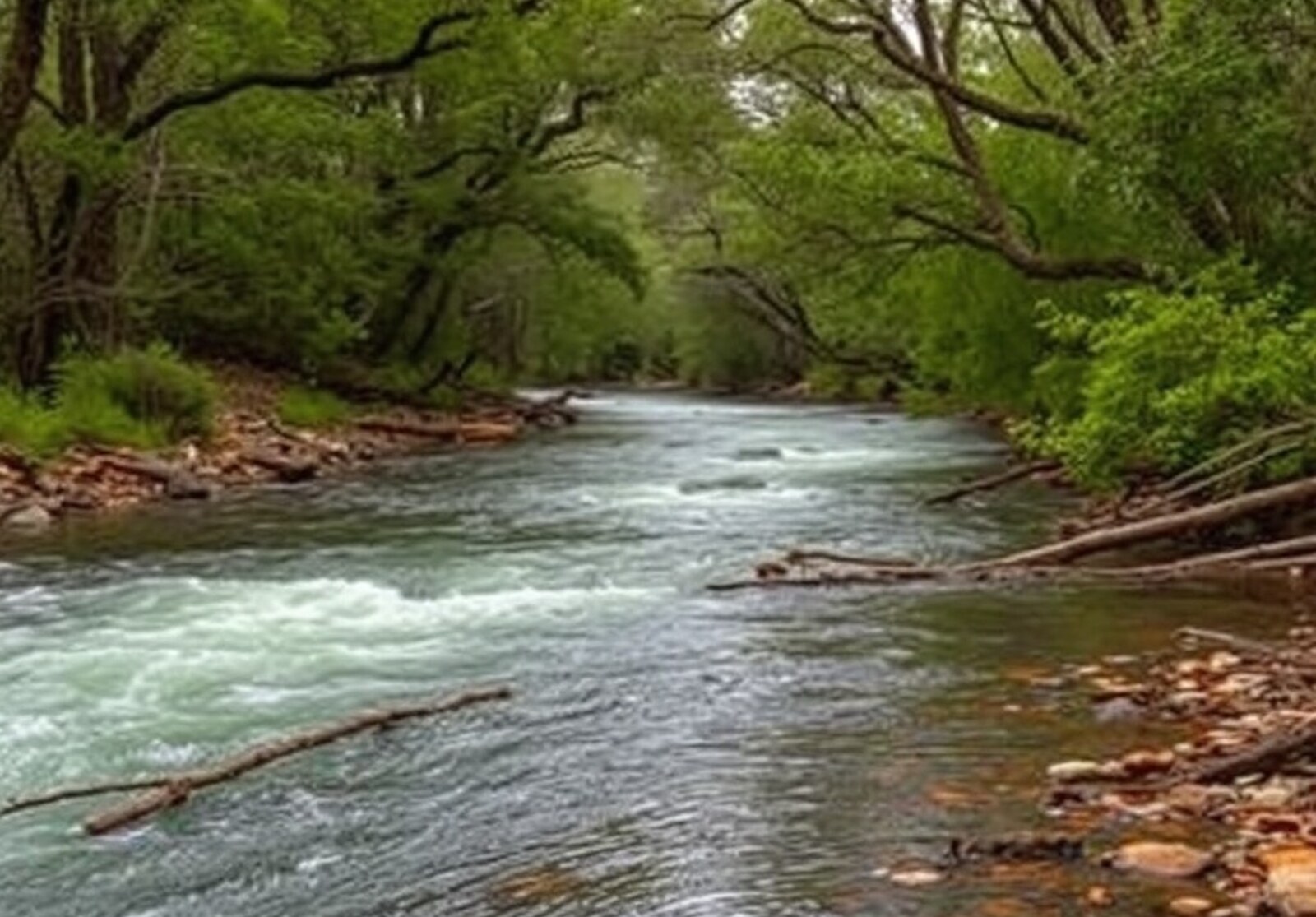
River character changes with rainfall, geology, soils, aquifers and vegetation. A spring-fed Hill Country river behaves very differently from a muddy prairie river or an arid West Texas stream.

Texas Explained

History, identity & symbols

12 common questions with direct answers and deeper TexasDefined reading where it adds value.

Why are Texas flags flown the way they are?

Texas flag display follows state guidance and, when displayed with the U.S. flag, federal flag rules. The Texas flag does not outrank the U.S. flag, and position depends on whether flags share a staff, stand side by side or are displayed vertically.

Texas flag etiquette →

Can the Texas flag fly at the same height as the U.S. flag?

When state and U.S. flags are displayed on separate staffs, they may be the same height, but the U.S. flag receives the position of honor. The common claim that Texas has a unique right to equal height is a myth.

Texas flag display rules →

What do the colors on the Texas flag mean?

Texas law assigns blue to loyalty, white to purity and red to bravery. The single star represents Texas as the Lone Star State.

Texas flag guide →

Why is Texas called the Lone Star State?

The lone star became a symbol of the Republic of Texas and later the state, representing its independent political identity during the nineteenth century.

Why does Texas have such a strong state identity?

Texas combines a former-republic history with geographic scale, regional diversity, borderland history, distinctive industries and powerful cultural symbols. Those layers reinforce a state identity that is unusually visible in everyday life.

Was Texas really an independent country?

Yes. The Republic of Texas existed as an independent nation from 1836 until annexation by the United States in 1845.

Why is the Alamo important to Texas identity?

The 1836 Battle of the Alamo became one of the central memory symbols of the Texas Revolution. Its historical meaning is more complex than the slogan built around it, but its cultural importance remains enormous.

Why is San Jacinto important in Texas history?

The Battle of San Jacinto in April 1836 was the decisive military victory that secured Texas independence from Mexico after the revolutionary campaign.

Why are there six flags associated with Texas?

The phrase Six Flags over Texas refers to the six national governments commonly taught as having exercised sovereignty over parts of the region: Spain, France, Mexico, the Republic of Texas, the Confederate States and the United States.

Why are cattle drives such a big part of Texas history?

After the Civil War, Texas cattle were driven north to railheads where they could reach larger markets. The drives helped build the cowboy image, but they were only one phase of the state's much longer ranching history.

Why are German and Czech towns part of Texas history?

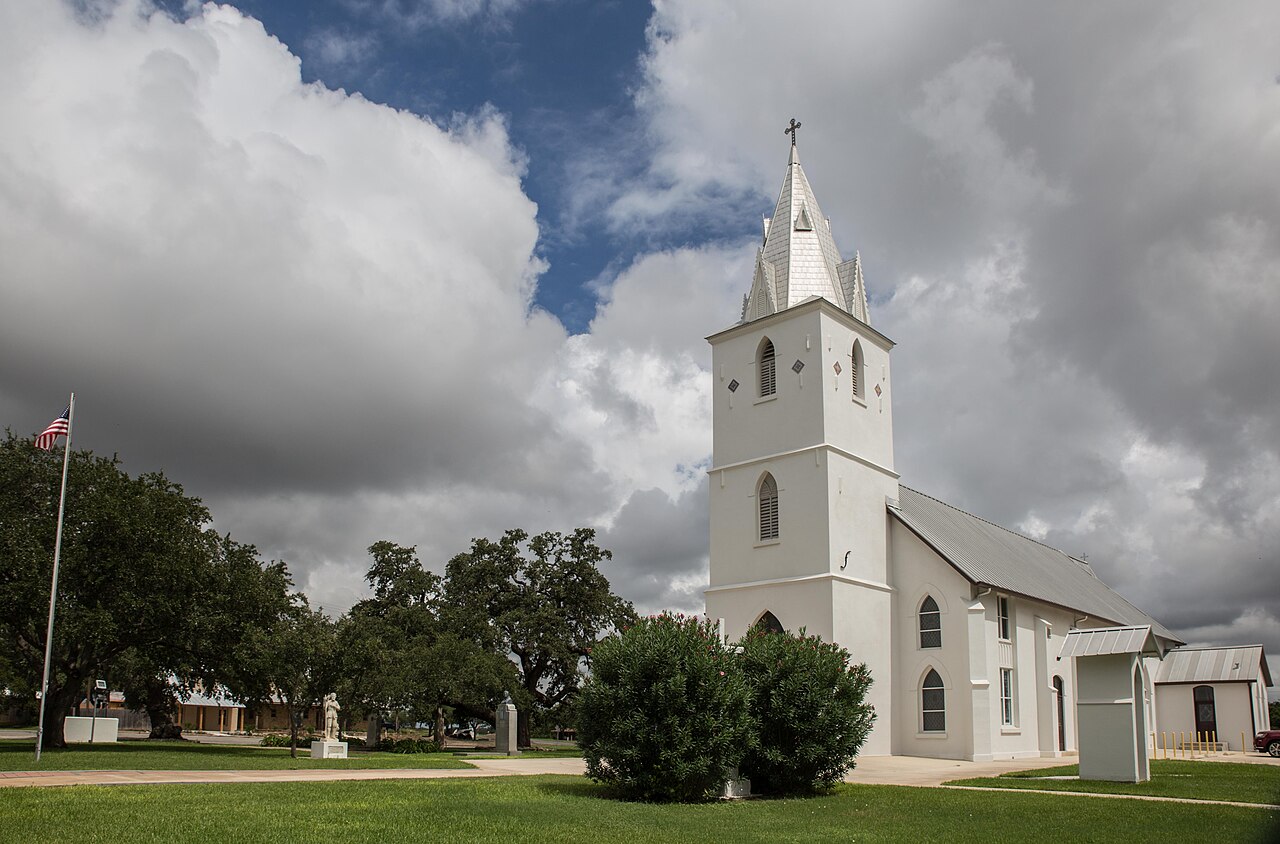
Nineteenth-century German and Czech immigration created lasting communities across Central Texas, influencing language, architecture, farming, churches, music, sausage, bakeries, festivals and town identities.

Why do so many Texas towns have names from other countries or older languages?

Texas place names reflect Spanish and Indigenous roots, Mexican history, European immigration, railroad development, family names and booster-era borrowing from distant places.

Texas Explained

Homes, land & utilities

10 common questions with direct answers and deeper TexasDefined reading where it adds value.

Why do many Texas homes have slab foundations?

Slab-on-grade construction is common because it fits many warm-climate building practices and suburban development patterns. Soil conditions still matter greatly, especially in areas with expansive clay.

Why do Texas foundations move?

Expansive clay soils can swell when wet and shrink during drought, creating seasonal movement under homes. Drainage, trees, plumbing leaks and construction details can all affect how a particular foundation behaves.

Why are fences so common around Texas suburban homes?

Privacy fences became standard in many large Texas subdivisions because homes are often built on relatively compact lots with backyards designed as private outdoor space.

Why do some Texas houses have no basements?

Basements are less common because of warm-climate construction traditions, soil conditions, groundwater, cost and the fact that many suburban homes can achieve needed space above ground.

Why do some Texas neighborhoods have MUD signs or MUD taxes?

Fast-growing areas outside city utility systems often use Municipal Utility Districts to finance water, wastewater and related infrastructure needed for new development.

MUD taxes explained →

Why do some Texas homes use septic systems?

Homes outside centralized sewer service often rely on on-site wastewater systems. Rural lot size, soil, system design and local regulation determine what type of system is appropriate.

Why do rural Texas properties have private wells?

Outside municipal utility networks, groundwater wells can provide household, livestock or irrigation water. Well depth, aquifer conditions, water quality and local groundwater rules vary dramatically by region.

What should buyers know about buying land in Texas?

A Texas land purchase can involve access, surveys, easements, mineral rights, water, wells, septic feasibility, flood risk, agricultural valuation, utilities, deed restrictions and county rules. Due diligence should match the tract and region.

Buying land in Texas guide →

Why do Texas homes need different maintenance in different regions?

Climate, soils, wind, hail, humidity, salt air, wildfire exposure, water quality and pests vary greatly across Texas. Home-maintenance priorities therefore change by region.

Why can electricity shopping be confusing in Texas?

Parts of Texas have a competitive retail electricity market where customers choose among plans with different pricing structures, while other areas are served by municipal utilities or cooperatives. The system depends on where you live.

Texas Explained

Towns, travel & sense of place

10 common questions with direct answers and deeper TexasDefined reading where it adds value.

Why do so many Texas towns have a courthouse in the middle?

County-seat planning often placed the courthouse at the civic center, with commercial lots arranged around it. The pattern created the classic Texas courthouse square.

Texas courthouse squares →

Why do Texas small towns often have a Main Street near the courthouse?

Government, commerce, banks, hotels, rail access and local services historically clustered near one another, so courthouse squares and Main Streets often formed a connected downtown core.

Why do some Texas towns have grain elevators next to downtown?

Agricultural towns often developed around rail lines and crop shipping, so grain storage and rail infrastructure were built close to the original commercial district.

Why did railroads shape so many Texas towns?

Rail lines changed which communities could move people, cattle, crops, timber and goods efficiently. Some towns grew rapidly after gaining a rail connection, while others declined when bypassed.

How railroads shaped Texas towns →

Why do some Texas towns have two downtowns or an old town and a newer commercial strip?

Historic downtowns formed around courthouses or rail depots, while later automobile growth shifted retail toward highways, bypasses and suburban commercial corridors.

Why are water towers such strong Texas town landmarks?

Water towers combine essential infrastructure with visibility. Town names painted high above flat landscapes turned them into practical markers of place and local identity.

Why are town squares still important even after shopping moved to highways?

Courthouse squares often retain government offices, historic architecture, events, restaurants and civic identity even when much of the everyday retail economy shifts outward.

Why are Texas road trips so different from road trips in smaller states?

Distances are large enough that routes cross distinct climates, cultures and landscapes. Fuel, weather, lodging and drive time matter more, but the same trip can include dramatically different regions.

Why do Texas towns often identify strongly with a local industry?

Agriculture, oil, timber, ports, railroads, military bases, universities and tourism have each shaped particular communities. Local festivals, museums and branding often preserve those economic identities.

Why do Texas towns look so different from one another?

Settlement history, climate, local materials, transportation, dominant industries and immigrant communities all influenced town form. A Piney Woods timber town, a Hill Country German town and a West Texas railroad town developed under very different conditions.

Keep building the map

A short answer is the floor, not the ceiling.

As a subject earns deeper treatment, Texas Defined can publish a sourced in-depth guide and point this answer there without creating duplicate or thin pages.

Land and water

The natural systems underneath Texas

Rivers, reservoirs, plants, trees and wildlife explain why different parts of Texas look, feel and function so differently.

Guide 1 of 10

Guide 2 of 10

Guide 5 of 10

Built Texas

The systems Texans created on top of the landscape

Road designations, courthouse squares, regional architecture and rural land ownership reveal how settlement, government and growth shaped everyday Texas.

Guide 3 of 10

Guide 7 of 10

Guide 8 of 10

People and place

Why Texas became several cultures inside one state

Migration and settlement patterns created regional identities that still show up in language, food, architecture, towns and traditions.

Go deeper

Twenty-five focused explainers behind the core guides

The first two layers break broad pillars into systems such as basins, aquifers, prairies, downtowns and railroads. River and reservoir profiles apply that framework to water, while the road-system layer decodes RM routes, loops, spurs, business routes, park roads and highway names.

Related primers

These sit outside the core 10-guide series. They connect naturally to Texas Explained, but they are not part of the 35-article core-and-depth collection.