texas history
Texas German Belt: Towns, Churches, History and Heritage Routes
Trace German-Texan immigration from New Braunfels and Fredericksburg to Comfort, Boerne and smaller communities, with historical context, churches, food traditions and a responsible heritage-drive itinerary.
The 'Texas German Belt' is a useful name for an overlapping cultural landscape, not a statutory region with a single official boundary. German-speaking migration profoundly shaped communities in Central Texas and parts of the Hill Country, especially during the nineteenth century. Yet these places were already Indigenous landscapes, and Spanish, Mexican, Tejano, African American, Czech, Wendish and later migrants also shaped the region. A heritage itinerary should acknowledge those layers rather than make one ethnic tradition stand for the whole state.
Why German communities formed here
Organized settlement associated with the Adelsverein, a German colonization society, helped establish New Braunfels in 1845 and Fredericksburg in 1846. According to the Texas State Historical Association, Prince Carl of Solms-Braunfels and later John O. Meusebach were important figures in this history. Their projects met logistical difficulties and unfolded amid broader struggles over land, transportation and relationships with Native peoples. The early settlements were not isolated folklore villages; they were part of a real and often difficult immigration story.
Ports, roads and waterways mattered. German newcomers arrived via the Texas coast and moved inland to communities with land, springs, markets and connections to other settlements. The settlement area expanded and diversified over time, so the German-Texan heritage map does not reduce neatly to a straight line between two tourism towns.
New Braunfels: a settlement story around Comal Springs
New Braunfels is an essential starting point because its founding connects the Adelsverein story with the geography of Comal Springs and the Guadalupe River. Modern visitors can explore an active city with historic neighborhoods, museums, river recreation and German-influenced cultural events. The experience is more informative when paired with what preceded German settlement, especially the Indigenous and Tejano histories of the area, and with the city's later industrial and suburban growth.
Fredericksburg and the Hill Country interior
Fredericksburg provides another powerful anchor through its historic streetscape, museums, churches, architectural traditions and role in nineteenth-century settlement. Its heritage is visible in buildings, place names, family traditions and food, but many businesses on today's Main Street cater to modern tourists. Separate interpretive history from themed retail: a historic church or museum and a commercial gift shop answer different questions about the region.
Stonewall, Mason, Castell and neighboring communities expand the story beyond the busiest corridor. Some preserve distinctive family, church and rural traditions that disappear when the trip focuses only on winery signs. Confirm that any specific historic building is open to visitors; roadside visibility is not permission to enter private land.
Comfort, Boerne and the smaller-town network
Comfort and Boerne form useful stops on an extended itinerary, with historic districts and community institutions that speak to German-Texan settlement and later change. Some of the most revealing places are not marquee attractions but cemeteries, public buildings, churches and town layouts. Read local interpretive materials before arriving and follow property and cemetery rules. Old buildings may have changed owners, functions or access over time.
Not all Central European Texas is German Texas
Texas has related but distinct Czech, Polish, Wendish and Alsatian communities. They should not be absorbed into a single 'German Belt' label merely because a church has European architecture or a town sells sausage. For instance, the painted churches of Central and South Central Texas represent multiple communities and religious histories; a Wendish site such as Serbin has its own settlement story. Castroville's Alsatian heritage also deserves its own terms. Precision makes the travel guide more interesting.
What to look for along a heritage drive
- Historic districts: trace buildings and street patterns using local preservation or National Register information.
- Churches and cemeteries: use public visiting rules and respect active worship and burials.
- Museums and archives: prioritize exhibits with provenance, migration records and historical interpretation.
- Food and music: compare living traditions with later tourism-era reinventions rather than claiming one unchanging style.
- Architecture: examine locally available stone, building techniques and evidence of later alterations.
- Land and Native history: place immigrant settlement within the broader story of pre-existing communities and treaties.
A practical two-part route
For a first visit, pair New Braunfels with a nearby historic museum or district in one day, then devote a separate day to Fredericksburg and Stonewall. For a longer trip, build a Boerne–Comfort branch or a quieter rural-history branch around Mason. These are suggested travel clusters rather than a claim that all communities are connected by a designated scenic byway. Distances, road closures and visitor hours should be checked anew for the exact travel date.
The core evidence for this story comes from historical scholarship, local museums, church records and preservation agencies. Texas State Historical Association entries are a useful starting point for dates and settlement organizations; TexasDefined's region and Painted Churches pages provide linked destinations. History stays more accurate when the route explains who built a place, who was already there, whose record survives and what a traveler can actually see today.
A documented timeline: organized migration and its limits
- 1842: German nobles provisionally organized the society later called the Adelsverein, initially with aspirations of planned emigration.
- 1844: immigrants began arriving at the Texas coastal port associated with the society; land contracts and adequate preparation remained serious obstacles.
- 1845: New Braunfels was established near Comal Springs after the society acquired land there.
- 1846: Fredericksburg was established by John O. Meusebach near the Pedernales River.
- 1847: Castell and several other settlements were established within the Fisher–Miller grant area; the organization was already struggling financially.
- Later nineteenth century: German-speaking immigrants and their descendants founded institutions far beyond the two famous towns, with distinct religious, political and local histories.
TSHA's Adelsverein entry documents these dates, the failed land arrangements, social aspirations, financial collapse and criticisms from immigrants who experienced hardship. It is inaccurate to present the organization as a simple uninterrupted success. The settlement story includes coastal arrival, disease and deprivation, Indigenous relationships, speculative land schemes and later community endurance.
New Braunfels: read the historic district, not only the festival
The Texas Historical Commission announced the Central New Braunfels Historic District's National Register listing in February 2026. The district reflects layers of buildings including commercial blocks, fachwerk-influenced structures, Victorian-era houses, bungalows and later styles. That complexity is valuable: it reveals a living city changing through generations, not a frozen 1845 village.
Plan a New Braunfels day around the historic district and one relevant interpretive museum, with river recreation as an optional separate component. Check local parking, museum hours and current river advisories. The Comal and Guadalupe rivers are not interchangeable, and water access is not automatically included with a historic walking tour.
Fredericksburg: civic buildings, museums and the wider county
Start in the historic core and distinguish protected or historically documented buildings from tourism-themed storefronts. Pair downtown with a museum whose exhibits explain settlement and with a county excursion toward Stonewall, rather than trying to read a century and a half of history from signs on Main Street. Fredericksburg also has Pacific War history and later agricultural layers; these are essential to the town's modern identity.
Boerne and Comfort: different branches of the settlement story
Boerne and Comfort can be connected on a western Hill Country heritage trip, but their histories are not identical. Their architecture, local organizations, politics and community landscapes deserve site-specific sources. Confirm whether any historic interior is open before planning it as a stop; a preserved facade alone may be the accessible portion of a private building.
Castell, Mason and rural German Texas
An extended itinerary through Llano Basin communities and Mason country can explore settlement beyond major tourist towns. A visitor should use a specific county historical commission or museum to choose open public sites before driving. Small rural churches, cemeteries, privately owned structures and even old school sites may have restricted access. Heritage travel should never require trespassing.
Where the 'German Belt' label becomes inaccurate
Many Central Texas settlements are also shaped by Czech, Polish, Wendish and Alsatian immigration. Serbin's Wendish community, for example, is a distinct history. Castroville is often associated with Alsatian heritage and cannot responsibly be folded into an undifferentiated 'German Texas' tour. The painted churches of Texas encompass more than one national-origin group, and a painted interior does not by itself identify a parish's founding community.
Before the settlers: whose territory was it?
The Hill Country was not uninhabited land waiting for immigrants. Indigenous peoples maintained relationships with these landscapes long before German colonization. The Meusebach–Comanche agreement of 1847 is part of the frontier story but should not be summarized as granting permanent, uncontested ownership or ending conflict everywhere. Use dedicated Indigenous-history scholarship and locally interpreted exhibits when discussing land claims, displacement and treaties.
German language, religion, food and music are living histories
German-Texan traditions appear in social halls, church records, newspapers, food, songs, dialect and neighborhood identity. But not every preserved custom has been unchanged since the 1840s. Festivals and commercial tourism often reinvent older traditions; describing the difference between documented heritage and modern revival is more respectful than claiming timeless authenticity. Different congregations and German-speaking communities also differed religiously and politically.
Two practical heritage itineraries
- One-day introductory history: New Braunfels historic district and museum; stop for food; add river or architecture context only if time allows.
- Two-day foundation: dedicate one full day to New Braunfels and a second to Fredericksburg, with one museum and one historic walking area each.
- Extended three-day itinerary: add Boerne and Comfort as a distinct third-day branch; keep a flexible travel day for small museums and changing access.
- Rural research extension: choose Castell, Mason or another documented settlement with a current open public interpretive site before adding a long detour.
- Accessible planning: prefer verified public historic districts and staffed museums, and check ramps, entrances, restroom access and surfaces in advance.
What counts as evidence on this heritage trail
Historical claims should be distinguished by their type. Settlement chronology belongs to archival and peer-reviewed history such as TSHA; National Register listings and physical site interpretations belong to THC and NPS materials; opening hours belong to the current operator. A state historical marker is a useful pointer but not always the final word on contested events. This guide does not present anecdote, a tourism tagline or architecture alone as proof of ethnic identity.
Primary sources and reader citation
Principal starting sources: Louis E. Brister's TSHA Handbook of Texas entry on the Adelsverein; Texas Historical Commission's February 2026 New Braunfels National Register announcement; Texas Historical Commission German heritage travel material; relevant National Register property records. Editorial review date: October 12, 2026. For citation use the stable TexasDefined URL and date, and follow the linked primary source for a claim that requires exact dates or property designations.

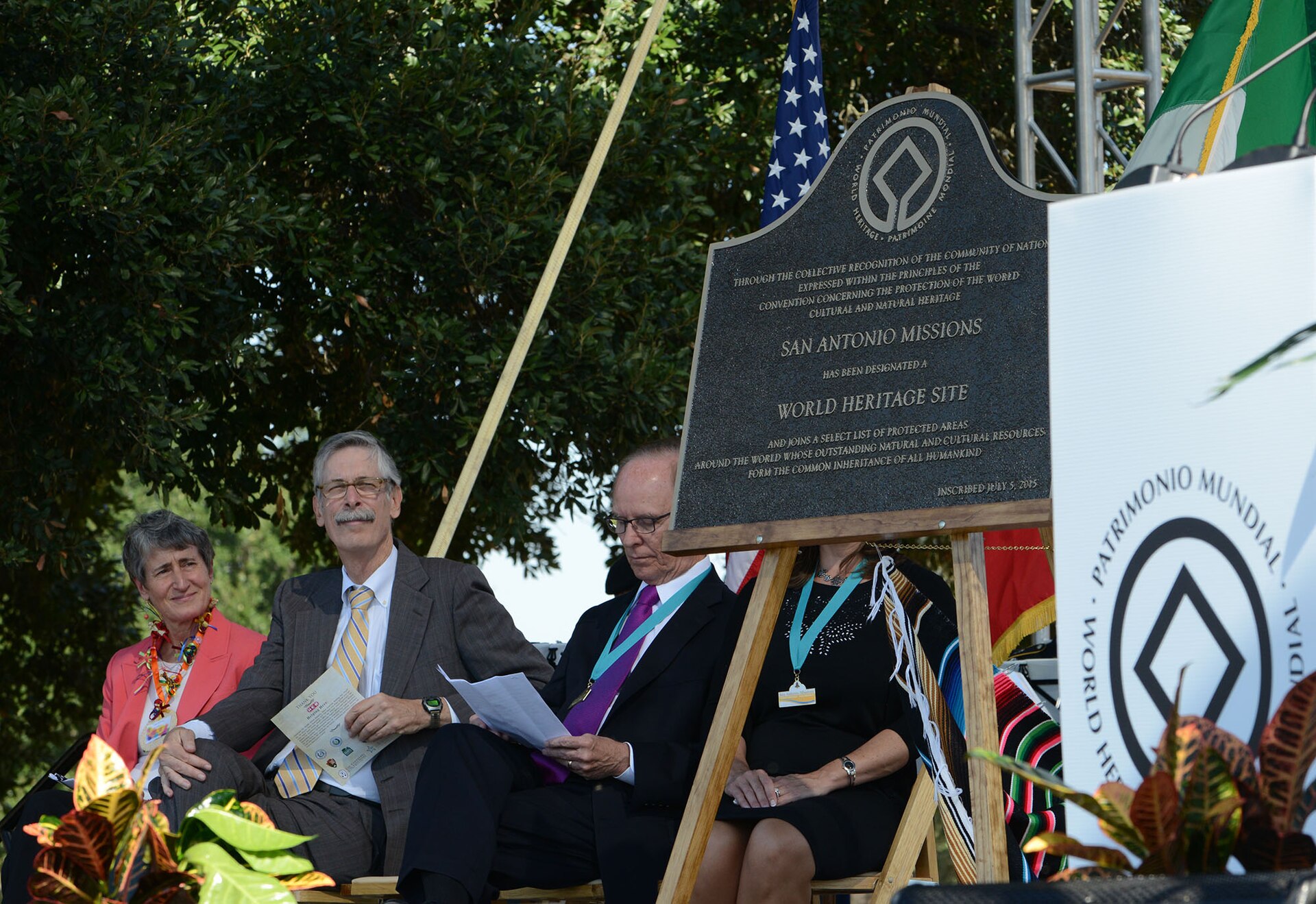
Image credit: Michael Barera · CC BY-SA 4.0 · Wikimedia Commons · Image license and reuse terms · Responsive display may crop or resize the photograph
Primary source: Texas State Historical Association — Adelsverein ↗
Sources and further reading
From the magazine
More stories to read next
Then & Now
El Camino Real de los Tejas in Texas: Historic Trail, Sites and Visiting Guide
October 17, 2026 · About 4 minutes
Then & Now
Butterfield Overland National Historic Trail in Texas: Where to Visit and What Survives
October 17, 2026 · About 3 minutes