
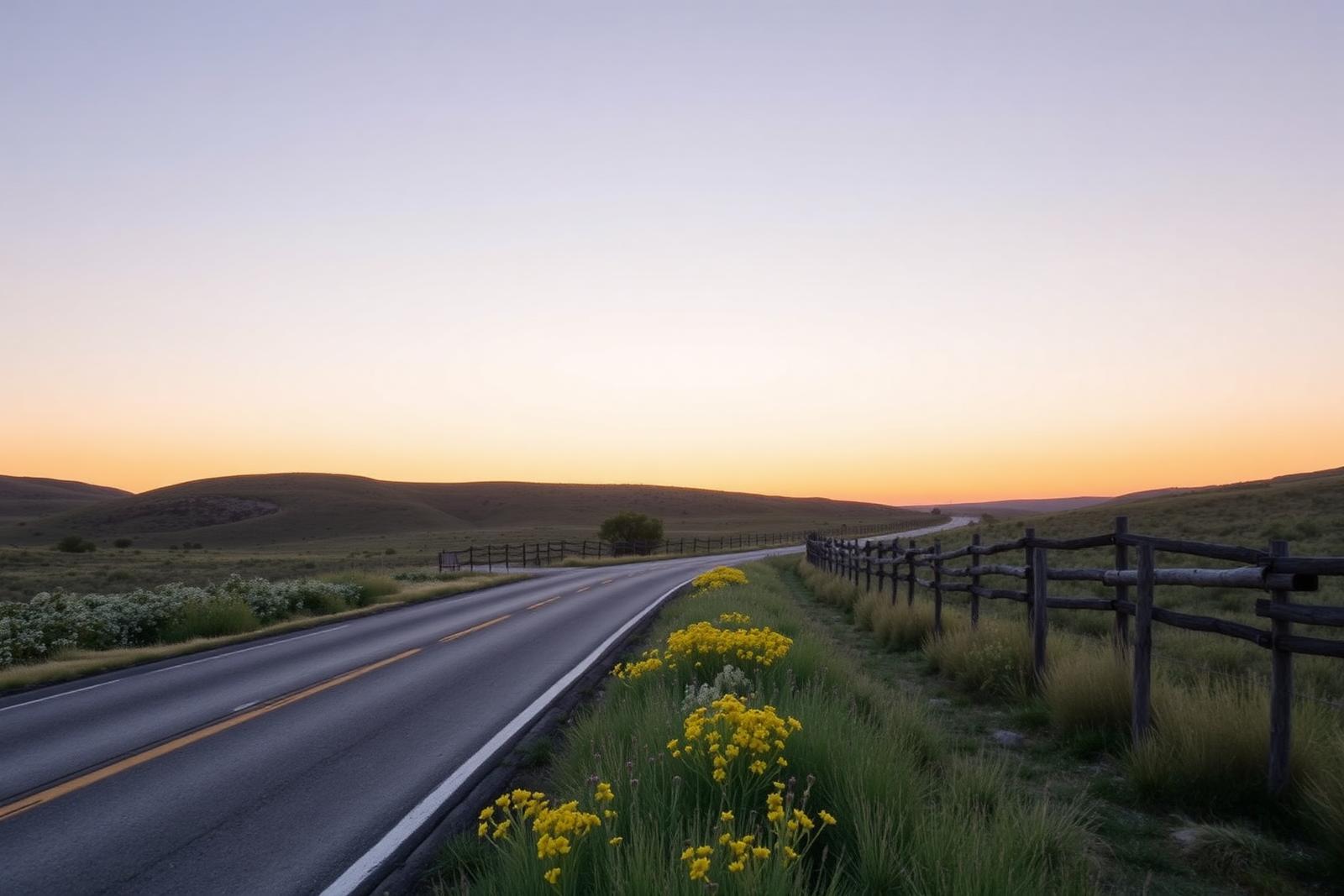
guides
How to Travel Texas in Summer Without Fighting the Heat
A time-of-day strategy for springs, rivers, caves, museums, shaded towns and night activities, with National Weather Service heat guidance built into the itinerary.
Texas summer travel works better when heat is treated as a scheduling constraint rather than an obstacle to overpower. The state still offers rivers, springs, beaches, caves, museums, food cities, baseball, evening concerts and shaded historic districts, but the same itinerary that feels comfortable in March can become unsafe or exhausting in August if strenuous outdoor activity is left for midafternoon.
National Weather Service heat guidance emphasizes hydration, pacing, sun protection and never leaving children or pets in parked vehicles. That advice belongs inside the itinerary, not in a disclaimer at the bottom. A summer travel day should have a cool morning plan, a protected midday plan and a flexible evening rather than one continuous block of outdoor activity.
Use mornings for the activities that cannot be moved indoors
Start exposed hikes near sunrise and choose routes with realistic turnaround times. Canyon floors and desert trails can be significantly hotter than nearby towns or rims, and shade may be limited. Carry more water than a spring itinerary would require, check park alerts and understand whether drinking water is available at the trailhead. If temperatures or heat alerts make the plan inappropriate, use a shorter route or skip it.
Beach mornings follow similar logic. Arrive before surfaces and parking lots reach their hottest point, use shade and sun protection, and move indoors when the day stops being comfortable. On lakes and rivers, early timing can also reduce congestion, but water does not remove heat risk; paddlers and floaters still need hydration, sunscreen and a plan for transportation.
Make water destinations the centerpiece, not an afterthought
Spring-fed swimming areas can be excellent summer anchors where public access and current conditions allow. Reserve required sessions in advance, because many popular sites cap attendance or change access during drought, flooding or water-quality events. A reservation is not permission to ignore posted closures; check the managing authority again before departure.
Rivers require more planning than simply renting a tube. Know the access points, take-out, current flow, weather forecast, rules and transportation arrangement. Afternoon thunderstorms can affect water trips even when the morning begins clear. Lakes need the same attention to storms, boating safety and sun exposure.
Use the hottest hours for things Texas does well indoors
Museums, historic interiors, restaurants, galleries, caves and long lunches turn the middle of the day into useful travel time. A cave is especially effective because the underground environment can be dramatically cooler than the surface, though tours have their own stairs, humidity and reservation requirements. City trips can alternate short neighborhood walks with indoor stops rather than forcing hours on exposed pavement.
Small towns work well when the schedule is built around a café, museum or shaded public building during peak heat. Walk the square in the morning, eat and explore indoors during midafternoon, then return outside toward evening. This produces a better visit than arriving at two o'clock, finding every sidewalk empty and concluding there is nothing to do.
Evenings reopen the outdoors
Baseball games, night markets, outdoor concerts, bat viewing, stargazing and evening river walks can extend a travel day without adding peak heat. Temperatures may still remain high after sunset, so continue hydration and pacing. In humid regions, the lack of direct sun does not guarantee comfortable conditions.
Camping also requires a summer reality check. Overnight lows can remain warm enough to make tent sleeping difficult, and some sites have little shade. Higher-elevation or tree-covered destinations may be better choices, but check current conditions rather than assuming a region is cool. A cabin or hotel can be a strategic heat-management decision, not a failure to camp properly.
Know the signs that the itinerary needs to stop
Heat illness can escalate quickly. Learn the current National Weather Service and medical guidance for warning signs before setting out, and seek appropriate help when symptoms appear. Do not turn a prepaid reservation or long drive into pressure to finish an activity that has become unsafe. The most useful summer skill is changing plans early.
A good Texas summer trip therefore has options. Put exposed activity first, water and shade into the plan, reserve a strong indoor midday block, return outside later and keep one fully indoor alternative for extreme conditions. Summer becomes much easier when the clock is treated as part of the map.
Build a Texas summer day around the temperature curve
The most useful Texas summer itinerary is not a normal itinerary with extra water added. It changes the order of the day. Put exposed walking, hiking, paddling setup and other strenuous outdoor activity near sunrise. Use late morning for a transition stop, spend the hottest hours in museums, restaurants, caves or other shaded and indoor spaces, then return outdoors in the evening. That rhythm turns heat management into trip design instead of an emergency adjustment after someone is already exhausted.
Texas Parks and Wildlife's current heat-safety guidance makes the reason plain: high temperatures can be dangerous to people and dogs, and park visitors should plan, hydrate, dress for heat, use the buddy system and recognize heat illness. In June 2026, TPWD reported 169 heat-related incidents in Texas state parks during 2025, including six involving pets. That is a strong argument for treating timing, water and route length as core planning variables rather than optional comfort upgrades.
Choose summer destinations that naturally reduce exposure
Spring-fed pools, rivers, lakes, Gulf beaches, caverns and heavily shaded forest destinations can work well in summer because the main attraction helps offset the heat. Even then, access rules and conditions matter. Swimming areas can close, rivers can change after rain, popular parks can reach capacity and Gulf weather can change quickly. Check the managing authority before a long drive rather than assuming last year's access or water conditions still apply.
Cities also become easier when the itinerary is built in short outdoor segments. Instead of crossing an entire downtown on foot at 3 p.m., pair one walkable district with a museum, long lunch, market, historic interior or hotel break. Resume outdoor sightseeing closer to sunset. Baseball, night markets, evening concerts and stargazing can shift memorable activities into the cooler half of the day.
Heat safety changes with the landscape
Desert, canyon and exposed-rock environments can be less forgiving than a shaded city park. TPWD notes that some canyon locations can be hotter than surrounding areas and that certain trails may close during heat advisories. Remote areas add another problem: cell service and water sources cannot be assumed. Carry the water you need, tell someone your route, keep a map available and turn around before fatigue turns a pleasant hike into a rescue problem.
Pets need a separate plan. A dog will often keep following even when pavement or trail surfaces are too hot. TPWD recommends carrying water for pets, checking trail restrictions and considering surface temperature. A summer trip that works for adults may not be appropriate for a dog at the same hour or on the same route.
A practical three-part summer itinerary
Morning: choose the most exposed attraction and start early. Midday: move indoors or underground, eat, recharge and check weather. Evening: return to a riverfront, ballpark, town square, beach, scenic overlook or event after the worst heat has passed. For multi-day trips, alternate high-exposure days with lower-exposure days rather than stacking several long hikes back to back.
That structure is more useful than chasing a mythical 'cool' Texas summer destination. Most of the state will be hot. The winning strategy is to choose activities that fit the season, use the clock intelligently and keep enough flexibility to shorten an outdoor segment when conditions are worse than expected.
Primary source: Texas Parks and Wildlife Department — Heat Safety ↗
Plan Your Visit
Places connected to this story
Destinations explicitly tied to this article in the Texas Defined guide.
Wimberley
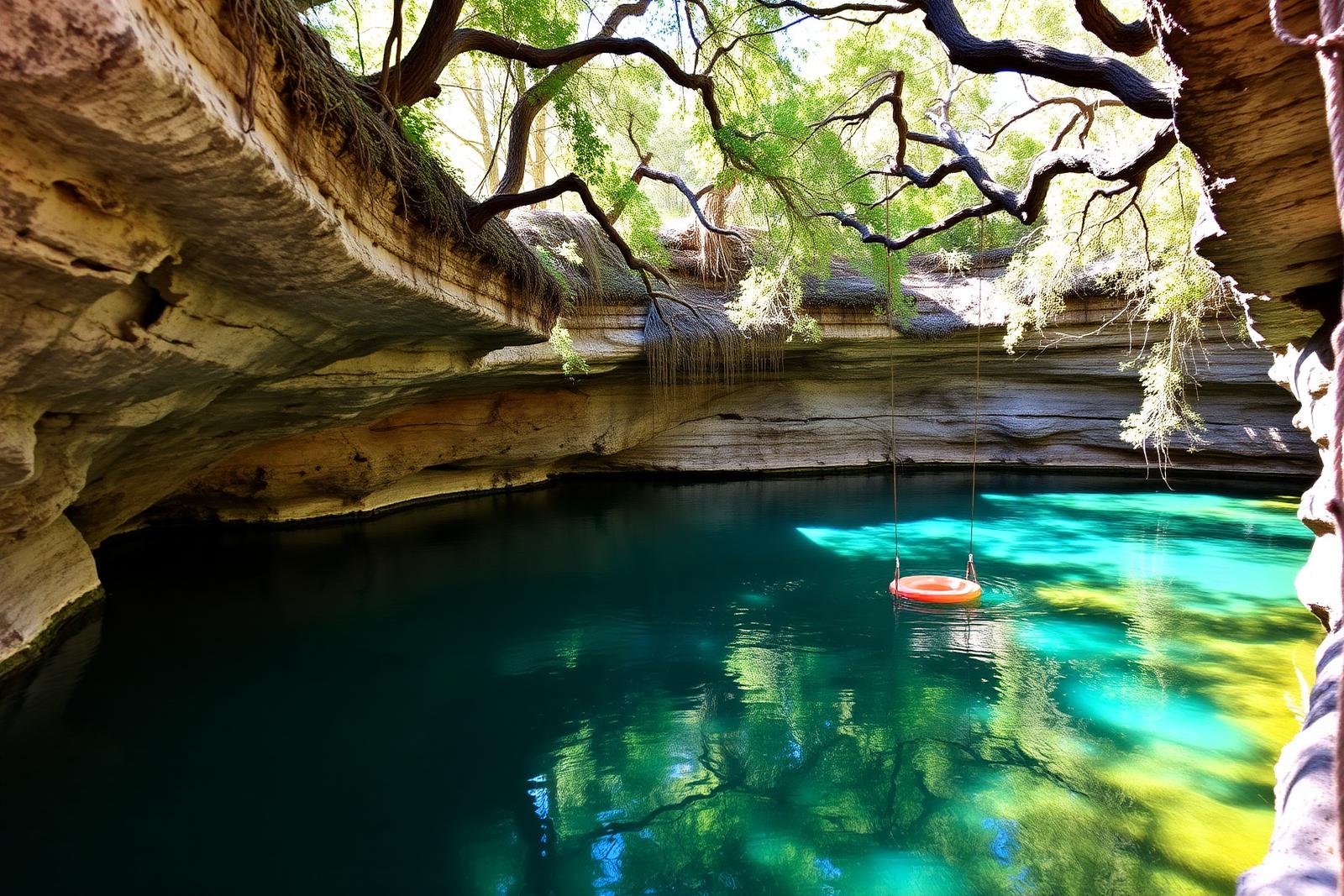
Blue Hole, Wimberley
A spring-fed swimming area on Cypress Creek inside Wimberley's Blue Hole Regional Park, shaded by mature cypress trees and managed through a seasonal reservation system that protects the experience from uncontrolled crowding.
Best season: May through early September for reserved swimming; the surrounding regional park is open year-roundUpdated Aug 2026- Spring-fed Cypress Creek swimming beneath mature cypress trees
- Reservation-controlled seasonal swim sessions
- Shaded lawns and regional-park recreation outside the swim area
Uncertain
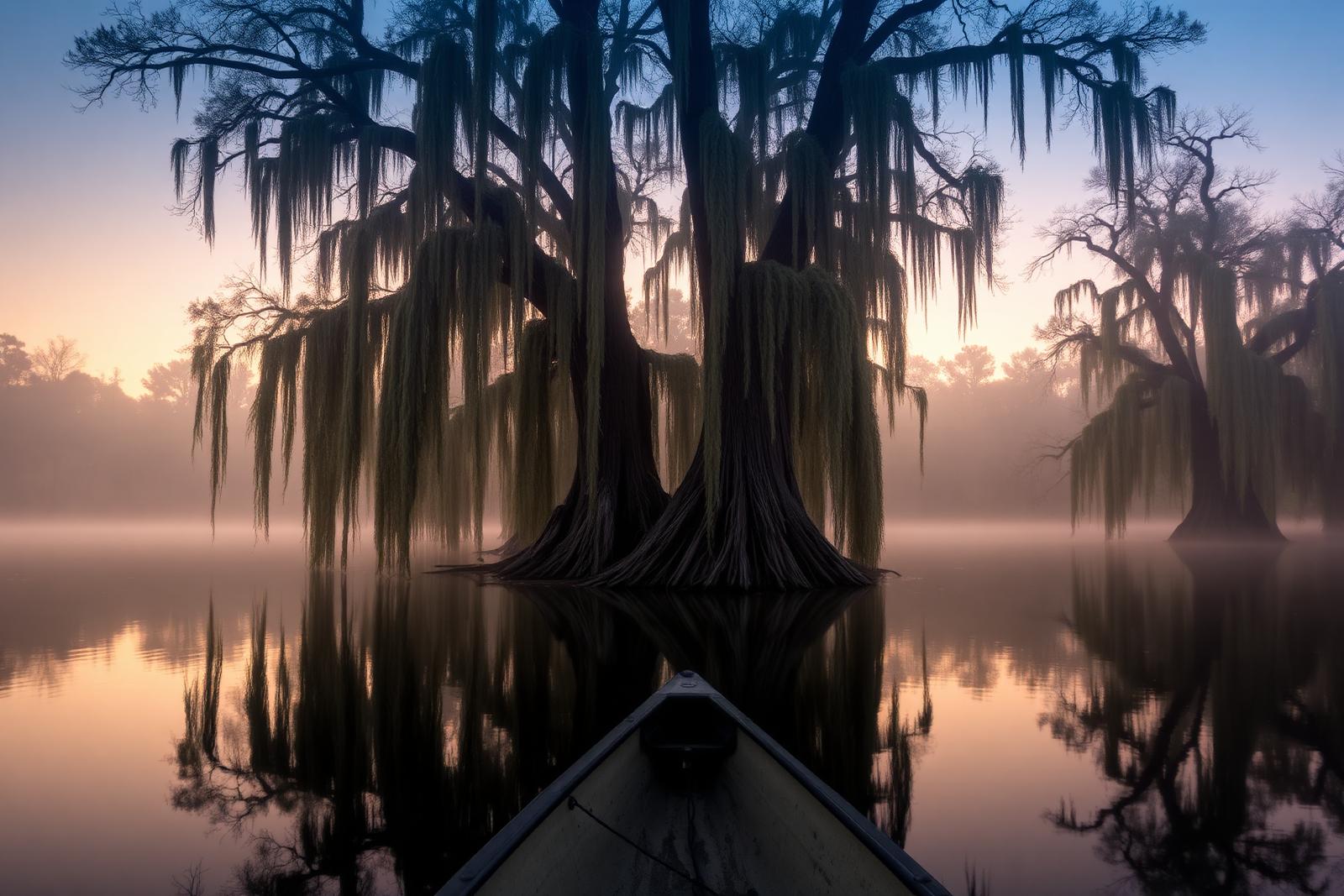
Caddo Lake
A maze of bald-cypress bayous, Spanish moss and dark water on the Texas–Louisiana line, best explored slowly by paddle beneath one of the state's most distinctive forest canopies.
Best season: Fall through spring for paddling and birding; spring brings lush growthUpdated Aug 2026- Bald-cypress swamp
- Marked paddling trails and boat roads
- Birding and wildlife
From the magazine
More stories to read next
The Texas Guidebook
Texas Wine Country: Regions, Vineyards and Planning a Wine Weekend
October 12, 2026 · About 8 minutes
The Texas Guidebook
Newman's Castle in Bellville: The Baker, the Moat and His Family's Legacy
October 11, 2026 · About 15 minutes

