Texas Defined's Homes & Property Desk covers homeownership, property, utilities, weather resilience, maintenance and land stewardship using official agencies, extension services and other primary sources. Its service journalism is practical guidance, not a substitute for licensed legal, insurance, engineering or trade advice.
This is an institutional Texas Defined byline, not a fictional individual. It identifies the editorial desk responsible for the published work. Read the Editorial Policy for centralized sourcing, review, AI-assisted-workflow, independence, and correction standards. These are not repeated on every article.
Editorial archive
Stories from Texas Defined Homes & Property Desk
52 published stories currently carry this desk byline.
A practical employee transfer guide for Texas: relocation benefits, housing, commute, taxes, utilities, vehicle registration, driver licensing and first-month tasks.
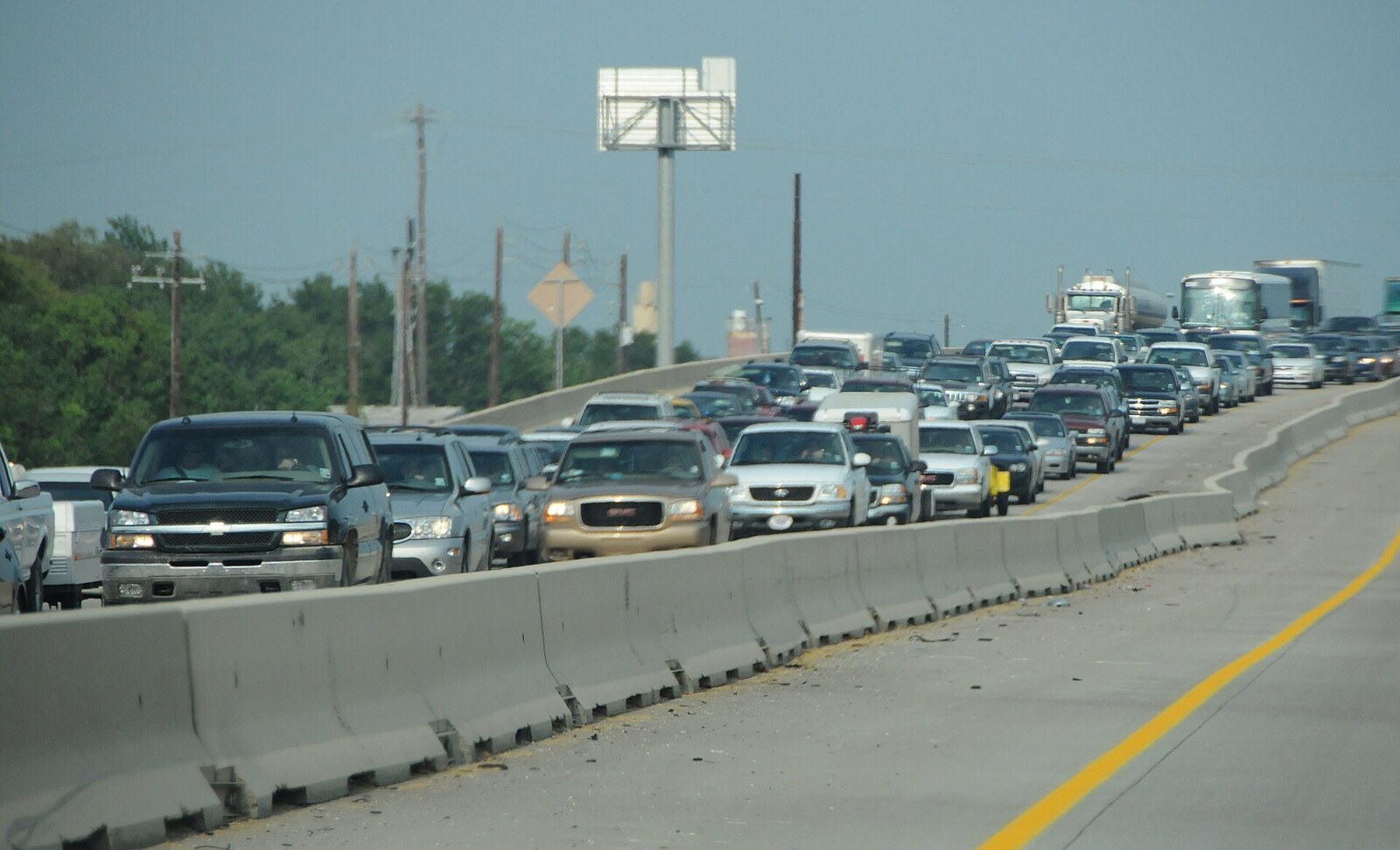
A Dallas-area commuter guide built around the actual workplace, rail and road corridor, toll exposure and household budget instead of a one-size-fits-all suburb ranking.
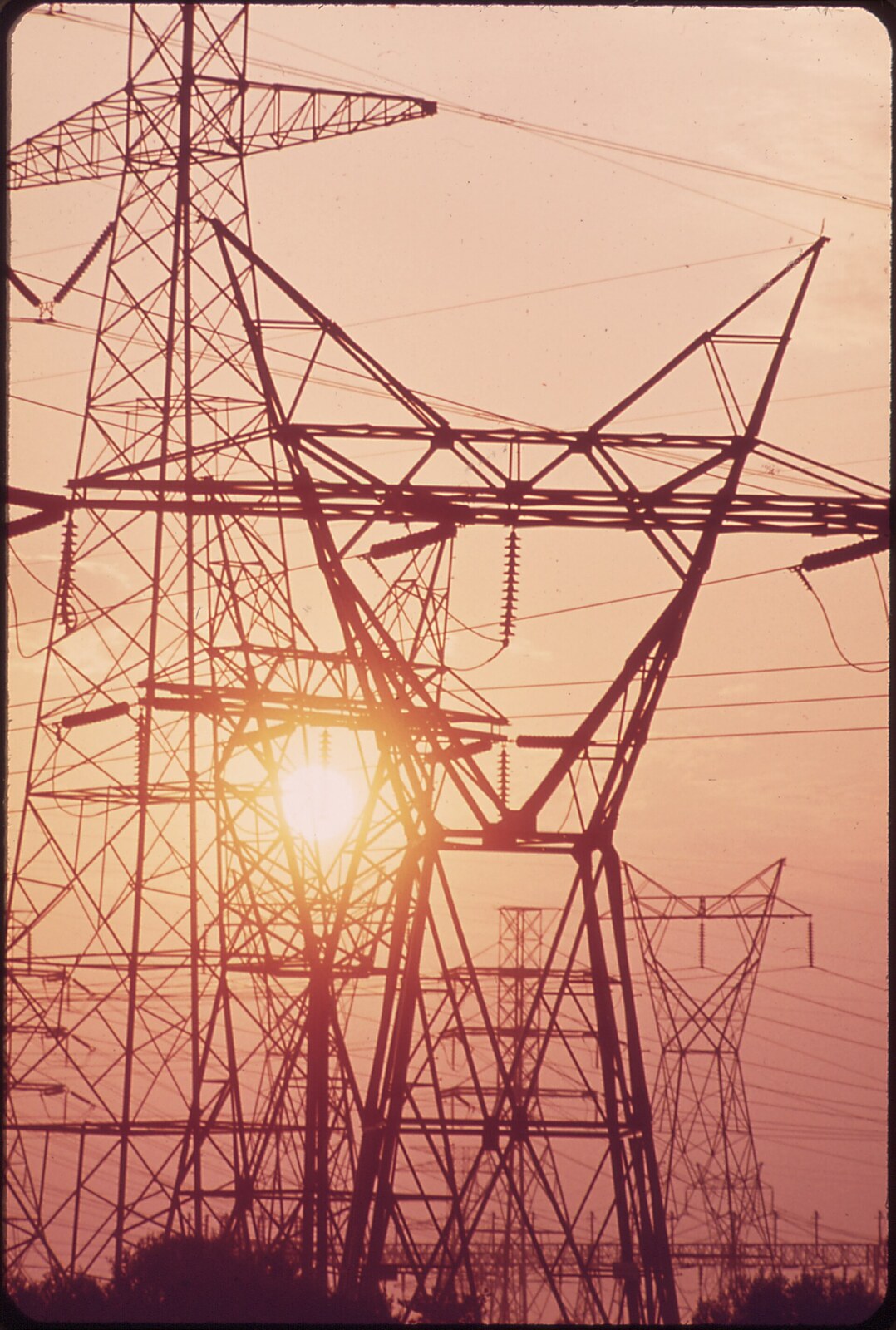
A practical Texas homeowner guide to backup power: sizing essential loads, portable versus standby generators, transfer switches, carbon monoxide, fuel, weather, freeze outages, maintenance, batteries and what to inspect before buying a home with backup power.
A practical Texas homeowner guide to wildfire risk: TxWRAP, ember hardening, home ignition zones, roofs and vents, landscaping, decks and fences, responder access, evacuation, insurance records and what to check before buying rural property.
A practical year-round guide to owning a residential pool in Texas: water chemistry, circulation, filters, variable-speed pumps, evaporation, leaks, storms, freezes, safety, electricity use and what to inspect before buying a house with a pool.
A practical homeowner guide to living with Texas shade trees: storm damage, ice, oak wilt prevention, pruning, drought stress, roots, construction, utilities, insurance records and the warning signs that deserve a certified arborist.
A practical guide to owning, buying and maintaining a Texas home with an on-site sewage facility: permits, conventional and aerobic systems, maintenance contracts, alarms, drainfields, flooding, drought, records and the questions to ask before closing.
A practical Texas homeowner guide to the pests that actually matter: how to recognize the problem, reduce the conditions that attract it, know when DIY prevention is reasonable and when a licensed professional or public-health response makes more sense.
A practical operating manual for owning a house in Texas: storms, freezes, foundations, roofs, electricity, insurance, water, pools, pests, wildlife, school districts, emergency records and the annual maintenance rhythm that ties them together.
Texas and Florida both have warm climates, fast-growing metros and no personal state income tax, but housing risk, insurance, geography, driving and daily routines can produce very different household outcomes.
Taxes, housing, insurance, climate, driving and daily routines can feel radically different between California and Texas. The useful comparison starts with a household budget and a specific metro, not a stereotype.
How to build a Texas landscape around roots, soil, shade, irrigation and regionally appropriate native plants instead of replacing dead spring optimism every September.
Compare Houston, Dallas-Fort Worth, Austin, San Antonio and El Paso by jobs, climate, commuting and daily life, then see how the Hill Country, Rio Grande Valley, Panhandle, Gulf Coast, Piney Woods and West Texas differ.
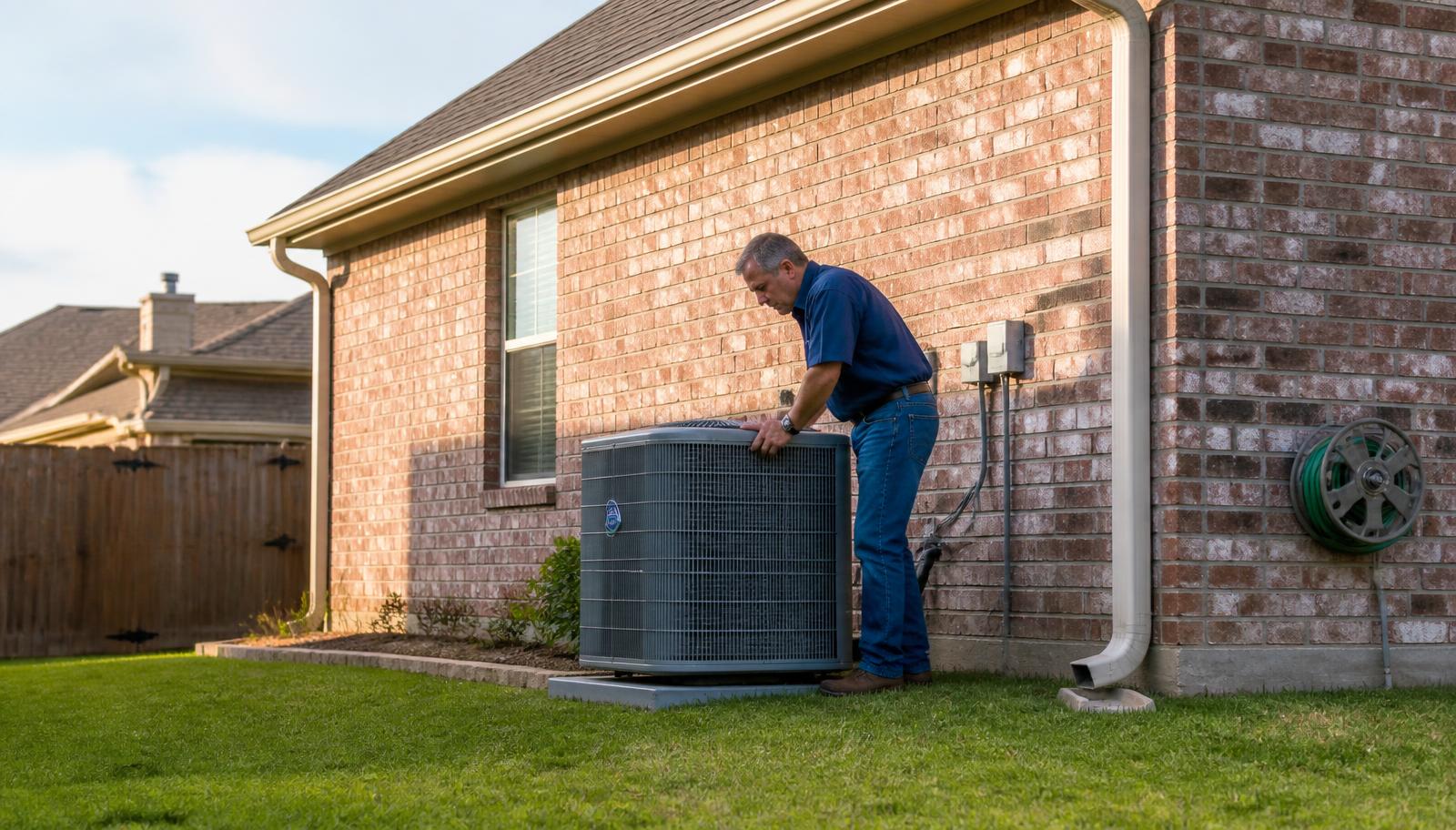
Air conditioning, allergies, hurricane plans, generators, snakes, mosquitoes, pools, urgent care and ozone days: the practical safety habits that come with living in Texas.
Energy is only one piece. Technology, finance, health care, aerospace, manufacturing, trade, agriculture, construction and military installations all shape where Texans work and where newcomers find opportunity.
Y'all, brisket by the pound, boots with a suit, Friday-night football and a flag on almost everything: a practical guide to the everyday customs that make Texas feel different.
A practical 2026 relocation guide to the costs, taxes, insurance, weather, utilities, schools, special districts, driving and regional differences that surprise people after they move to Texas.
A private well can make rural property possible, but a well is not a guarantee of unlimited or uniform water. Records, aquifers, depth, yield, quality, local groundwater rules and nearby land uses all matter before closing.
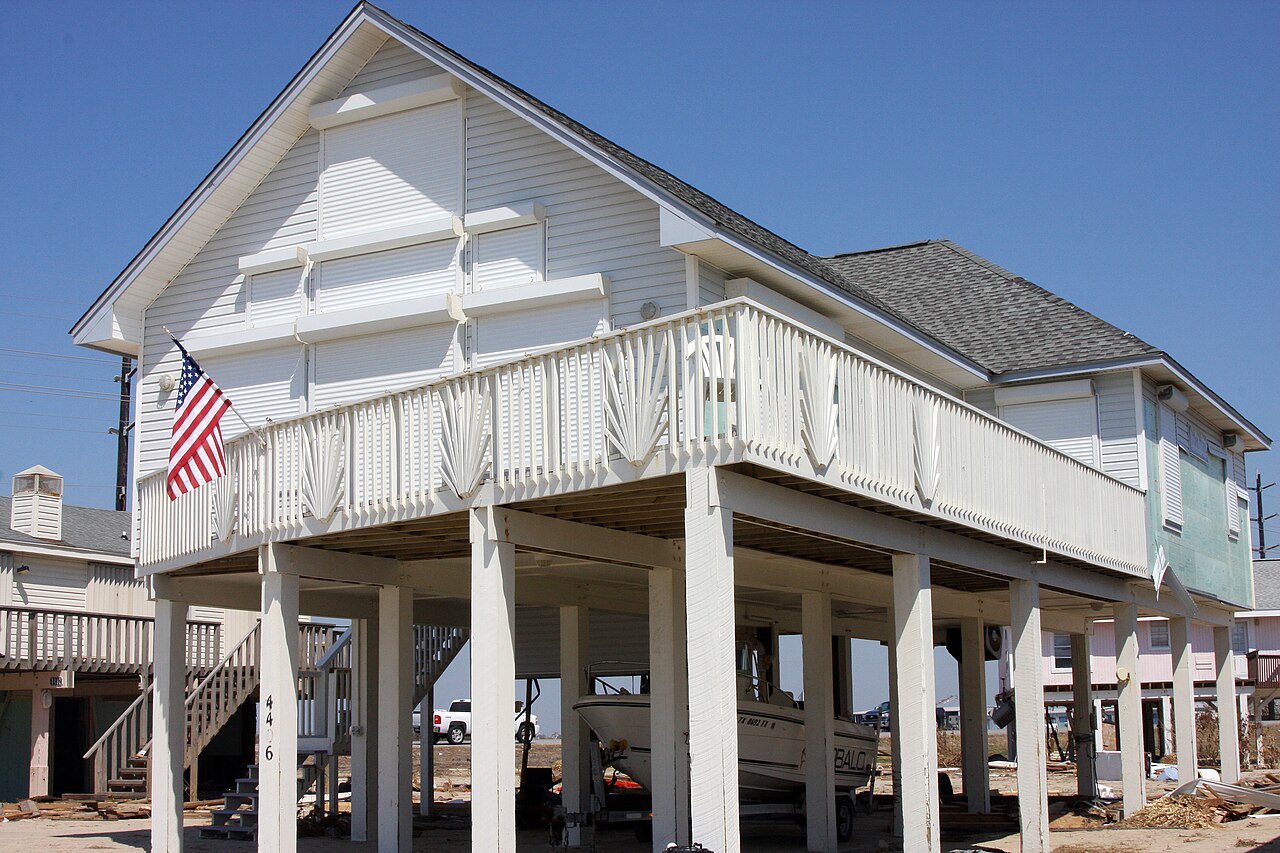
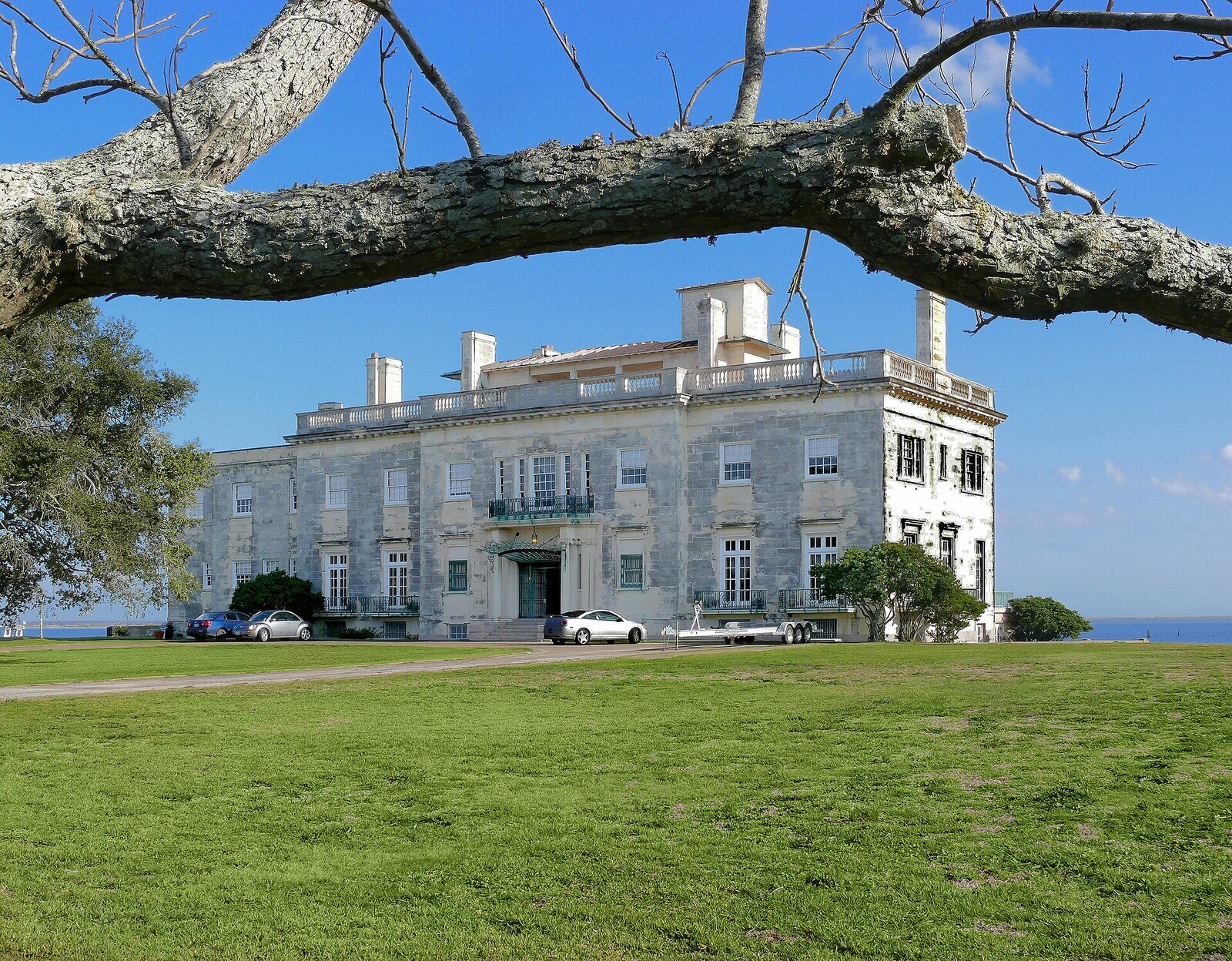
A limestone house in the Hill Country, a raised cottage near the Gulf, an East Texas bungalow and a West Texas stucco home are all recognizably Texan for different reasons. Climate, local materials, migration and changing technology built the state's residential landscape one region at a time.
Acreage can look simple from the road and become complicated the moment you ask about legal access, water, septic, utilities, minerals, restrictions, floodplain and taxes. This is the Texas due-diligence guide to read before you fall in love with the view.
A new Texas neighborhood can come with more than a mortgage and city taxes. Learn how MUDs, PIDs, HOAs and other local charges fit together before you decide what a home really costs.
Texas freezes are short, uneven and sometimes destructive. A little preparation can protect pipes, plants, pools, pets and the parts of a house that are easiest to forget until the temperature drops.
Expansive clay, long dry spells and sudden rain can move the soil under a Texas house. Learn what is normal, what deserves attention and how drainage and moisture affect a slab foundation.
The advertised rate is only the beginning. Learn how to read the Electricity Facts Label, compare plans at your real usage and avoid credits, minimums and contract terms that can turn a cheap-looking plan expensive.
ISD stands for Independent School District. Here is what that means in Texas, why city limits do not determine your school district and how to verify the schools tied to a specific address.
Texas roofs live a hard life. Here is how hail, straight-line wind, hurricanes, sun and heat shorten roof life—and what homeowners should inspect before small damage becomes an expensive leak.
Hurricane preparation is easier before the Gulf starts getting busy. Build a practical Texas plan for evacuation, power loss, flooding, pets, medications, insurance records and the first days after a storm.
Texas weather can swing from freezes to triple-digit heat, hail, drought and tropical rain. A seasonal maintenance rhythm helps homeowners catch small problems before the next stretch of extreme weather finds them.
A Texas yard does not have to fight Texas weather. These native flowers, grasses, shrubs and small trees can handle heat, support wildlife and make a landscape feel like it belongs here.
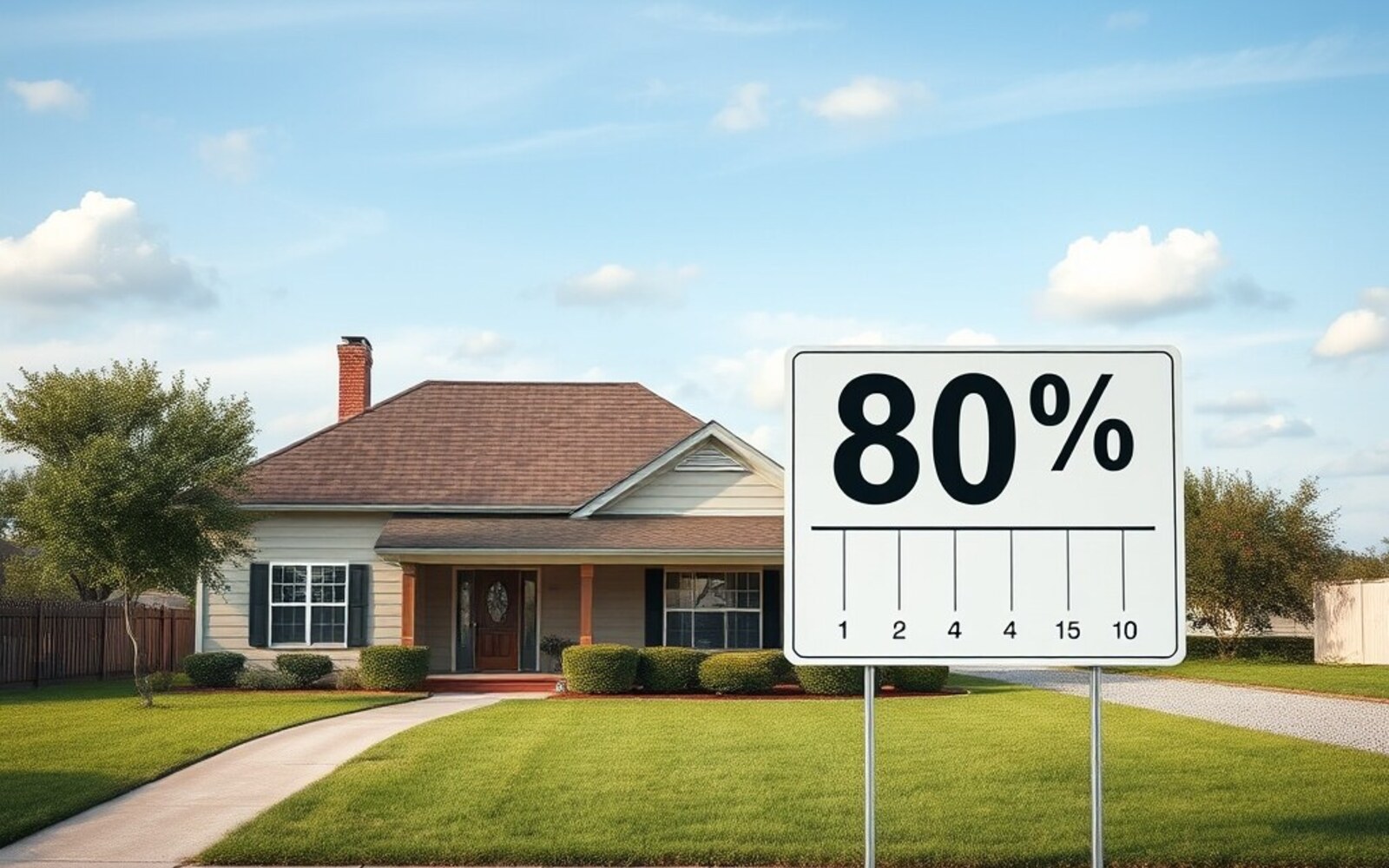
Texas allows home-equity loans and HELOCs, but homestead-secured borrowing has state-specific constitutional rules. Understand the 80% combined-lien ceiling, loan structures, risks and what to verify before applying.