Lyndon B. Johnson National Historical Park is best understood as two connected places rather than one gated attraction. The Johnson City district preserves Johnson's childhood and family roots; the ranch district near Stonewall preserves the working landscape he returned to throughout his political career and presidency. The two districts are about 14 miles apart on U.S. 290.
Start in Johnson City if you want the most chronological version of the story. The National Park Service Visitor Center is open daily from 9 a.m. to 5 p.m. except Thanksgiving, Christmas and New Year's Day, with exhibits, films, a bookstore and staff orientation. The same district includes the LBJ Boyhood Home and the Johnson Settlement.
The Boyhood Home now has its own TexasDefined guide because its visitor logistics are specific. Current National Park Service programs are free and begin from the Johnson City visitor center. The restored home is not air-conditioned, so summer access can be limited by interior heat even when the broader park is open.
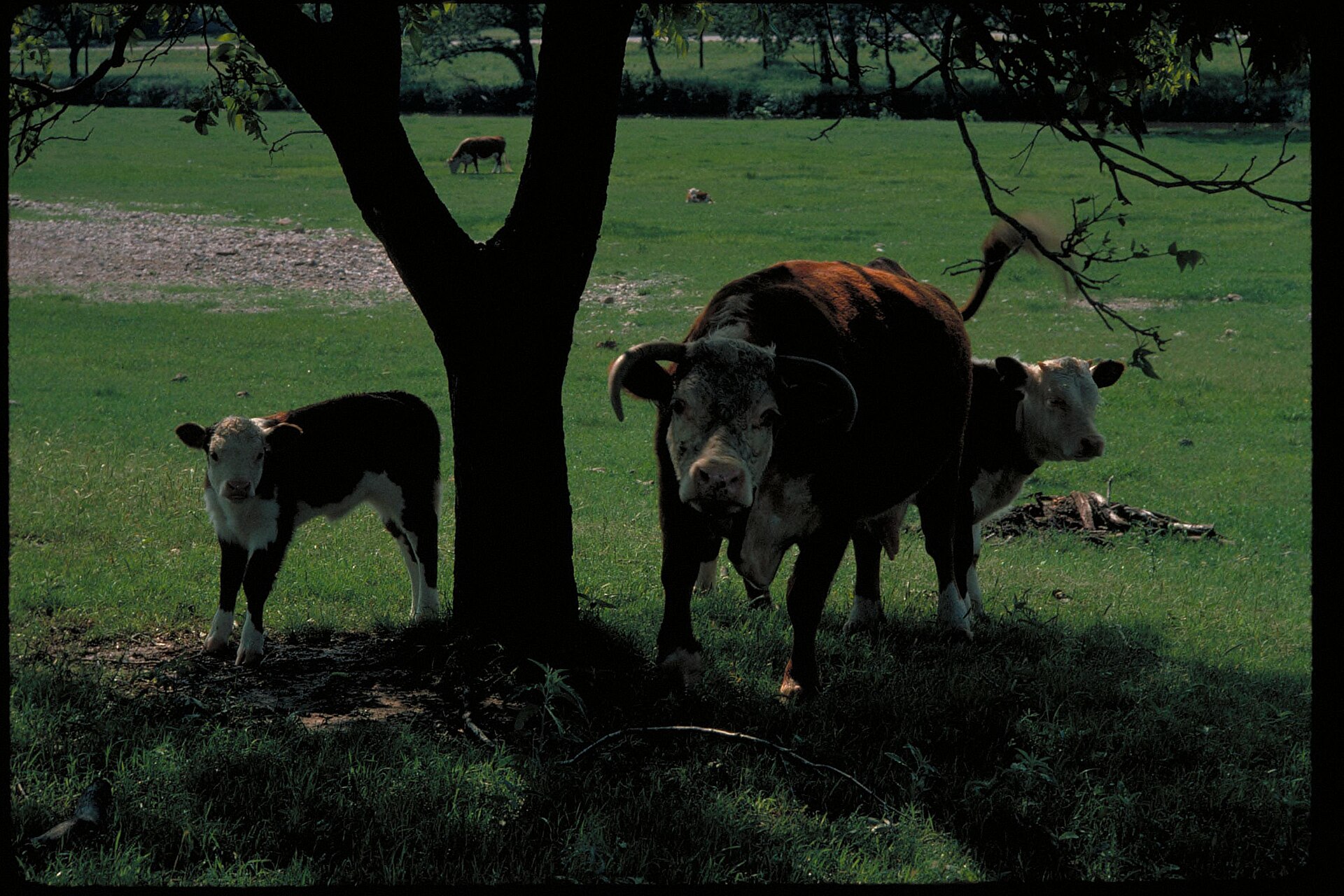
The Johnson Settlement adds the older family story. A roughly one-mile trail leads through the nineteenth-century settlement landscape associated with Johnson's grandparents, with historic structures, barns, longhorns and interpretation of frontier and ranching life. Visitors with mobility needs can ask at the visitor center about driving access into the settlement.
The LBJ Ranch is a separate driving experience. Before entering, visitors must stop at Lyndon B. Johnson State Park & Historic Site near Stonewall for a free driving permit. The current National Park Service guidance says permits are issued between 8:30 a.m. and 4 p.m.; the ranch inbound gate opens at 9 a.m. and closes at 4:30 p.m., with the exit gate closing at 5 p.m.
The ranch route remains open even though the Texas White House Complex is under rehabilitation. Open ranch stops include Junction School, the reconstructed birthplace, the Johnson Family Cemetery viewing area and the Show Barn. These sites make the ranch worth visiting even without interior access to the Texas White House.
The Texas White House Complex itself remains closed. The closure includes the Texas White House, Hangar Visitor Center, Lockheed JetStar and Klein Shop vehicle display. Visitors drive past the fenced construction area but are not permitted to park, walk the grounds or stop along the active construction zone. The National Park Service currently describes the White House rehabilitation as a multi-year project.
That closure changes the best itinerary. Do not plan the ranch around a house tour; plan it around the self-guided driving route, Junction School, birthplace, cemetery, Show Barn and the Pedernales landscape. If seeing the Texas White House interior is essential, verify the current rehabilitation status immediately before travel rather than relying on an older guide or cached search result.
The park is also easier to understand when paired with the adjacent state park. Texas Parks and Wildlife manages LBJ State Park & Historic Site and the Sauer-Beckmann Living History Farm; the National Park Service manages the federal historical park. The state park is where ranch driving permits are issued and adds German-Texan farm life, longhorns, bison and a broader regional story.
A strong full-day visit moves from childhood to presidency: Johnson City Visitor Center, Boyhood Home and Johnson Settlement in the morning; then U.S. 290 west to LBJ State Park for the ranch permit, followed by the ranch drive. Johnson City, Hye, Stonewall and Fredericksburg all fit naturally around that route depending on food, lodging and additional interests.
Lyndon B. Johnson National Historical Park is not one walkable museum campus. The federal park interprets Johnson City, including the visitor center, boyhood home and Johnson Settlement, as well as the LBJ Ranch near Stonewall approximately fourteen miles away. Visitors who follow a single generic map pin can end up at the wrong unit or miss required ranch-driving arrangements.
NPS states the Texas White House Complex remains closed for rehabilitation begun in January 2024. The Texas White House, Hangar visitor center, Lockheed JetStar and associated visitor areas are not available to tour. The LBJ Ranch driving route remains open under current conditions, with access to other named sites such as Junction School, reconstructed birthplace, family cemetery viewing area and show barn. Do not use an old White House tour photo or affiliate offer to imply the interior can be booked.
The Ranch driving permit is free but still required. Visitors obtain it from the Lyndon B. Johnson State Park and Historic Site visitor center on Highway 290, not from a fictional national-park ticket booth on the ranch itself. The federal Ranch inbound gate generally opens at 9 a.m. and closes at 4:30 p.m., while the exit gate closes at 5 p.m. Johnson City's visitor center generally operates from 9 a.m. to 5 p.m. but its guided-program departure times vary.
An efficient history itinerary starts with the Johnson City interpretation and settles on an actual same-day reservation or free driving permit if continuing toward Stonewall. Visitors with limited time can see one unit well; a half-day should not promise a White House interior visit. Ranger talks, the farm exhibits and family-history programs need checking for the chosen weekday.
The nearby state historic site is a distinct Texas Parks and Wildlife property with a living-history farm, so fee-free federal admission does not mean every adjacent experience is operated by the same agency. Consult both operators' current site pages. A well-grounded guide explains the distinctions rather than conflating the National Historical Park with the state historic site.