The Medal of Honor Host City Museum is a focused history destination on the North Central Texas College campus in Gainesville. Rather than attempting a complete history of every American war, it uses the experiences of Medal of Honor recipients to explore decisions, service, sacrifice and how stories of valor are preserved. The museum's own account describes historical artifacts, personal memorabilia, educational programs and changing community events.
Gainesville's wider Host City story is central to what makes this stop distinctive. The community began welcoming living Medal of Honor recipients through the Host City Program in 2001. Annual visits, public recognition and educational activities give the museum a local civic purpose beyond displaying medals. This museum is not the National Medal of Honor Museum in Arlington, Texas; those are separate institutions with different experiences and access arrangements.
The permanent museum held its ribbon-cutting on April 10, 2025 and later opened for regular public visits. Earlier opening stories quoted different schedules. For current planning, use the current NCTC museum page and its separate summer-hour guidance, not an undated third-party listing or last year's news coverage.
What can you expect? The museum advertises exhibits about Medal of Honor recipients, material contributed by veterans and families, and interpretation of courage and personal service. Its published collection policy names uniforms, medals and honors, original reports, personal letters, photographs, oral histories and everyday military mementos among its collecting interests. That is a statement of collection priorities, not a promise that every listed type of artifact is on display on a given day.
A June 2025 KXII photograph of the museum's recipient gallery shows panels for Marine Duane E. Dewey and Army recipients Roger Hugh C. Donlon and Michael John Fitzmaurice. Those labels are documented examples of the museum's biographical approach, not a promise that the same gallery arrangement remains in place today. Dewey's 1952 Korean War citation concerns protecting wounded fellow Marines from a grenade; Donlon's citation records the 1964 defense of Camp Nam Dong in Vietnam; and Fitzmaurice's citation describes his actions against explosive charges in a bunker near Khe Sanh in 1971. Comparing these three stories is an instructive way to study valor without assuming the museum has a fixed rotating-exhibit schedule.
Why these names matter: two accounts involve shielding other service members from an explosion, but they took place in different wars, service branches and circumstances; Donlon's story instead centers on coordinating the defense of a remote camp under attack. When you visit, use the gallery labels and official citations to distinguish the circumstances rather than reducing different recipients to one generic narrative. Source trail: KXII's June 19, 2025 gallery image and published recipient citations from the U.S. government and the National Medal of Honor Museum.
For a first visit, begin with the recipient biographies rather than trying to identify every artifact immediately. Ask which displays connect particular recipients to the Gainesville visits, then compare their military service and their lives afterward. The value of the visit is connecting a formal decoration with actual people and the difficult circumstances in which they acted.
This is an especially suitable stop for teachers, families with school-age children and readers of military history who want an educational exhibit rather than a large vehicle or aircraft collection. It is a less appropriate choice for someone seeking shipboard tours, tanks or a full day of aircraft exhibits; TexasDefined's separate statewide military museum guide covers those experiences.
Independent visit-planning judgment: treat this as one anchor of a Gainesville heritage outing, not automatically an all-day attraction. The museum does not publish a standard visit duration, and exhibit availability can change. Give yourself time for a thoughtful visit, then consider the Host City Park, historic downtown and the Morton Museum of Cooke County as distinct second stops. Check each site's hours separately.
The museum's location is on an operating college campus. NCTC's school-trip handbook describes an open parking lot opposite the museum entrance, bus drop-off at the entrance, a ban on food and drinks inside galleries except closed bottled water, and photography only where permitted. Ordinary individual visitors should verify practical arrangements with the operator rather than assuming the school's group itinerary is their own admission procedure.
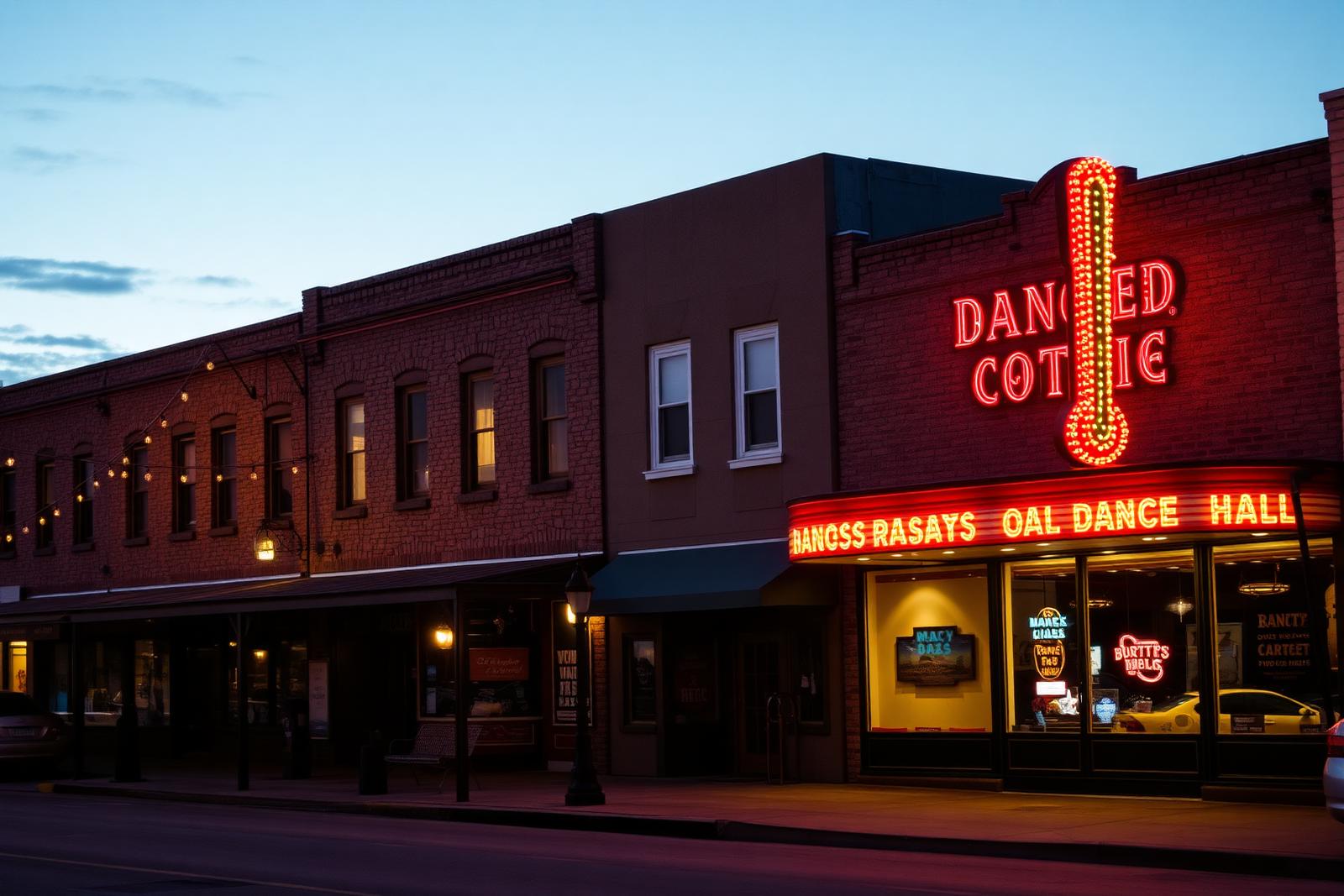
To find the correct building, use NCTC's Gainesville campus map: the museum is labeled Building 2700, on the college grounds at 1525 West California Street. The museum's own official page includes an actual exterior photograph to help identify the venue; the credited 2017 Creative Commons photographs on this guide instead show the separate Medal of Honor Park, not the college museum. The campus map does not verify accessible stalls, step-free paths or visitor restroom arrangements.
A different Commemorative Air Force Ground Forces page describes a Texas Medal of Honor Memorial displayed at the NCTC library as a temporary arrangement. That reference should not send a visitor looking for the newer 2025 Medal of Honor Host City Museum to the library. It also does not establish the new museum's wheelchair access; confirm whether the older display is still visitable directly with its operator.
For school field trips, the logistics matter more than typical walk-in planning. NCTC requires reservations at least two weeks in advance, limits groups to 100 people including adults, asks for one chaperone per ten students, and requests arrival 15 minutes before the scheduled tour. It offers guided visits and self-guided activity-sheet options. Contact the museum for age-specific materials and any changes to these arrangements.
Do not confuse the federal Medal of Honor with the Texas Legislative Medal of Honor, a separate state distinction. The Gainesville museum concentrates on the national award and Host City traditions; TexasDefined's Texas Medal of Honor stories guide supplies biographical background on Audie Murphy, Macario Garcia and Roy Benavidez. The two resources work best together without pretending every person in the article has a dedicated Gainesville exhibit.
For accessibility, step-free routes, seating, hearing assistance, accessible parking, and sensory accommodations are not detailed sufficiently on the public museum page to make definite claims. Contact museum staff ahead of time at 940-668-3330 or MOH.HostCityMuseum@nctc.edu. A lack of published specifics should not be presented as evidence that an accommodation is unavailable.
See the original June 2025 KXII museum-opening coverage for a photograph of named recipient panels, and the government recipient indexes or published citations to check the wartime actions summarized here. The 2025 photo is a historical reference: current exhibit inventory has not been verified on-site. NCTC's official events calendar is the source for its November 11, 2026 campus closure, while its current museum page governs regular opening hours.
Sources and methodology: this independently written guide reconciles current NCTC museum hours with the handbook's summer schedule and earlier opening notices, and uses NCTC's Gainesville campus map to identify Building 2700. The separate CAF library memorial listing is treated as a different and potentially outdated facility description. Museum exhibits and accessibility details are presented conservatively; location coordinates derive from the OpenStreetMap museum record. No first-hand visit, current gallery inventory or special staff access is claimed. Published visitor guidance checked November 8–9, 2026; changing details require a fresh source review.