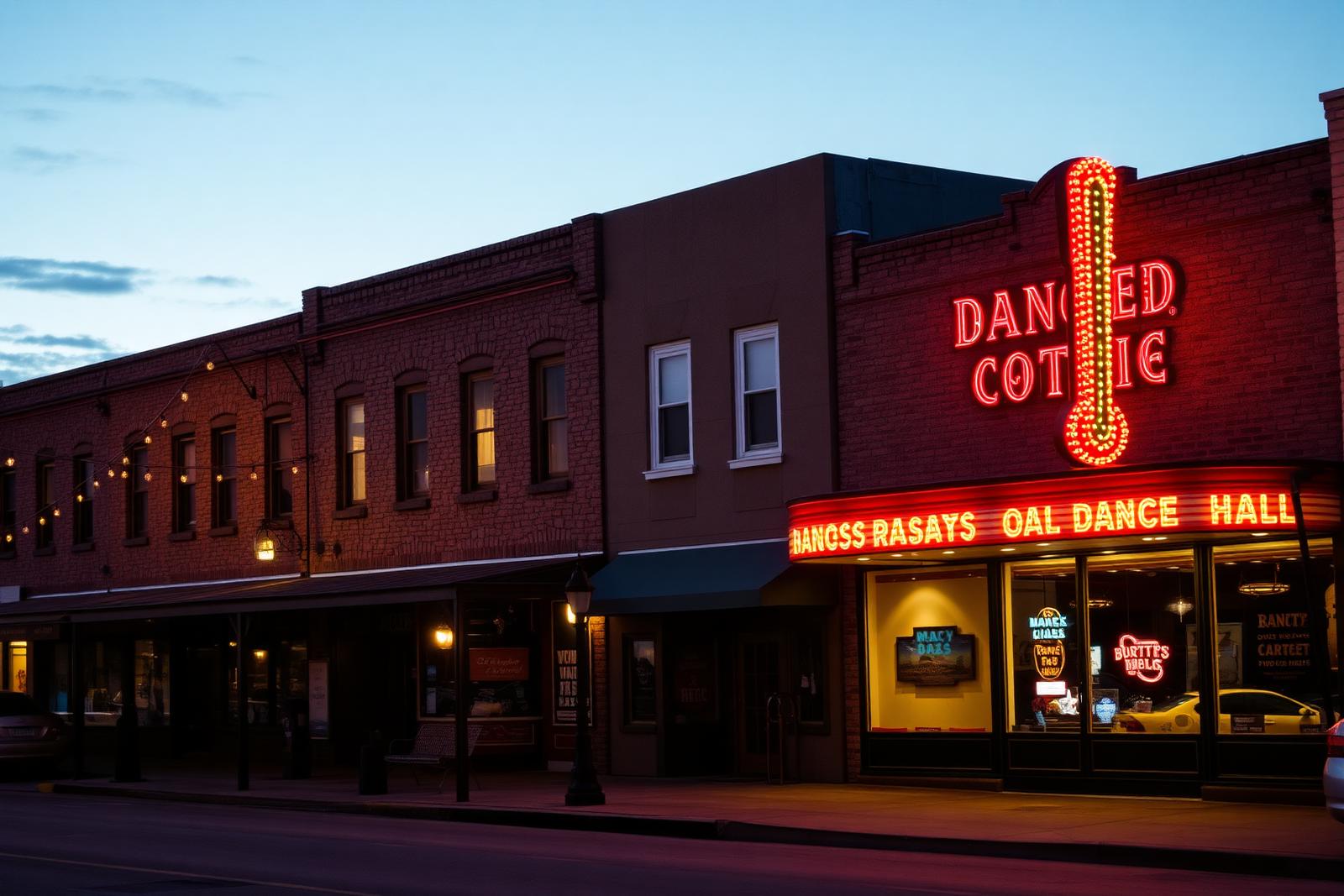
Salado was founded in the nineteenth century around springs, a creek crossing and an ambitious educational community, and much of that story remains visible along the village's main corridor. The Salado College ruins and Salado Museum preserve the education and settlement history, while historic homes, churches, inns and commercial buildings create a long self-guided landmark route. The Stagecoach Inn and the village's association with stage travel and cattle-drive routes add another layer of Texas transportation history without requiring visitors to leave the walkable center.
The modern identity is just as important. Salado has developed a strong arts culture of galleries, studios, sculpture, live performance and locally made work, much of it concentrated around Main Street and the creek. Salado Creek provides the landscape that ties the village together, creating shaded pauses between shops, restaurants and historic sites. Because the destination is compact, travelers can alternate history, art, food and outdoor time without building a complicated driving itinerary.
A first visit works best at a strolling pace. Start with the museum or College Park to understand why Salado developed here, then move north along Main Street through shops, galleries and historic landmarks, using the creek as a break rather than racing from one address to another. Festival weekends and holiday events can transform the village, so parking and lodging deserve more planning on major dates. An overnight stay leaves room for live music, a performance or a slower morning without turning the trip into a same-day I-35 dash.