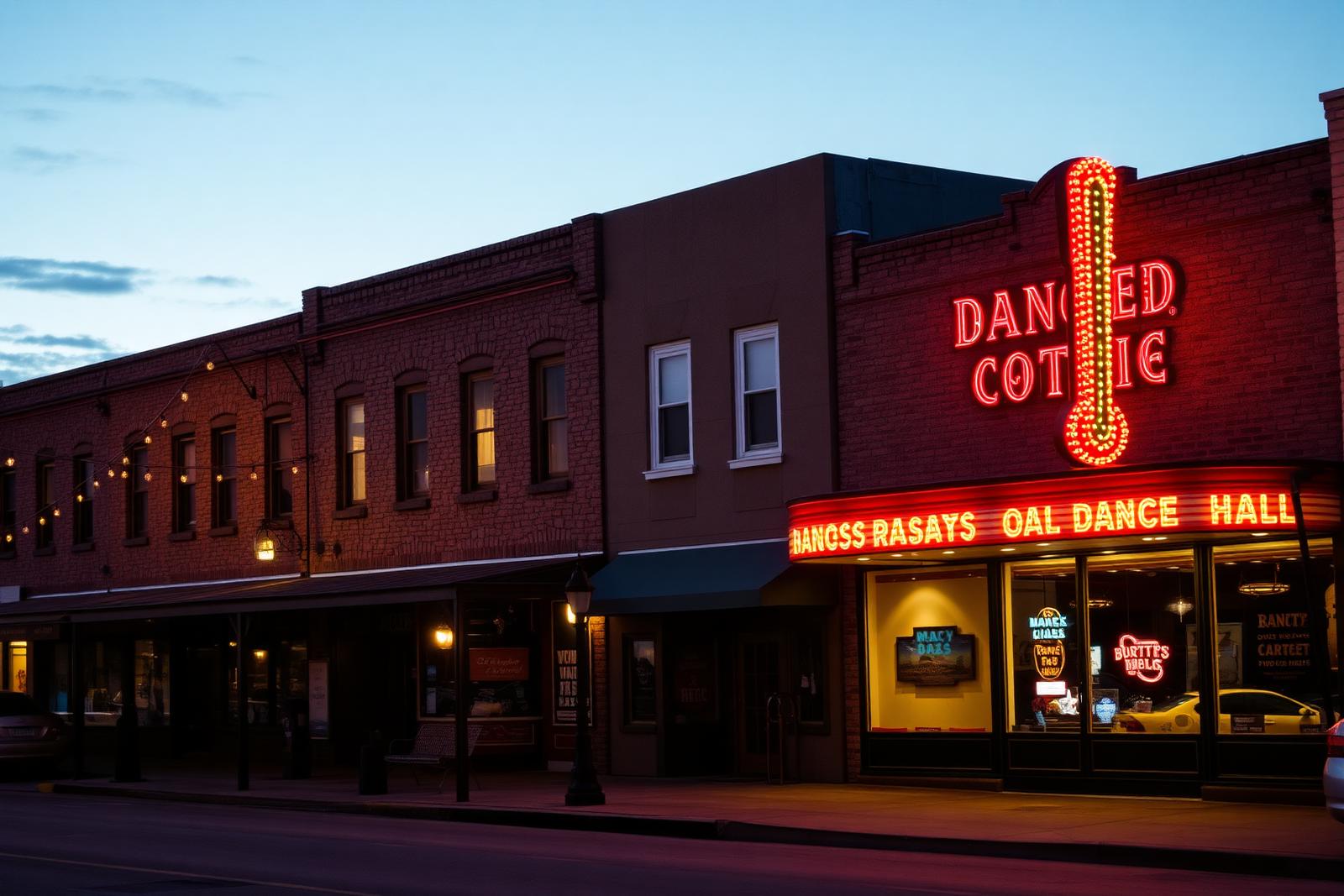
San Augustine grew beside a long-used overland corridor, later known as El Camino Real de los Tejas, connecting regional Indigenous communities and then Spanish, French, Mexican and Anglo-American travelers. It developed as a community in the 1830s, but the landscape's history begins much earlier with the Ais and related Caddoan peoples.
The best visitor route connects three separate institutions. Mission Dolores tells the story of the 1721 Spanish mission and local Ais history through an archaeological site and museum; the 1927 county courthouse illustrates twentieth-century civic architecture and sensitive restoration; the 1919 County Jail Museum preserves a different kind of public-institution history.
Start with Mission Dolores while it is open, then move downtown for the courthouse and jail. Allow time for a simple walk rather than treating the town as a photo stop; seek specific operating information at each institution and continue toward the San Augustine County page for the longer settlement, agriculture, timber and Sam Rayburn story.