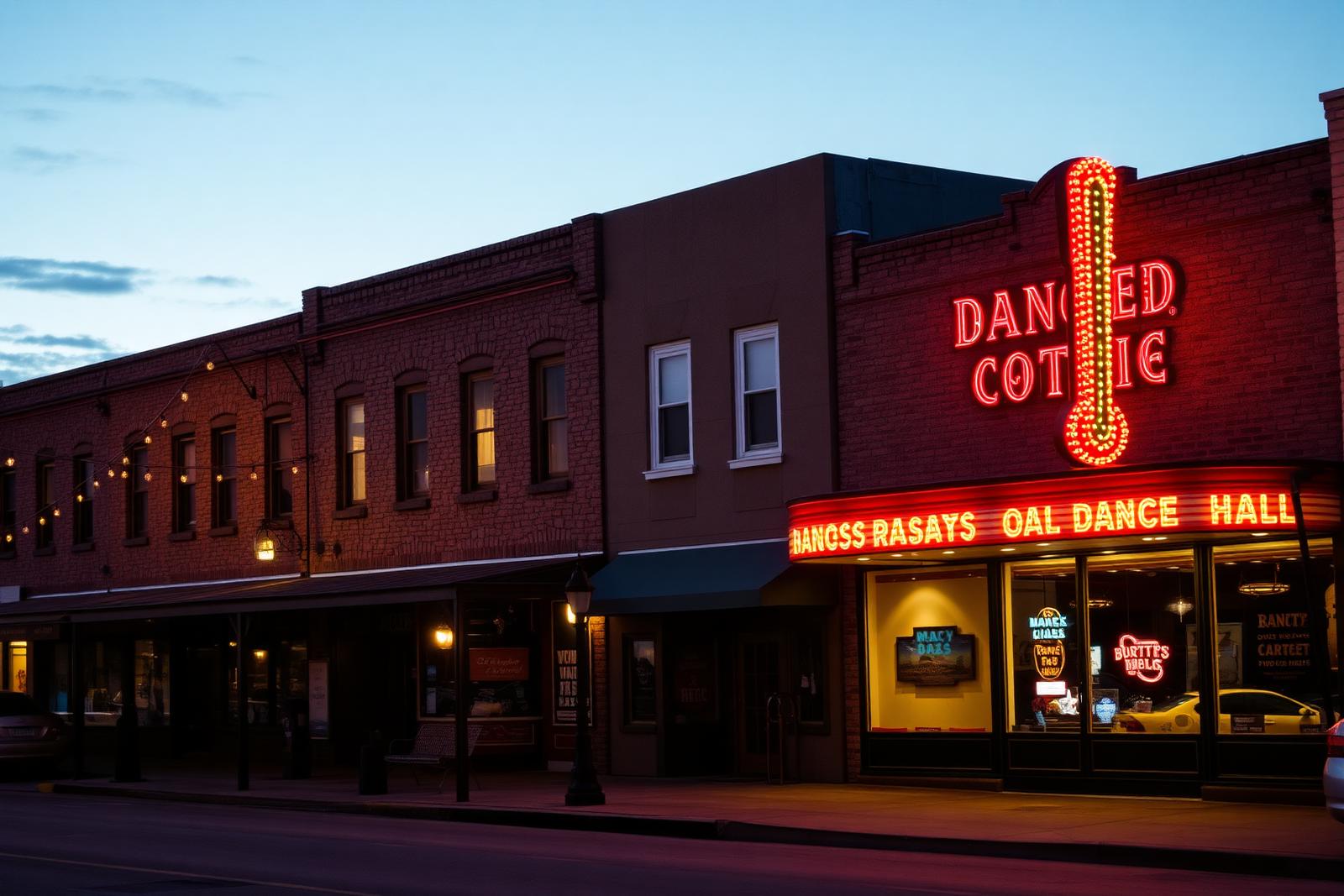
Waxahachie is one of North Texas's most rewarding places to understand the cotton boom through streets and buildings rather than a single museum exhibit. Founded in 1850, the Ellis County seat developed into an agricultural and commercial center as cotton production expanded. The late-nineteenth-century economy shaped its elaborate courthouse, downtown storefronts and residential neighborhoods. The city documents this relationship directly in its official local history.
The 1895 Ellis County Courthouse is the organizing landmark for a first visit. Designed by J. Riely Gordon in the Richardsonian Romanesque tradition, its red sandstone, arches, carved details and prominent clock tower deserve time from more than one side of the square. It remains a functioning courthouse. Visitors can appreciate the exterior and courthouse square without assuming access to offices, security-controlled courtrooms or interior public tours.
Walk beyond the courthouse to understand the broader late-Victorian town. Downtown shopping, coffee, local dining, historic facades and preserved residential architecture reflect Waxahachie's longer commercial history. Some older structures remain private homes or businesses and are not public exhibits. The city's advertised Gingerbread Trail events make a different, ticket-specific experience from everyday neighborhood walking; never confuse the two.
Getzendaner Park provides a valuable change of pace and a more accessible family-oriented stop. The city's park department identifies a 33-acre creekside property established in 1889, containing the Chautauqua Auditorium, walking and picnic opportunities, and the M&M ADA-compliant playground. The city's stated inclusive-play facility is useful practical information, but it does not establish that every historic venue in town is fully barrier-free.
The official visitor office lists public art and events such as the Hachie Hearts Trail, crape-myrtle celebrations, seasonal community festivals and the Scarborough Renaissance Festival in the area. These programs have differing locations, dates and admission requirements. Some take place outside the walkable courthouse district. Planning around the event's actual entrance and calendar is important, especially for a full-day family outing.
For a first trip, begin with courthouse architecture and downtown, then build a second segment around Getzendaner Park or a scheduled cultural event. Travelers drawn to historical architecture may prefer a half day of measured walking rather than attempting every seasonal festival in one visit. The broader Ellis County guide distinguishes nearby Ennis and rural cotton-country heritage from the Waxahachie center.