
Made here
Dr Pepper is a documented Waco invention. A product with an identified place and date supports a birthplace claim.
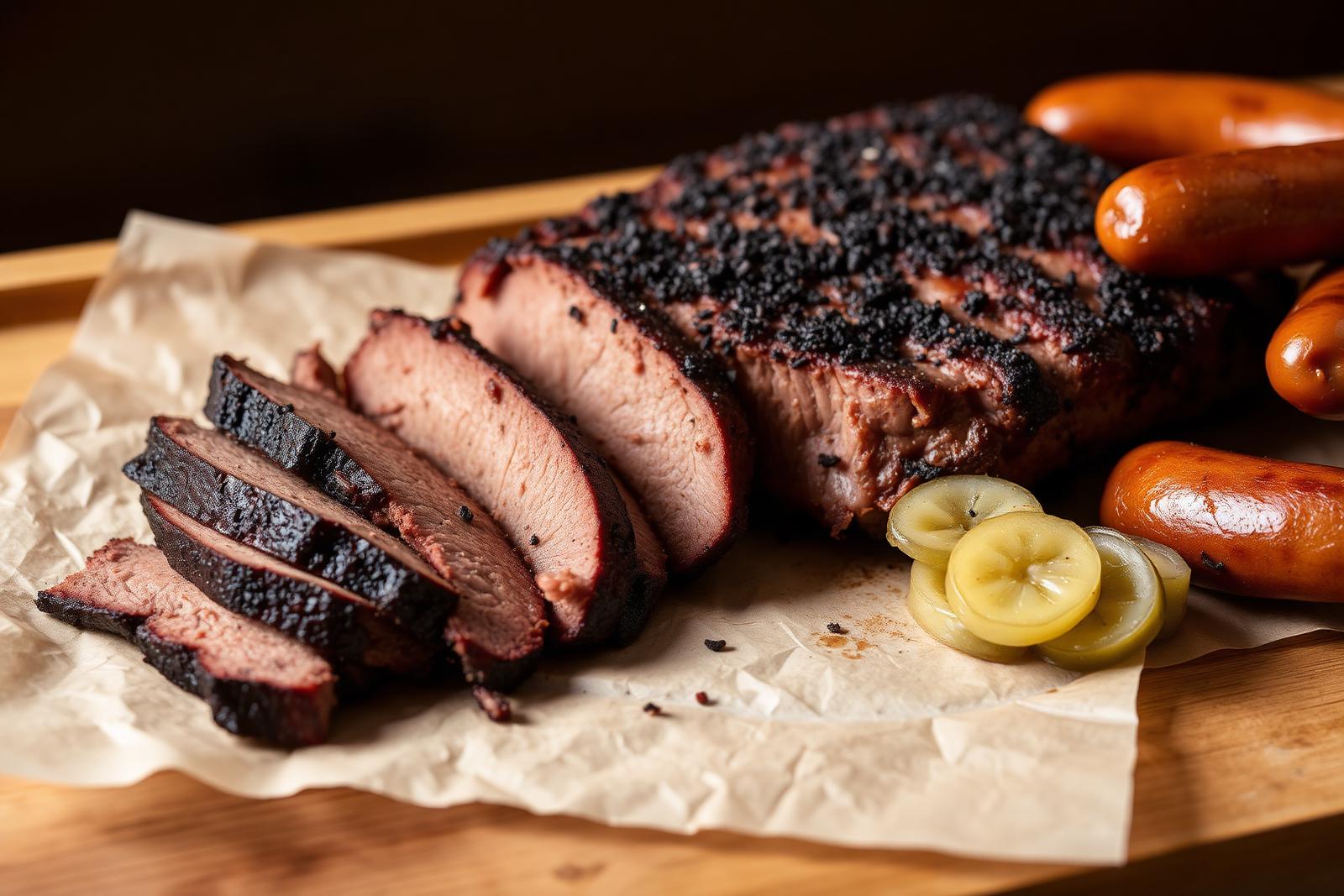
The stories behind the Texas table
A TexasDefined guide to the history behind brisket, chili con carne, chicken-fried steak, breakfast tacos, Czech and German foodways, Dr Pepper, Ranch Water, puffy tacos, barbacoa and the regional cultures that shaped the Texas table.
Quick answer
Texas food developed where cattle country, Indigenous ingredients, Mexican and Tejano cooking, Southern traditions, German and Czech immigration, Gulf seafood and modern highway culture overlapped. That is why brisket, breakfast tacos and kolaches can all feel unmistakably Texan without sharing the same origin.
The useful question is not which food is “most Texas.” It is where a tradition came from, which communities carried it forward, and how geography turned a local habit into a statewide identity.
Historical evidence
A food tradition can be older than Texas, rooted in a Texas city, or commercially popularized here. These are different claims. The dates below anchor specific parts of the story without pretending that one person invented a cuisine.
Before Texas statehood
Indigenous foodways, the arrival of Spanish colonial settlements and Mexican and Tejano cooking created the conditions for later regional cuisines. Corn, chiles, beans and locally available plants belonged to these histories well before any modern restaurant called a dish 'Tex-Mex'.
NPS: San Antonio mission communities (source)Nineteenth century
San Antonio's Chili Queens sold food in public plazas, connecting visitors with the city's Mexican and Tejano food culture. Their work cannot be reduced to a colorful origin legend; it was part of the economic life of working women in the city.
TSHA: chili commercialization and the Chili Queens (source)1885
The Dr Pepper Museum dates the drink to 1885 at Morrison's Old Corner Drug Store. This is a specific, documented Texas product origin. It is not evidence that every food Texans embrace was invented in the state.
Dr Pepper Museum: drink history (source)1896–1908
William Gebhardt launched Eagle Brand chili powder in 1896 and his company issued Mexican Cooking in 1908. The new packaged product and cookbook carried San Antonio-associated flavors to customers far beyond the city's chili stands; marketing broadened the audience without creating the food from nothing.
TSHA: Gebhardt Mexican Foods Company (source)Twentieth century onward
Czech and German baking traditions, Central Texas meat markets, Gulf seafood businesses and neighborhood breakfast counters developed in distinct places. Their modern popularity does not erase earlier Mexican, Indigenous, Southern and immigrant histories. Compare documented dates with family stories rather than inventing one statewide birthplace.
TSHA: caution about disputed dish origins (source)Dr Pepper is a documented Waco invention. A product with an identified place and date supports a birthplace claim.
Chili con carne, barbacoa and Tex-Mex cookery reflect older Mexican and Tejano traditions and changing practices in Texas. A single inventor story is misleading.
Kolaches, sausage, chicken-fried steak and other familiar foods reveal migration, regional tastes and disputed histories. Texas importance is not always Texas invention.
Sources are linked with the timeline above and in the nine topic guides below. Restaurant hours, menus and current ownership are not historical constants: use the food travel guide for named places and confirm present-day visitor information directly.
Start with nine stories
Central Texas meat markets, East Texas traditions, South Texas barbacoa and the regional logic behind a statewide obsession.
Read guide →San Antonio food historyChili Queens, William Gebhardt, commercial chili powder, Terlingua cookoffs and the difference between documented history and folklore.
Read guide →Comfort foodA disputed origin, Southern and German influences, regional frying styles and the cream gravy that completes the plate.
Read guide →Everyday foodwaysTortillas, eggs, beans, potatoes, barbacoa, carne guisada, migas and the local salsa habits that define the morning stop.
Read guide →Immigration & foodKolaches, klobasneks, sausage, beer, churches and dance halls connect Central European settlement to living Texas traditions.
Read guide →Waco brand historyThe documented 1885 Waco soda-fountain origin and the path from a local drink to a nationally recognized Texas-born brand.
Read guide →Cocktail folkloreTequila, lime and sparkling mineral water—with a West Texas folk identity and a much more documentable modern Ranch 616 chapter.
Read guide →West Side food cultureFresh corn masa, hot oil, Ray's Drive Inn and the San Antonio community context behind a regional Tex-Mex icon.
Read guide →Sunday in San AntonioAn older weekend barbacoa tradition, a Waco-born red soda and the later pairing that became San Antonio cultural shorthand.
Read guide →Travel
Build a route through barbecue country, San Antonio, Czech bakeries, the Gulf Coast and other regional food landscapes.
Context
Migration, language, agriculture and transportation explain why the Texas table changes as you cross the state.
Method
See how TexasDefined handles disputed origins, cultural adoption, primary sources and claims that change over time.