Food & Barbecue
20 Texas Food Towns Worth Planning a Trip Around
Some Texas towns make the strongest case for themselves at breakfast, lunch and dinner. These are destinations where food is part of the itinerary, not an afterthought.
Texas food is regional enough that a useful food trip should follow communities and traditions instead of a generic statewide ranking. Barbecue, Tex-Mex, Gulf seafood, Czech baking and border cooking belong to different routes.
- Lockhart
- Austin
- San Antonio
- Houston
- El Paso
- Brownsville and the Rio Grande Valley
- Fredericksburg
- New Braunfels
- West
- Brenham
- Port Aransas
- Galveston
- Luling
- Taylor
- Fort Worth
- Dallas
- Corpus Christi
- Jefferson
- Marfa/Alpine
- small Central Texas meat-market towns
A food town should give you more than one famous plate
The strongest Texas food towns are places where a meal connects to a regional story rather than functioning as a single viral stop. That can mean barbecue traditions tied to meat markets, border cooking shaped by geography and migration, Gulf seafood tied to working ports, German and Czech baking traditions, or large-city neighborhoods where several food cultures overlap. A town becomes worth planning around when breakfast, lunch, dinner and the spaces between them all tell you something about the place.
That standard also keeps a food road trip from turning into a string of oversized meals. Build each day around one major food anchor, one smaller tasting or bakery stop, and at least one non-food activity. A courthouse square, market district, museum, waterfront or scenic drive gives the trip rhythm and lets the food remain memorable instead of exhausting.
Lockhart is still the clearest barbecue-town case study
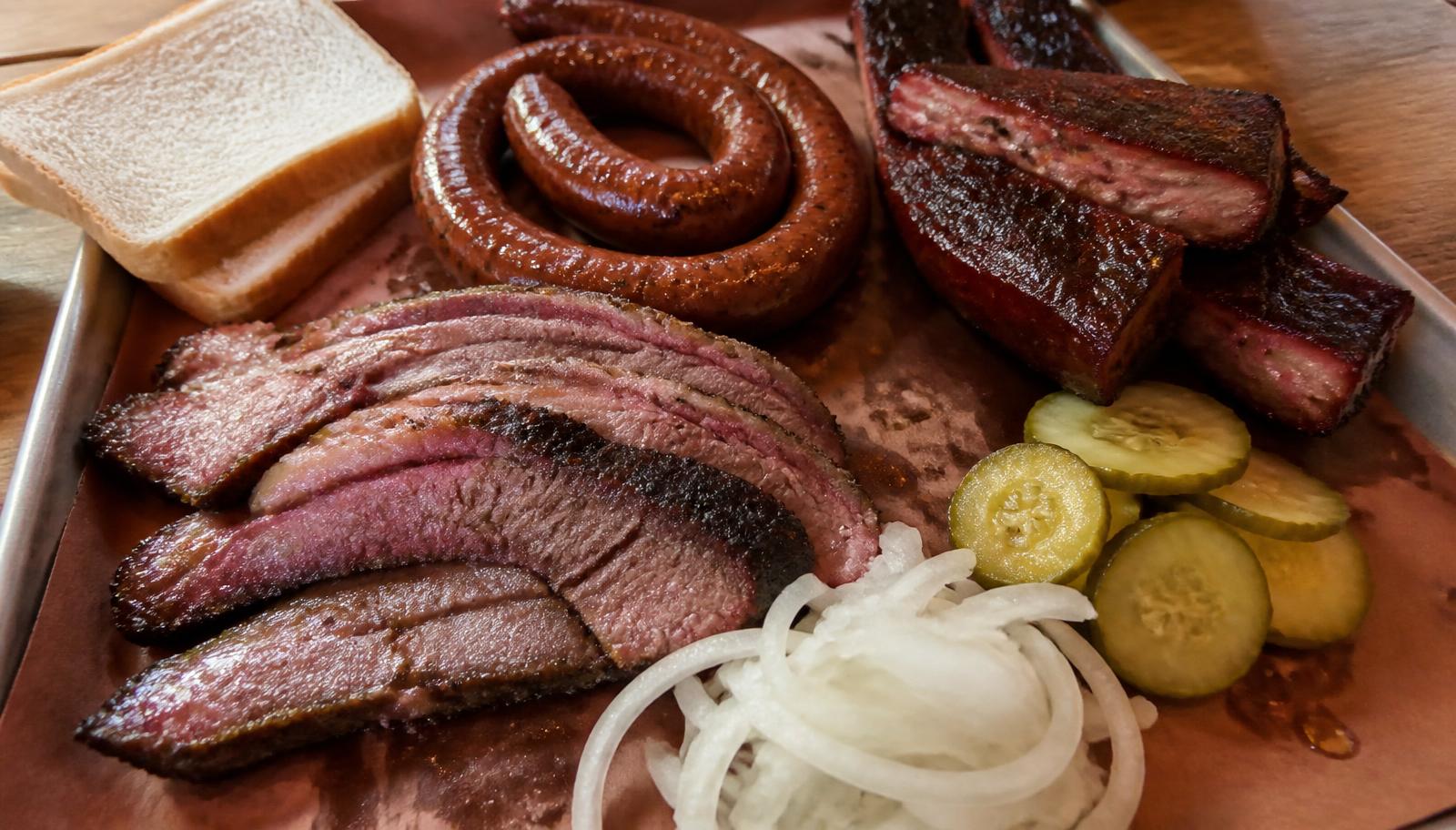
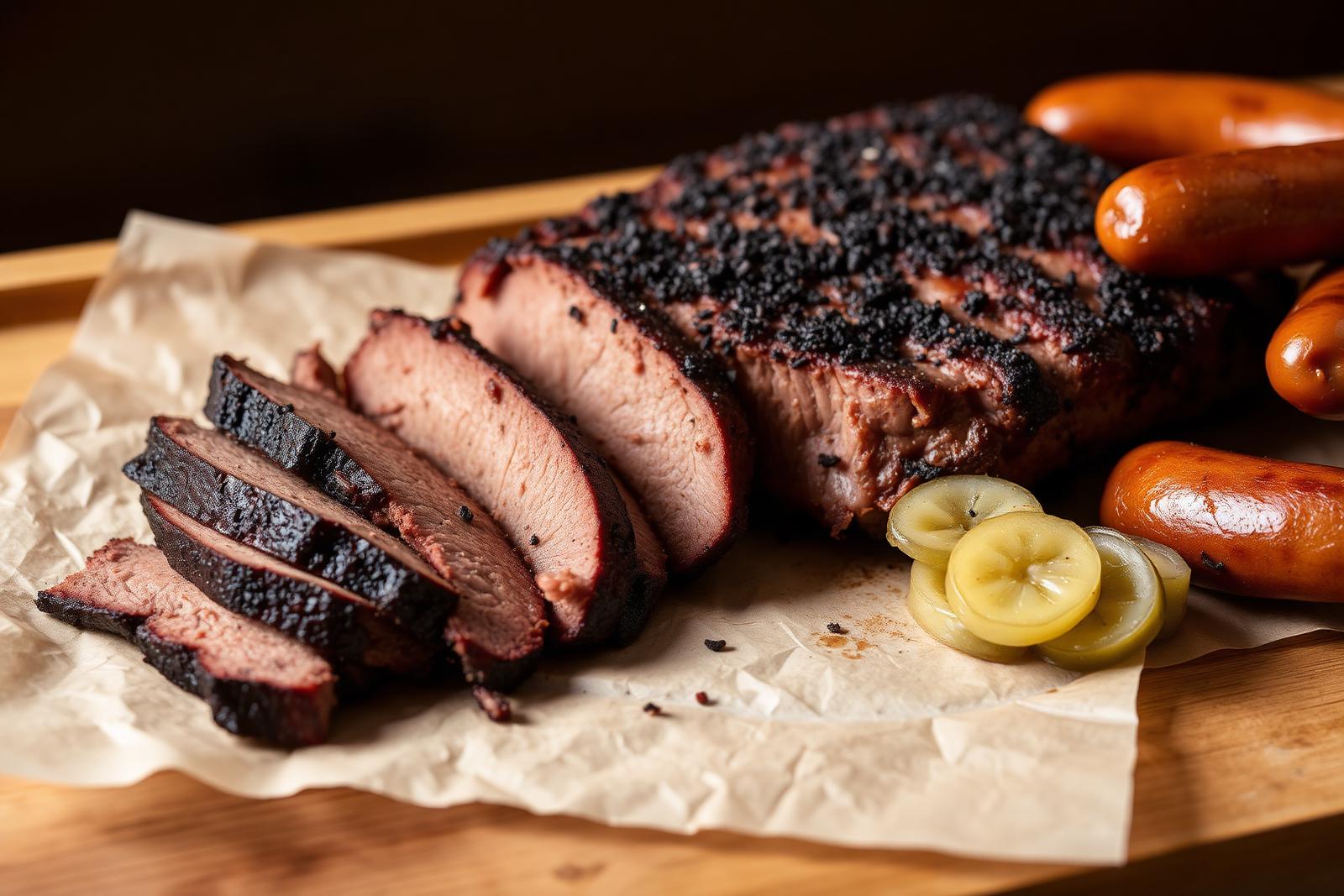
Lockhart works because multiple long-running barbecue institutions sit close enough together to compare without treating the day like a highway tour. Order smaller portions, compare brisket, sausage and sides, and leave time to walk the historic square. The point is not to decide which restaurant is objectively best. It is to see how one Central Texas town became identified with barbecue strongly enough that the food and the town now reinforce each other.
Nearby communities such as Luling and Taylor can extend the barbecue story for a longer trip. They work best when the drive follows a regional theme instead of chasing rankings. Two or three well-chosen stops across a weekend will teach you more about Central Texas barbecue than six rushed meals in one day.
San Antonio is strongest when you treat Tex-Mex and Mexican American food as regional history
San Antonio rewards travelers who move beyond one famous restaurant. Breakfast tacos, puffy tacos, pan dulce, neighborhood restaurants, markets and long-running Tex-Mex institutions all belong to the city's food identity. The useful approach is to combine food with the missions, historic neighborhoods and downtown rather than treating eating as a separate checklist.
The city is also a good reminder that food labels can flatten real differences. Mexican, Tex-Mex and regional South Texas traditions overlap but are not identical. Travelers learn more by asking what a restaurant is known for and how long it has served the neighborhood than by forcing every meal into a single category.
Houston earns a food trip through diversity rather than one signature dish
Houston is difficult to summarize because its strength is the number of food cultures operating at scale. Vietnamese, Mexican, Nigerian, Indian, Chinese, Pakistani, Cajun, Gulf Coast, barbecue and many other traditions coexist across a huge metro area. A successful food weekend therefore needs geographic discipline. Pick one or two neighborhoods or corridors per day instead of crossing the city repeatedly for isolated restaurant names.
The payoff is variety. Houston can support a breakfast-to-dinner day in which each meal reflects a different community without feeling artificial. That makes it one of the best Texas destinations for travelers who care more about range than about one iconic local dish.
El Paso and the Rio Grande Valley deserve separate food trips
El Paso belongs on a Texas food map because border geography shapes both the ingredients and the style of eating. The city should not be treated as a western extension of San Antonio food culture. A trip can combine local Mexican and border traditions with the broader Chihuahuan Desert setting, historic neighborhoods and nearby regional stops.
The Rio Grande Valley is equally distinct. Brownsville, McAllen and surrounding communities support food traditions tied to the border, ranching, citrus, seafood and family-run restaurants. The best trip is regional rather than city-by-city: choose a base, follow a few local recommendations, and let the food connect to wildlife, history or Gulf Coast travel.
Fredericksburg, New Braunfels and Central Texas heritage towns work best as food-plus-history trips
German-Texan communities are useful because sausage, baking, beer traditions and historic architecture can be experienced together. Fredericksburg offers the most developed tourism infrastructure, while New Braunfels and nearby towns can fit river or music weekends. The key is to distinguish heritage food from generic tourist food. Historic context, local producers and long-running businesses make the trip more meaningful than simply ordering something labeled German.
West is the classic Czech-baking stop, but the lesson is bigger than one bakery
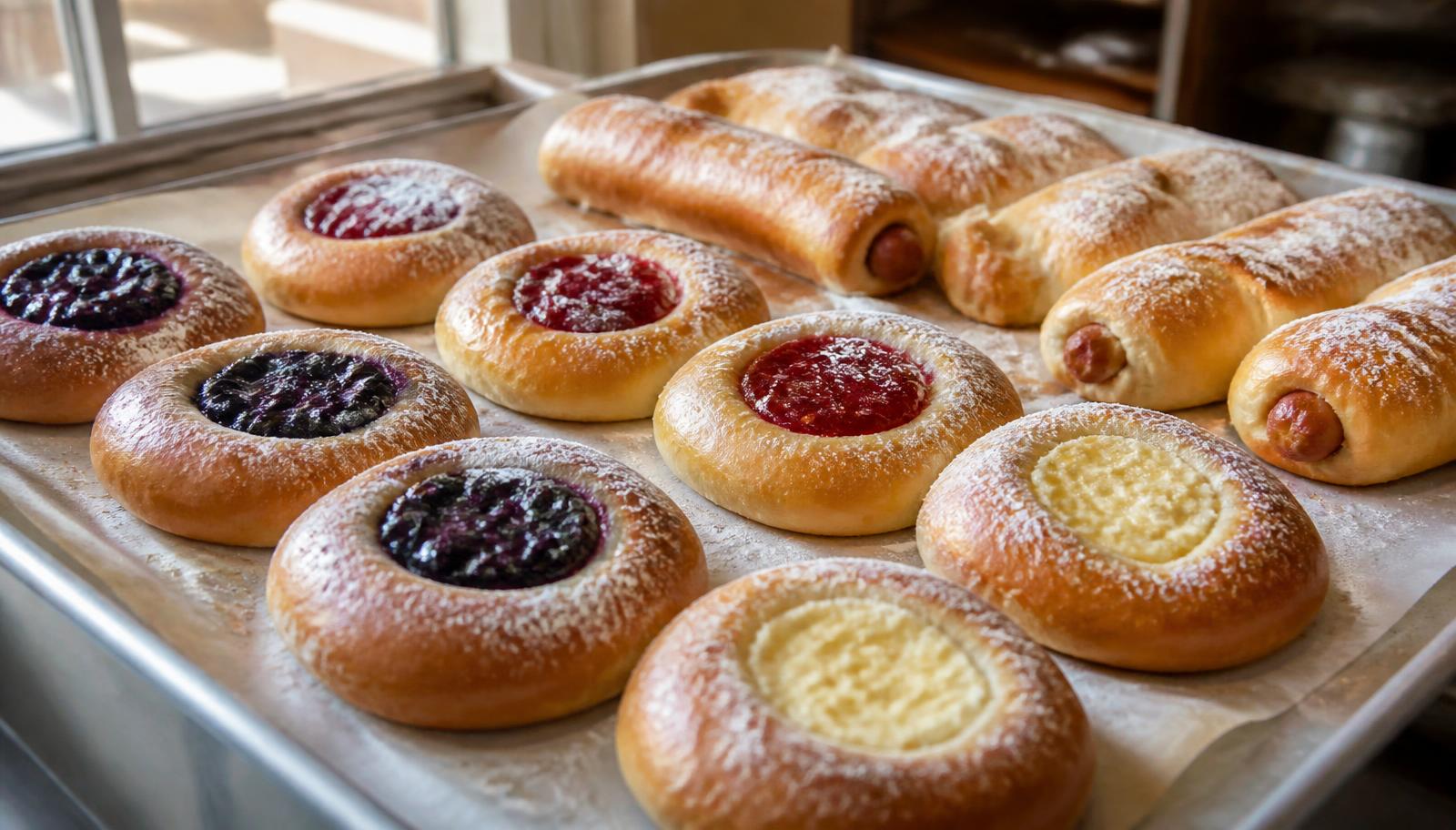
The Central Texas Czech and Czech-American food story is often reduced to kolaches, but the regional value comes from understanding how immigrant baking and sausage traditions became part of everyday Texas travel culture. A stop in West works well as part of an Interstate 35 trip or a broader Central Texas route. Travelers should try both sweet pastries and savory sausage-filled breads while remembering that everyday Texas naming does not always match traditional Czech terminology.
The Gulf Coast belongs on a food map because the water changes the menu
Galveston, Port Aransas, Corpus Christi and other coastal communities offer seafood in settings where the coast is visible in the working economy and travel experience. A good coastal food trip pairs meals with the port, beach, birding or historic district rather than treating seafood as interchangeable across the state. Seasonality, weather and current local conditions can affect both the trip and what is available.
Fort Worth and Dallas solve different urban food weekends
Fort Worth can pair barbecue, steakhouses and western identity with Stockyards and cultural-district visits. Dallas offers a broader metropolitan food map with strong neighborhood and international dining options. Neither needs to imitate Austin or Houston to justify a food weekend. Choose the city based on whether the trip is more about a concentrated regional identity or broad urban variety.
Use a three-part test before calling somewhere a food town
First, can you name more than one worthwhile food stop without repeating the same dish? Second, does the food connect to the community's history, geography or population? Third, can the town support enough non-food activity to make a full day or weekend work? If all three answers are yes, the destination is worth planning around. If only one restaurant drives the trip, treat it as a stop on a larger route instead.
Texas food travel is strongest when it explains regional difference. A brisket weekend, border-food weekend, Czech-bakery loop or Gulf seafood trip gives travelers a framework for comparison. That is more useful than trying to crown one statewide winner, and it gives every meal a reason to be where it is.
Primary source: Travel Texas — Food and Drink ↗
Plan Your Visit
Places connected to this story
Destinations explicitly tied to this article in the Texas Defined guide.
Lockhart · Caldwell County
Lockhart
Lockhart is a Caldwell County courthouse town whose nationally recognized barbecue tradition, ornate historic square, local museums, live arts and nearby Lockhart State Park make it a much broader Central Texas destination than a single meal stop.
Best season: Fall through spring for walking downtown and the state park; barbecue is year-round, while summer outdoor time is most comfortable early or late in the dayUpdated Sep 2026- Barbecue Capital of Texas
- Caldwell County Courthouse
- historic downtown
Fredericksburg · Gillespie County
Fredericksburg
Fredericksburg is a German-Texan Hill Country destination built around a walkable historic core, museums, independent shops and restaurants, with Texas Wine Country and major outdoor stops close enough to turn a downtown visit into a full weekend.
Best season: Fall through spring for walking Main Street and outdoor side trips; spring wildflower season and holiday weekends are especially popular and can be crowdedUpdated Sep 2026- Fredericksburg Historic District
- National Museum of the Pacific War
- Pioneer Museum


From the magazine