Food & Barbecue
15 Best Texas Weekend Trips for Food Lovers
Barbecue, Tex-Mex, Gulf seafood, Czech bakeries, border cooking and big-city global food scenes deserve trips built around them.
Texas food travel gets much more interesting once you stop asking for the single best restaurant and start asking which place tells a food story you cannot get somewhere else.
- Lockhart barbecue weekend
- Houston international food weekend
- San Antonio Tex-Mex and market weekend
- Austin barbecue and taco weekend
- Fort Worth barbecue and Stockyards weekend
- El Paso border-food weekend
- Rio Grande Valley food trip
- Galveston seafood and historic-district weekend
- Brenham and Washington County bakery-and-country-food route
- West Czech bakery and kolache stop
- Shiner/Gonzales regional road trip
- Fredericksburg German-Texan food weekend
- Beaumont-Port Arthur Gulf and Cajun-influenced food weekend
- Dallas neighborhood food crawl
- A small-town meat-market and barbecue loop
A food weekend should explain why the food belongs to the place
Texas food travel becomes more interesting when the trip is organized around regional traditions instead of a list of famous restaurants. Lockhart makes sense because Central Texas barbecue grew out of meat-market and community traditions. San Antonio tells a different story through Tex-Mex, Mexican American food, markets and neighborhood institutions. Houston's value comes from the scale of its international food communities. El Paso and the Rio Grande Valley reflect border geography. Galveston and the upper coast connect seafood to port and Gulf history.
The goal is not to settle which city has the state's best food. It is to understand why a specific meal tastes and feels different there. Build each day around one major food anchor, one smaller tasting or bakery stop and one non-food activity. That pacing protects both appetite and attention.
Lockhart is strongest when barbecue is treated as a comparison, not a contest
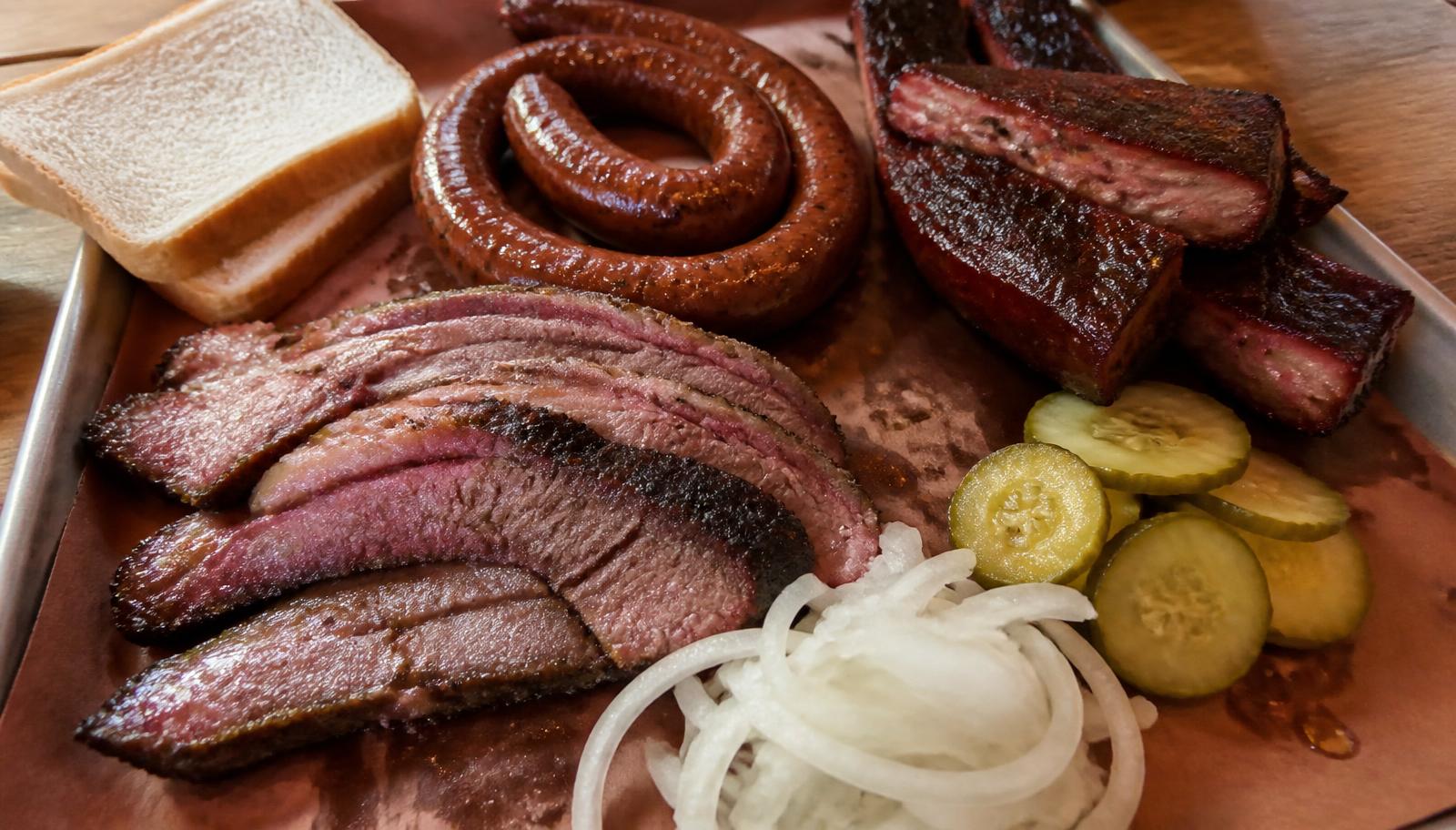
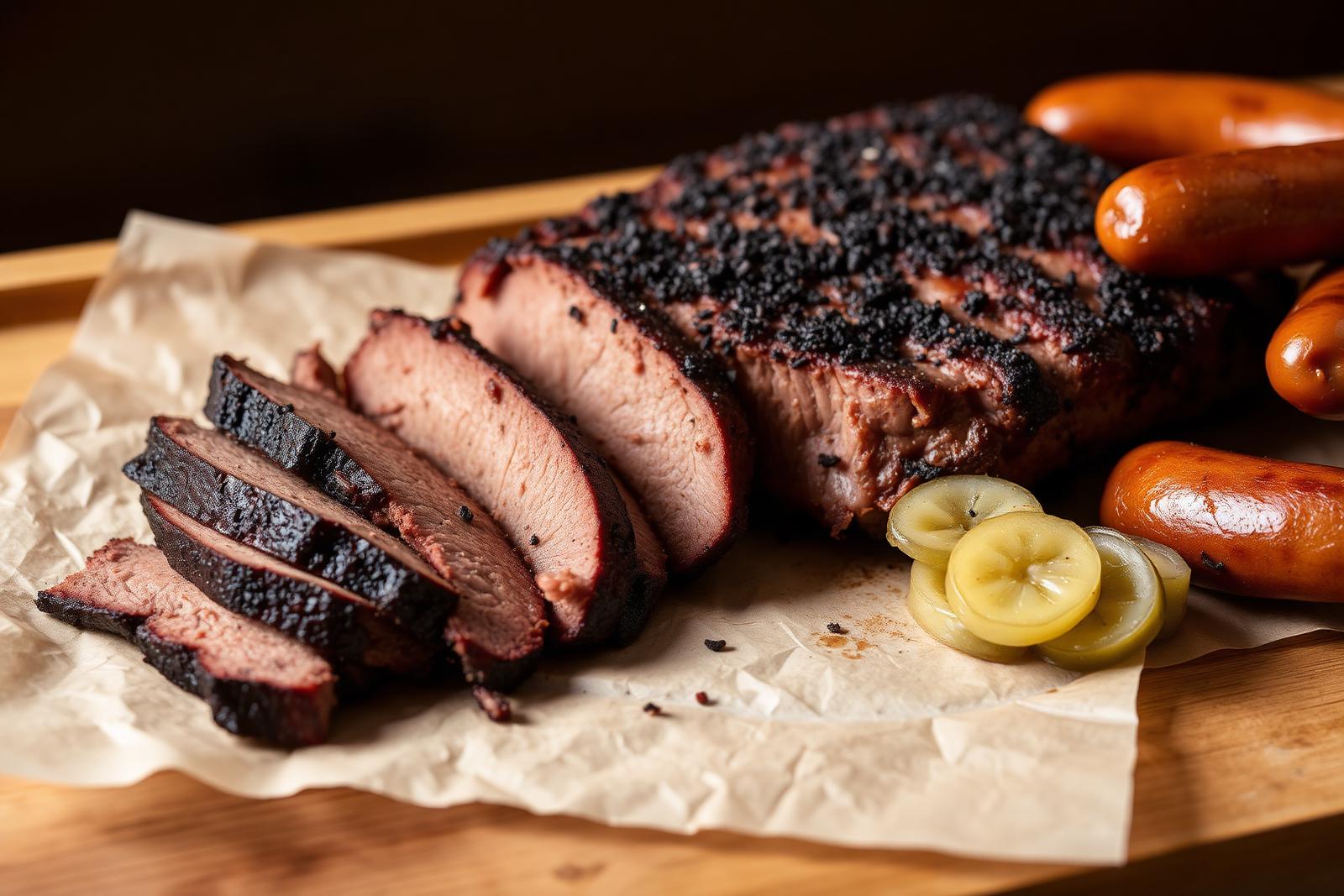
Several long-running barbecue institutions make Lockhart ideal for tasting differences in brisket, sausage, ribs and sides without spending the whole weekend driving. Order smaller portions, share when possible and walk the historic square between meals. The useful question is not which pit wins a universal ranking. Notice smoke level, bark, fat rendering, sausage texture, service style and the way each business fits the town.
A longer Central Texas food trip can add Luling, Taylor or another meat-market tradition, but avoid turning the route into five heavy meals in a day. One or two serious stops plus history, architecture or a scenic road produces a better weekend and makes the differences easier to remember.
San Antonio rewards travelers who treat breakfast, lunch and dinner differently
A San Antonio food weekend can begin with breakfast tacos or pan dulce, move through a market or neighborhood lunch and save dinner for a long-established Tex-Mex or Mexican restaurant. Puffy tacos, chili history, bakeries and regional dishes can all appear without forcing every meal into the same category. Pair food with the missions, historic neighborhoods or museums so the city remains more than a dining map.
Ask what a restaurant is known for rather than ordering the same dish everywhere. That approach respects the fact that Mexican, Tex-Mex and South Texas traditions overlap without being identical. It also makes the trip less vulnerable to arguments over which label is supposedly correct.
Houston is a neighborhood-planning problem before it is a restaurant-planning problem
Houston's food strength is range: Vietnamese, Nigerian, Indian, Pakistani, Chinese, Mexican, Cajun, barbecue, Gulf Coast and many other traditions operate across a very large metro. The mistake is choosing one restaurant from every list and spending the weekend crossing town. Pick one or two neighborhoods or corridors per day, then choose meals within that geography. The result is more eating and exploring with less time in traffic.
A Houston food weekend can also include markets, bakeries, grocery stores and coffee shops that reveal community life beyond a destination restaurant. Leave room for one unplanned recommendation from someone local. In a city this large, the meal you did not research may be the one that best explains the neighborhood.
El Paso and the Rio Grande Valley should not be collapsed into one border-food category
El Paso's Chihuahuan Desert setting and border history create a food culture that differs from San Antonio and the Lower Rio Grande Valley. The Valley has its own mix of ranching, citrus, seafood and family restaurant traditions. Both deserve trips built around place rather than a generic 'Tex-Mex' label. Travelers learn more when they let each region define its own specialties.
Pair meals with local history, markets, wildlife or scenic drives. That keeps food connected to the landscape and reduces the tendency to treat border communities as one interchangeable culinary zone. If time is short, choose one region and explore it well rather than trying to compare hundreds of miles in a weekend.
Galveston and the Gulf Coast make seafood meaningful when the waterfront remains part of the trip
A Gulf food weekend works best when seafood is paired with port history, historic districts, birding or waterfront time. The setting explains why the meal belongs there. Weather and season can change outdoor plans, so keep an indoor historical or cultural backup and avoid making one boat trip the only reason the weekend works.
Look beyond the most photographed plate. Gulf Coast food traditions can include shrimp, oysters, fish, Cajun-influenced dishes and neighborhood restaurants shaped by working-waterfront communities. Ask what is local or seasonal rather than assuming every seafood menu tells the same story.
Czech and German heritage routes are strongest when baking and sausage are paired with history
West, Fredericksburg, New Braunfels and other Central Texas communities can support food travel rooted in immigration and settlement history. Bakeries, sausage traditions, beer culture and historic architecture become more meaningful when visitors understand why those communities formed where they did. A food stop plus a museum, church, dance hall or historic district creates a richer route than a pastry-only detour.
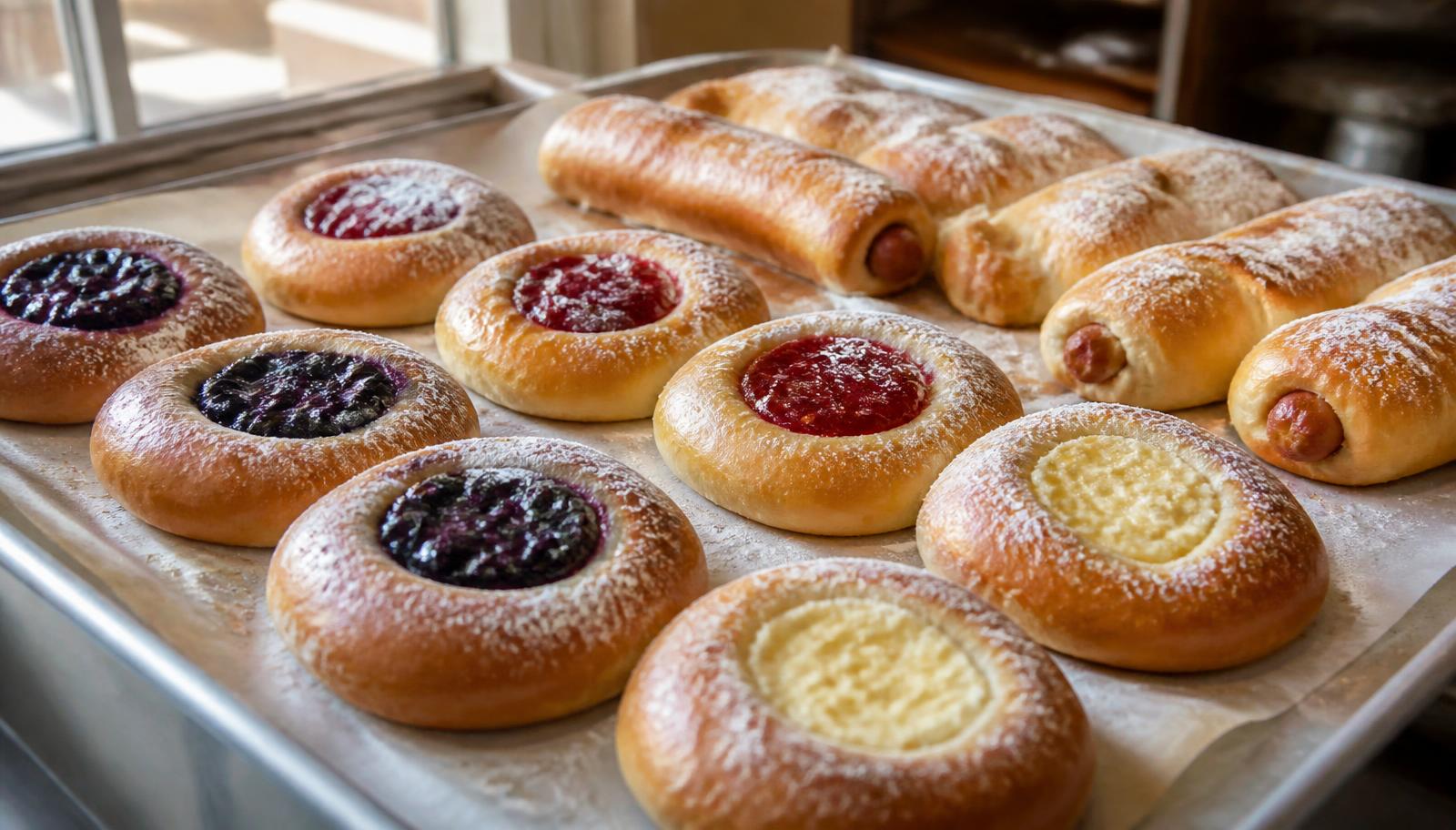
Do not get trapped by terminology arguments. The distinction between a fruit-filled kolache and a sausage-filled klobasnek matters historically, but everyday Texas usage is messy. Taste the food, learn the tradition and let the local context be more important than winning a vocabulary debate.
Use appetite and geography as hard itinerary limits
Three heavy meals in one day rarely improve a food trip. Share portions, use breakfast and bakery stops strategically and build walking or cultural activities between major meals. Also respect metro scale and highway distance. A Houston restaurant, Lockhart barbecue stop and San Antonio dinner do not belong in the same day simply because all three appear on a statewide list.
The best Texas food weekend leaves you understanding a region rather than merely remembering a reservation list. Choose one city or corridor, identify the food traditions that belong there, add one non-food anchor and keep enough appetite and time for a local recommendation you did not know about before arriving.
Primary source: Travel Texas — Eat and Drink ↗
Plan Your Visit
Places connected to this story
Destinations explicitly tied to this article in the Texas Defined guide.
Shiner · Lavaca County
Shiner
Shiner is a small Lavaca County town where Czech and German heritage, railroad history, a nationally known brewery, a painted church, local museums and a compact historic core make an unusually strong one-day or overnight Texas road-trip stop.
Best season: Fall through spring for comfortable walking and road-trip weather; brewery tours and the town's core attractions operate year-roundUpdated Sep 2026- K. Spoetzl Brewery tours and visitor campus
- Saints Cyril and Methodius Catholic Church
- Edwin Wolters Memorial Museum
Shiner · Lavaca County
K. Spoetzl Brewery
The historic Shiner brewery is a working production brewery, distillery and visitor campus in Lavaca County, with guided brewery tours, Shiner beer tastings, a gift shop, on-site barbecue, the Rickhouse restaurant and more than a century of Texas brewing history.
Best season: Year-round; spring and fall are especially comfortable for combining the brewery with downtown Shiner and other Lavaca County stopsUpdated Sep 2026- Guided working-brewery tour
- Complimentary Shiner beer pours for guests of legal drinking age
- K. Spoetzl Distillery and separate distillery tours
Lockhart · Caldwell County
Lockhart
Lockhart is a Caldwell County courthouse town whose nationally recognized barbecue tradition, ornate historic square, local museums, live arts and nearby Lockhart State Park make it a much broader Central Texas destination than a single meal stop.
Best season: Fall through spring for walking downtown and the state park; barbecue is year-round, while summer outdoor time is most comfortable early or late in the dayUpdated Sep 2026- Barbecue Capital of Texas
- Caldwell County Courthouse
- historic downtown
Fredericksburg · Gillespie County
Fredericksburg
Fredericksburg is a German-Texan Hill Country destination built around a walkable historic core, museums, independent shops and restaurants, with Texas Wine Country and major outdoor stops close enough to turn a downtown visit into a full weekend.
Best season: Fall through spring for walking Main Street and outdoor side trips; spring wildflower season and holiday weekends are especially popular and can be crowdedUpdated Sep 2026- Fredericksburg Historic District
- National Museum of the Pacific War
- Pioneer Museum


From the magazine