K. Spoetzl Brewery is both a historic Texas institution and an active production facility. The brewing operation traces its roots to the Shiner Brewing Association in 1909, when Czech- and German-Texan residents of the surrounding farm country wanted locally made beer in familiar Central European traditions. Bavarian-trained brewmaster Kosmos Spoetzl later became the defining owner and namesake, and the brewery survived Prohibition by producing legal products including near beer and ice.
A visit today is designed around seeing the brewery rather than simply stopping at a taproom. The Signature Brewery Tour takes guests through the working operation and explains how Shiner beers are made. The brewery's booking page currently describes the tour as roughly 45 minutes and includes complimentary pours for guests of legal drinking age plus branded items. Reservations are strongly encouraged because tour capacity is limited, and visitors are asked to arrive at least 15 minutes before their scheduled time.
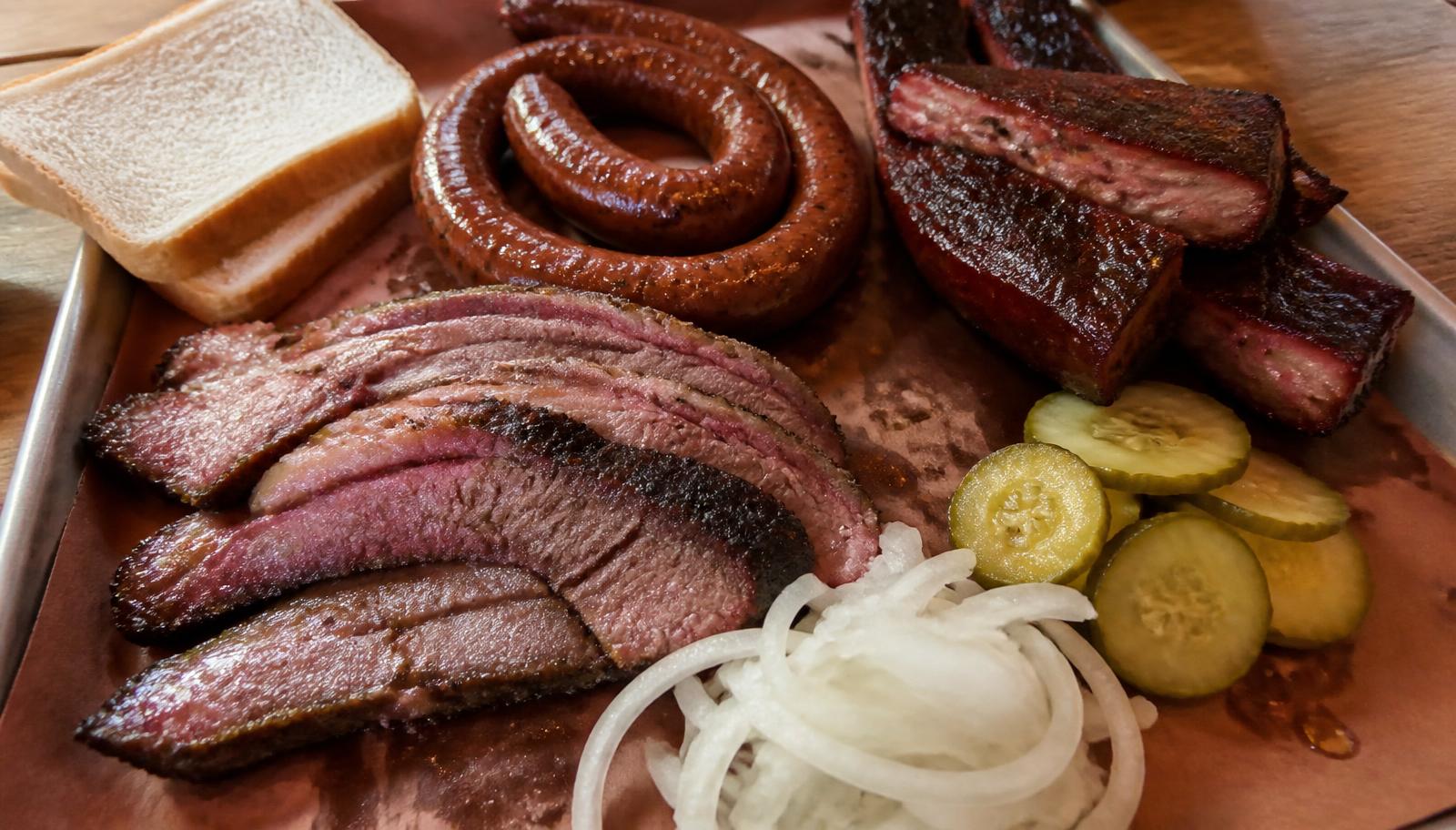
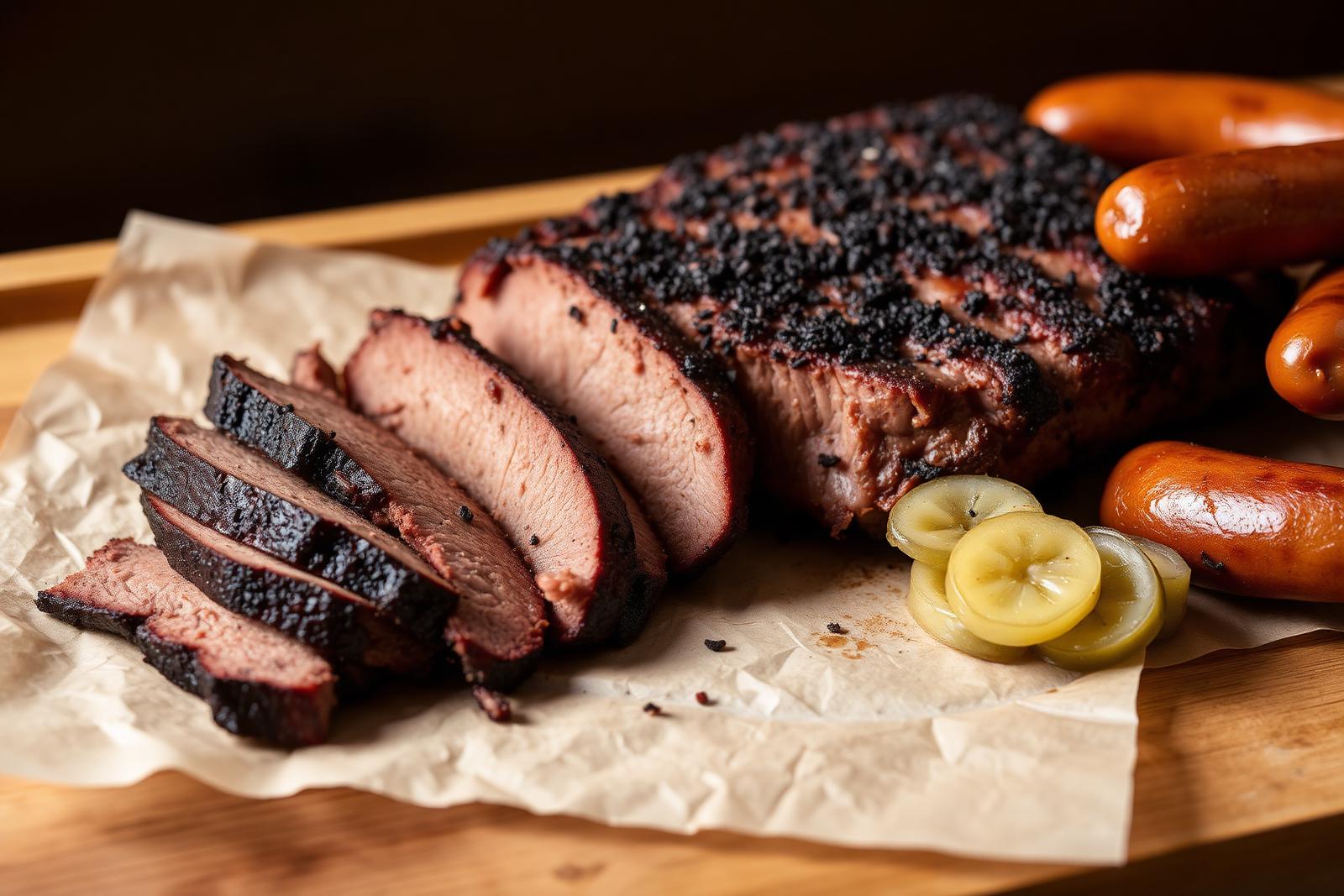
The campus has expanded well beyond beer production. K. Spoetzl Distillery operates in historic brewery space and offers separate tours and tastings, while K. Spoetzl BBQ Co. serves Texas-style smoked meats on site. Rickhouse adds a sit-down restaurant and bar focused on Texas comfort food and cocktails. The gift shop, outdoor gathering areas and brewery grounds make it possible to spend substantially more time here than the guided tour alone.
Shiner's current beer catalog is broader than Shiner Bock. The brewery's official beer pages currently surface year-round and mainstay lagers, an IPA, fruit-forward releases, high-ABV Shockwave flavors, seasonal beers, a limited dandelion-and-honey Kölsch, and two non-alcoholic brews. Because individual products rotate, the Texas Defined guide treats the official Shiner beer catalog as the source of truth and records the lineup as a dated snapshot rather than assuming every release will remain available indefinitely.
The production story still centers on Shiner itself. The brewery's official history traces the original 1909 operation to an artesian well, and the modern distillery says it uses the same malts and artesian water as the beer operation. Shiner also publishes sustainability metrics that include solar power, extensive paper and glass recycling, spent grain and yeast sent to agricultural uses, biogas from its water-treatment system used to heat brew kettles, and treated wastewater reused on nearby fields. Those are brewery-reported operating figures rather than an independent environmental score.
The brewery is also a useful starting point for understanding Shiner itself. Saints Cyril and Methodius Catholic Church, downtown Shiner and the surrounding Lavaca County landscape connect the brewery to the Czech, German, railroad, agricultural and religious history that shaped the town. A stronger trip pairs the brewery with those places instead of treating Shiner as a single-attraction stop.
Official visitor information is not perfectly static. The brewery's visit page and FAQ currently show slightly different first-tour times for some days, which is exactly why visitors should check the live reservation calendar before leaving home. Texas Defined keeps the broader planning context here, while Shiner's booking system controls same-day availability, exact tour times and current prices.