

home garden
20 Things to Do Before Your Texas Pool Meets Its First Freeze
Texas pools often stay open year-round, but a freeze plan matters long before the temperature falls below 32°F.
Many Texas homeowners do not fully close pools for winter, especially in warmer parts of the state. Instead, the critical job is preparing equipment and circulation for occasional hard freezes and power interruptions.
- Know whether your system has automatic freeze protection.
- Test freeze-protection settings before cold weather arrives.
- Keep water at the correct operating level.
- Clean baskets so flow is not restricted.
- Inspect the filter and pressure gauge.
- Confirm pump and valve operation.
- Know which pipes and equipment are exposed to wind.
- Protect vulnerable outdoor plumbing according to manufacturer guidance.
- Keep the equipment pad clear and accessible.
- Do not cover operating equipment in a way that blocks required ventilation.
- Know how to shut equipment down safely if power fails for an extended period.
- Keep manufacturer drain-plug instructions accessible.
- Check heater guidance before a freeze.
- Store loose pool accessories before severe weather.
- Trim branches that could fall onto equipment or screens.
- Continue normal chemistry testing during low-use months.
- Brush and circulate enough to prevent stagnant areas.
- Keep gates and safety barriers operational through winter.
- Have a cold-weather checklist where household members can find it.
- After a freeze, inspect carefully for leaks before assuming everything survived.
A Texas pool freeze plan starts with the forecast and equipment manuals
Texas pools use many different plumbing layouts, pumps, filters, heaters, chlorinators, automation systems and water features, so there is no safe universal valve position or drain sequence. Before freezing weather arrives, identify each installed component, locate its manual and record the manufacturer's freeze or winterization instructions. If the plumbing layout is unclear, have a qualified pool professional explain which lines and components are vulnerable before an emergency rather than learning by trial and error during a hard freeze.
National Weather Service cold-weather guidance emphasizes preparing before temperatures fall. Monitor the actual forecast instead of relying on the calendar. A brief dip near freezing is different from many hours well below 32°F. Wind can accelerate heat loss from exposed equipment even though wind chill does not lower an object below the actual air temperature. Duration, severity, equipment exposure and power reliability all influence risk.
Know what automated freeze protection can and cannot do
Many pool automation systems can run pumps when an air sensor reaches a programmed threshold. That can reduce freezing risk in plumbing that is actually receiving flow, but it is not a guarantee against damage. A closed valve, blocked line, failed sensor, tripped breaker, pump problem or utility outage can defeat the strategy. Confirm the feature is enabled and configured according to the equipment manual before the cold front, and do not assume an app showing 'on' proves every water path is moving.
Water features, booster pumps, solar loops, outdoor showers, autofill assemblies and seldom-used lines may not be protected just because the main circulation pump is running. Inventory those branches. If the manufacturer calls for isolation, draining or another procedure, follow those instructions or use qualified service. Avoid improvised valve changes during a freeze if you do not understand the plumbing because closing the wrong path can create trapped water and a new failure point.
Plan for a power outage before relying on circulation
A circulation-based freeze strategy depends on electricity. Decide in advance what the manufacturer recommends if power is lost during freezing conditions. Some systems can be safely drained at specified plugs or unions while others require a different sequence. Pressure filters, heaters and pumps can be damaged if opened, drained or restarted incorrectly. If you have not practiced the approved procedure in normal weather, call a qualified pool professional rather than improvising in darkness and freezing temperatures.
Portable generators add a separate life-safety risk. Weather and federal safety guidance warns that portable generators must operate outdoors and away from doors, windows and garages because carbon monoxide can accumulate indoors. A generator should connect only through an appropriate code-compliant setup; never backfeed a house through an improvised connection. Protecting pool plumbing is never worth creating an electrical or carbon-monoxide hazard.
Do not invent a heater-based freeze strategy
A pool heater is not automatically a freeze-protection device. Running one in extreme conditions can be inappropriate for some equipment and may not protect unheated branches of plumbing. Follow the heater and automation manufacturer's cold-weather guidance. If a heater shows an error, loses flow, smells of gas or behaves abnormally, shut it down as directed and use qualified service. Never defeat a flow switch, pressure switch, exhaust safeguard or other safety control to keep heat running.
Inspect after the thaw before returning to normal operation
When temperatures recover, look for cracked housings, displaced unions, wet areas, abnormal pressure, loss of prime and new leaks. If ice may still be present, do not force valves or start equipment against an obstruction. Water expands as it freezes, so damage can become visible only after thawing. If a component is cracked or water is reaching electrical equipment, shut the system down safely and call for service.
Use the first freeze to improve the written plan for the next one. Record what temperature triggered automation, whether all features circulated, what happened during any outage, which components were difficult to access and what a technician recommended. Keep photographs of normal valve positions and labels for shutoffs or manufacturer-approved drain points. The goal is not to turn every owner into a pool technician; it is to remove uncertainty before the next hard freeze arrives.
Separate routine cold-weather readiness from full winterization
Many Texas pools remain in service year-round, so a short freeze response is not automatically the same thing as closing a pool for an entire winter. The correct approach depends on the equipment, plumbing exposure, forecast duration, local climate and whether the property will be occupied. Do not partially drain equipment, lower water levels or change valve positions merely because another owner uses that method. A procedure that protects one layout can leave another with trapped water, loss of prime or an exposed component. Use the installed manuals and a qualified pool professional to decide which actions belong in the normal cold-weather plan and which belong only in a true winterization procedure.
Write a freeze-day checklist that another adult can follow
Before the cold front arrives, put the essential checks in order: confirm the forecast and alert methods; verify the equipment area is accessible; confirm automation time, air-temperature sensing and freeze settings against the manual; check that expected pumps and water features actually run; identify the electrical disconnects without defeating protection; and place the pool professional's contact information with the equipment records. If the plan includes a manufacturer-approved outage drain procedure, document the exact components and sequence in normal weather rather than trying to identify them during a blackout.
The checklist should also say when to stop. Evidence of a cracked housing, ice blocking a line, an electrical fault, gas odor, abnormal heater exhaust or water reaching energized equipment is a reason to shut down as safely as the manuals allow and get qualified help. Freeze protection is risk reduction, not permission to keep damaged equipment operating. After the event, inspect again during thaw and update the checklist while the details are fresh.
Primary source: National Weather Service — Prepare for Cold Weather ↗
Plan Your Visit
Places connected to this story
Destinations explicitly tied to this article in the Texas Defined guide.
Austin · Travis County
Barton Springs Pool
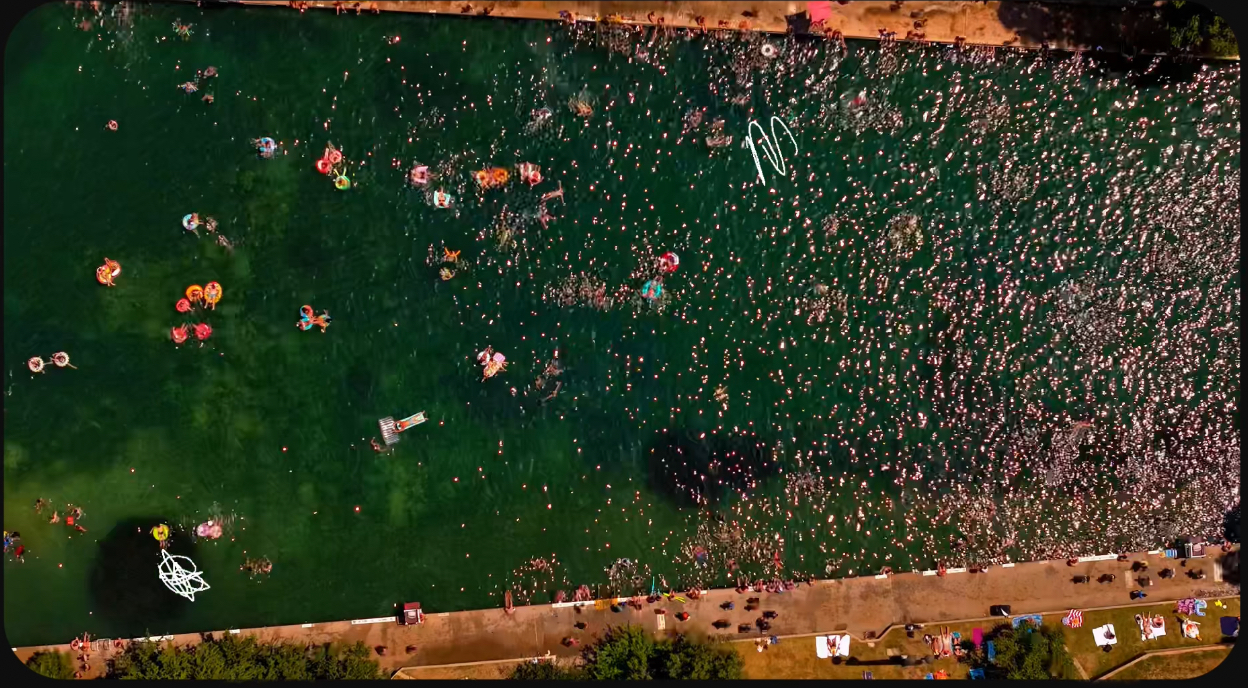
Austin's landmark spring-fed swimming pool in Zilker Park, supplied by the Edwards Aquifer and holding near 68–70 degrees year-round beneath limestone slopes and mature pecan trees.
Best season: Year-round, with summer the busiest season and cooler mornings quieter- Spring-fed year-round swimming
- Zilker Park setting
- Edwards Aquifer springs
Balmorhea · Reeves County
Balmorhea State Park
A West Texas oasis built around San Solomon Springs and the world’s largest spring-fed swimming pool, where clear 72-to-76-degree water fills a historic CCC-era park in the desert.
Best season: Year-round for the spring-fed pool; summer is busiest, while spring and fall pair swimming with milder desert weatherUpdated Oct 2026- Clear spring-fed San Solomon Springs pool and desert setting
- No lifeguard: supervised swimming, 25-foot depth and seasonal closing rules
- Separate advance-access requirements for scuba divers

From the magazine
More stories to read next
Front Porch
Texas Backup Power Guide: Portable Generators, Standby Systems, Transfer Switches and Outage Safety
August 22, 2026 · About 8 minutes
