
Outdoors & Wildlife
Bluebonnet Season, Explained
When bluebonnets bloom, where to find them, how weather changes the season, what the state-flower law actually says, and how to plan a spring trip without damaging the fields.
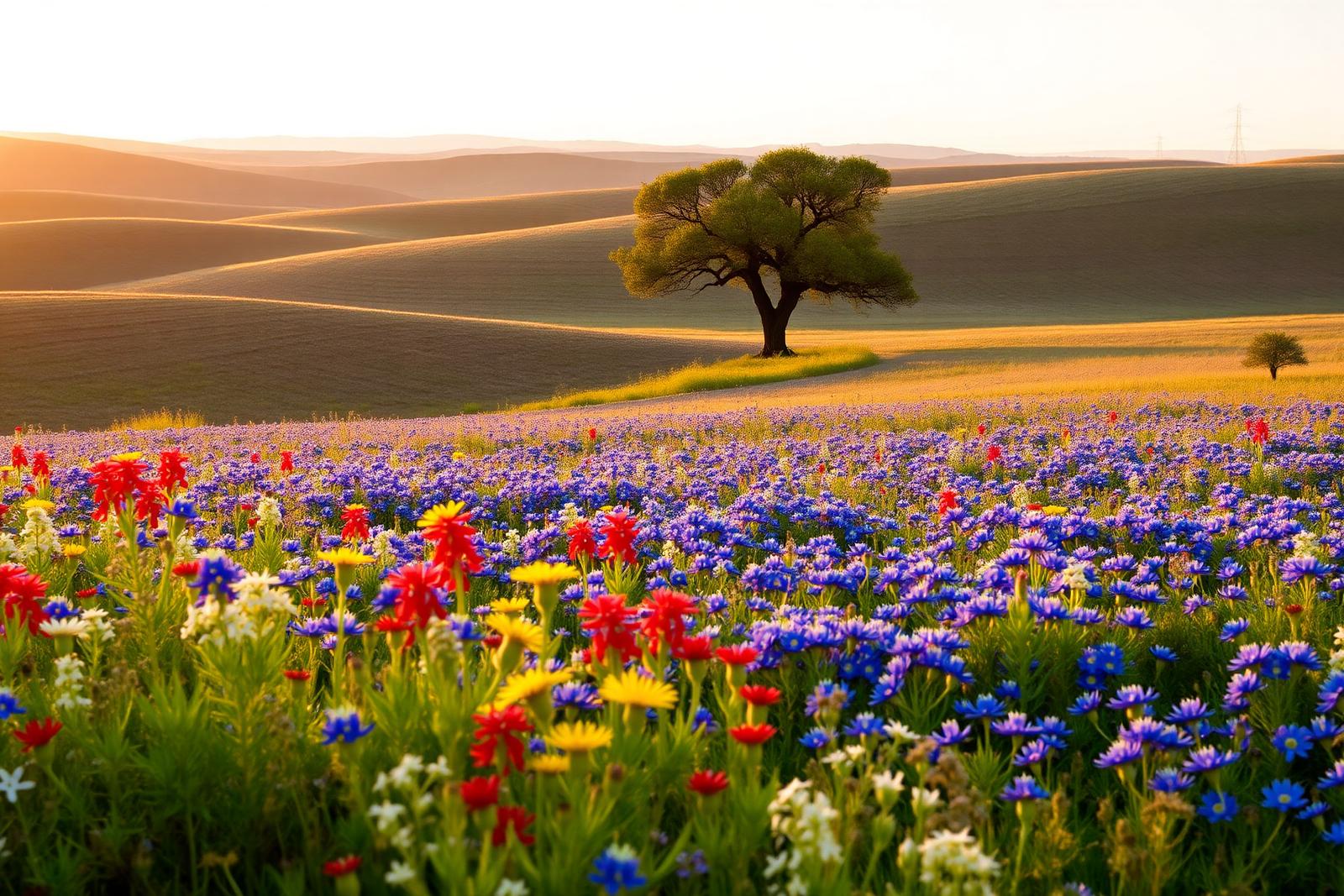
Bluebonnet season is one of the few times Texans willingly plan a weekend around a roadside. The flowers arrive in waves rather than all at once, and the best field one year may be thin the next. A good trip therefore starts with timing, recent local reports and enough flexibility to follow the bloom instead of a fixed photograph from last spring.
When bluebonnets usually bloom
Texas bluebonnets commonly flower in March and April, with the familiar Central Texas peak often falling from late March into the first half of April. South Texas and Big Bend can show color earlier, while North Texas locations such as Ennis often peak later. Rainfall, winter temperatures, late freezes and spring heat can move the window significantly.
The state flower story
The Legislature selected a bluebonnet as the state flower in 1901. Because Texans use the name bluebonnet for several lupine species, lawmakers broadened the designation in 1971 so the recognized native bluebonnets could share the honor. That legal history is one reason the flower works so well as a Texas symbol: there is not just one Texas landscape in which it belongs.
Where the strongest bluebonnet traditions developed
- Ennis and Ellis County — famous for mapped driving trails and a later North Texas bloom.
- Brenham and Washington County — farm roads, ranch country and one of the classic spring drives from Houston.
- Burnet, Llano, Marble Falls and the Highland Lakes — Hill Country roads where bluebonnets mix with granite, lakes and ranchland.
- Fredericksburg and Willow City — a dramatic but often crowded Hill Country setting.
- Muleshoe Bend and the Lake Travis area — famous when water levels and rainfall align.
- Big Bend — early-season Chisos bluebonnets against desert mountains.
Bluebonnet etiquette is mostly common sense
There is no blanket Texas law that makes picking a bluebonnet illegal, but that does not make every flower fair game. Rules can apply on parks, preserves and private property. More importantly, walking through dense patches crushes plants and seed pods, and stopping on narrow highway shoulders creates a much bigger risk than the flowers themselves.
- Use public land or places where access is clearly allowed.
- Do not cross fences or treat an unfenced-looking pasture as public.
- Park completely off the travel lane.
- Use bare paths and gaps instead of sitting directly on flowers.
- Watch for snakes, ants, uneven ground and traffic when photographing children or pets.
- Leave the field looking the way you found it.
How to track the current bloom
The most useful sources change by region. Local visitor bureaus, park managers, city bluebonnet-trail pages and recent field reports are more valuable than a statewide prediction once the season begins. Use old peak dates as a planning range, not a promise.
Frequently asked questions about Texas bluebonnets
What month is best for bluebonnets in Texas?
March and April are the main months, with Central Texas often strongest from late March into early April and northern areas often running later.
Is it illegal to pick bluebonnets in Texas?
There is no statewide law that simply bans picking bluebonnets everywhere, but property rules, park rules and other laws still apply. Leaving flowers in place is the better choice for the next visitor and for reseeding.
Primary source: Texas Parks and Wildlife Department ↗
Plan Your Visit
Places connected to this story
Destinations explicitly tied to this article in the Texas Defined guide.
Fredericksburg
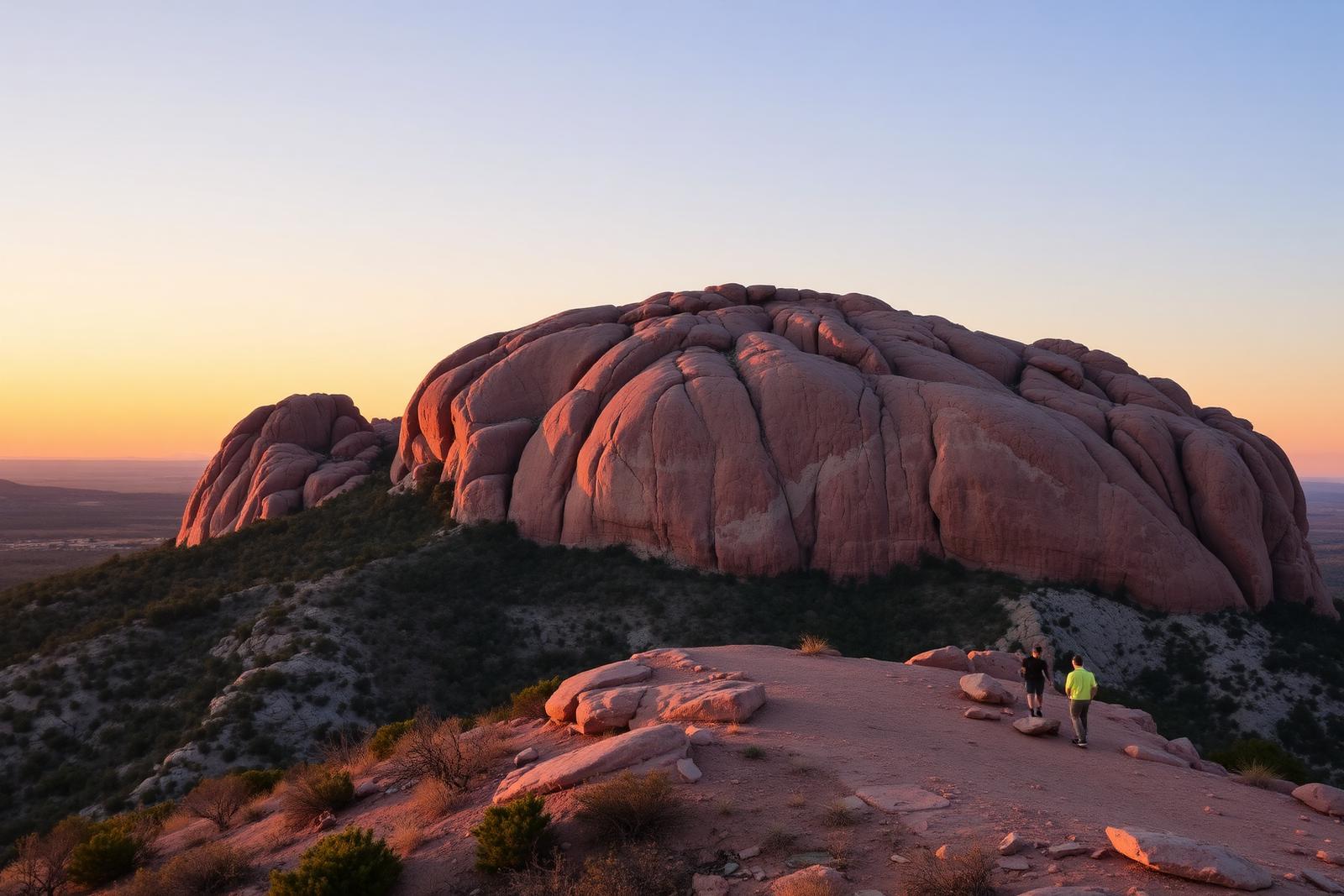
Enchanted Rock
A massive pink-granite dome in the Texas Hill Country north of Fredericksburg, with exposed-rock hiking, sweeping views, dark skies and a landscape shaped by weather, water and ancient geology.
Best season: Fall through spring for cooler exposed-rock hiking; check current heat and weather alerts year-roundUpdated Aug 2026- Summit Trail across the exposed granite dome
- Hill Country views from the high rock
- Rock formations, vernal pools and natural-area geology
From the magazine
More stories to read next
Wild Texas
Camping in Texas With Your Dog: Campsites, Park Rules, Heat and Wildlife
September 22, 2026 · About 4 minutes
