The Big Tree is a living monument shaped by coastal wind, shallow soils and centuries of change. It is a coastal live oak (Quercus virginiana) on the Lamar Peninsula. Texas Parks and Wildlife lists a trunk circumference of 35 feet 1.75 inches, an 89-foot crown spread and a height of 44 feet. The unusually broad trunk and crown make the tree exceptional even without an exact birthday.
The precise age has never been established. Older stories and some historic publicity estimate more than a thousand years, but TPWD's current nature page calls it centuries old and explicitly says the exact age is unknown. Visitors should treat pirate, hanging-tree and similar local legends as folklore unless a primary record supports them.
The tree was recognized as a champion coastal live oak in the 1960s and was later surpassed in statewide rankings. Some TPWD pages give 1966 and others 1969 for a particular champion designation. Do not choose one date as settled without checking the underlying champion-tree records.
This is not a conventional long hiking destination. Allow a short dedicated stop for viewing and photography, and do not step inside protective fencing, climb branches, attach items to the bark or disturb roots. The tree survives because the area is managed as a protected landscape.
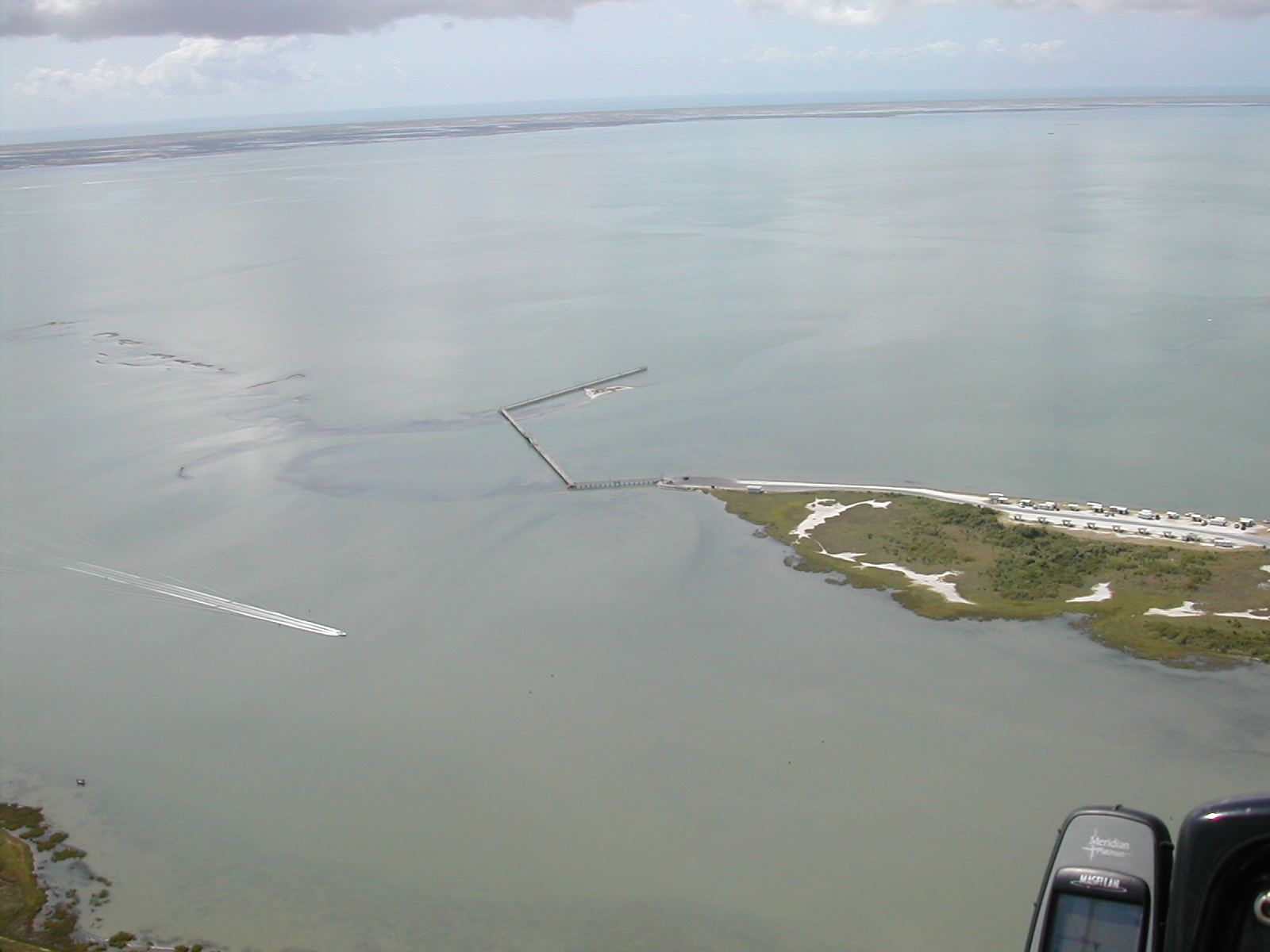
The Big Tree's wider setting matters: coastal prairie, live oak/red bay woodland, estuarine marsh and the winter habitat of the endangered whooping crane are part of the same Lamar Peninsula story. If you are combining visits, use Goose Island's pier and shoreline to interpret oyster reefs, fishing and coastal birds, not to look for a swimming beach.
Accessible parking is mentioned in TPWD program information for the Big Tree site, but TPWD has also noted that some nearby ground is flat road without a sidewalk. Confirm the exact accessible path and current surface before planning a mobility-dependent visit.