Food & Barbecue
25 Texas Foods People Will Absolutely Argue About
Beans in chili, sauce on brisket, flour versus corn tortillas and what counts as a kolache: Texas food comes with opinions.
The easiest way to start a long Texas conversation is to state a food opinion too confidently. Regional traditions overlap, family recipes matter, and Texans are perfectly capable of disagreeing about dishes they all consider part of home.
The arguments start here
- Chili with beans versus chili without beans.
- Brisket with sauce versus brisket that should not need it.
- Fatty brisket versus lean brisket.
- Beef ribs versus pork ribs.
- Sliced sausage versus whole links.
- Flour tortillas versus corn tortillas.
- Breakfast tacos versus breakfast burritos.
- Queso thickness and whether meat belongs in it.
- Puffy tacos versus crispy tacos.
- Chicken-fried steak gravy consistency.
- What exactly qualifies as Tex-Mex.
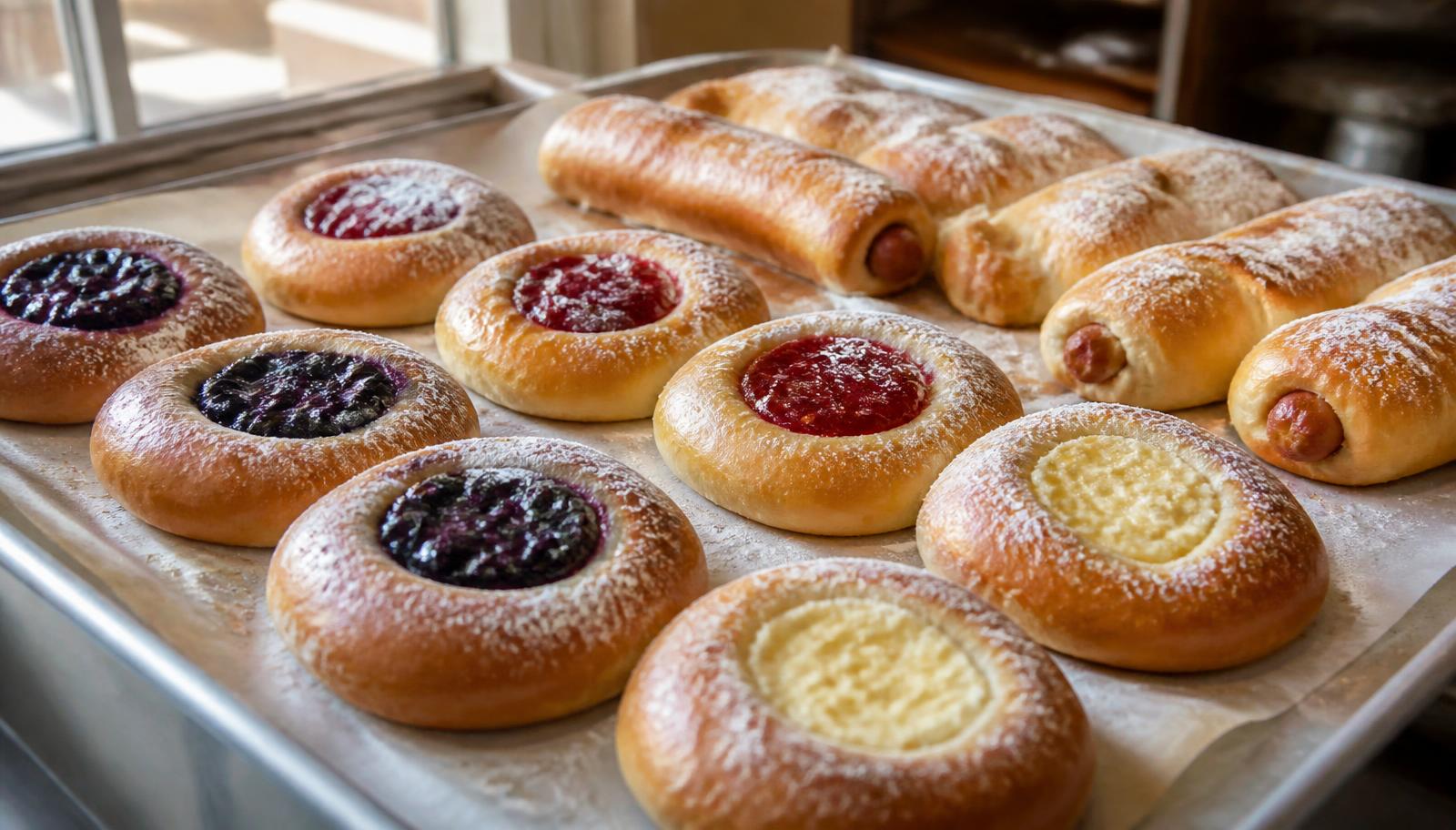
- Whether a klobasnek should be called a kolache.
- Which Czech bakery town deserves the stop.
- Pecan pie texture.
- The correct chili seasoning balance.
- Sweet tea versus unsweet tea.
- Smoked turkey as a serious barbecue order.
- Frito pie in a bowl versus in the bag.
- Texas toast thickness.
- Which city owns the breakfast taco.
- Whether barbecue should be ordered by the pound or as a plate.
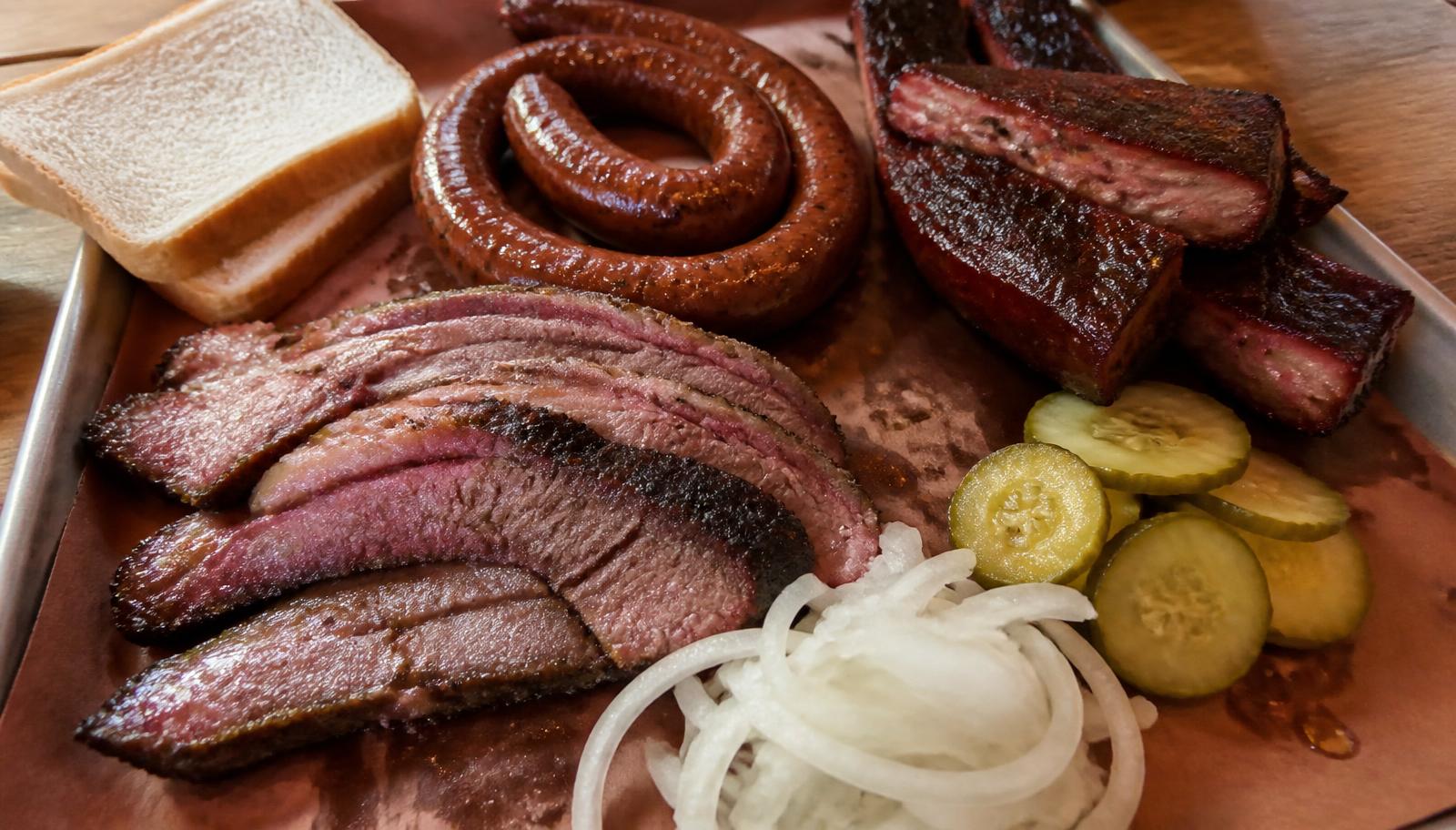
- Pickles, onions and white bread as essential barbecue sides.
- Mustard potato salad versus other styles.
- Cornbread sweetness.
- The line between a taco and a folded plate of leftovers—and why nobody really minds.
The useful takeaway for visitors is simple: try the regional version before deciding there is one correct Texas version. Food changes as quickly as the landscape does.
Most Texas food arguments are really arguments about region and memory
The state is too large for one universal food tradition. Central Texas meat-market barbecue developed differently from East Texas chopped-beef and pork traditions. South Texas and San Antonio shaped their own taco and Tex-Mex cultures. Czech and German communities left baking and sausage traditions across Central Texas. Gulf Coast seafood, West Texas chuck-wagon history and border cooking add still more layers. When Texans argue over the 'right' version of a dish, they are often defending the version tied to family or place.
That is why a visitor learns more by tasting several versions than by asking for one definitive winner. Order lean and fatty brisket at different pits. Compare flour and corn tortillas in places that make them fresh. Try chili in more than one setting. Visit a Czech bakery and learn why a fruit-filled kolache and a sausage-filled klobasnek are technically different even though everyday Texas speech often blurs the terms.
Barbecue debates reveal different ideas about what the meat should do
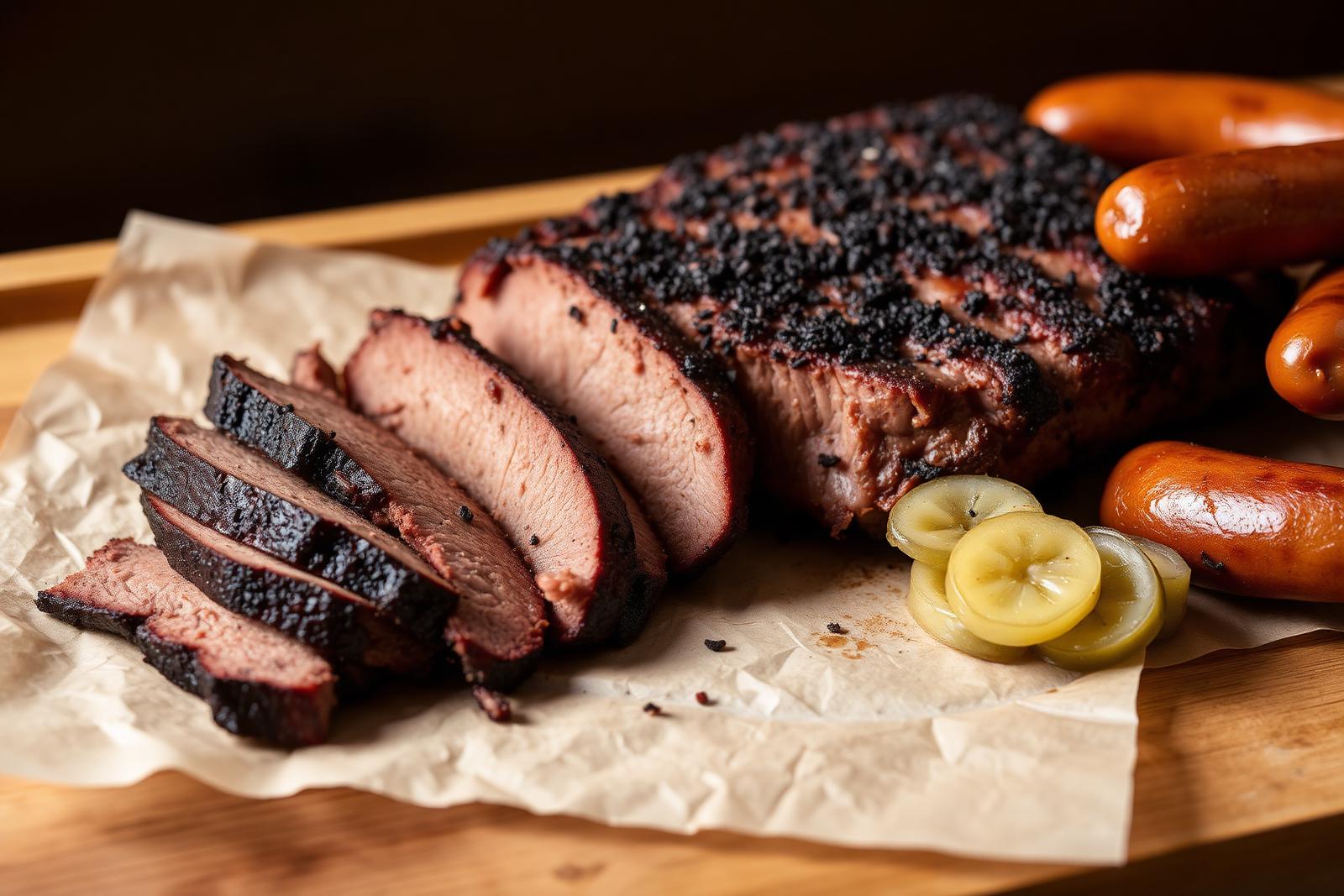
Sauce is the classic example. Some diners see sauce as part of the meal; others treat it as unnecessary when brisket is seasoned, smoked and rendered well. Fatty versus lean brisket is another choice disguised as a dispute: the point and flat offer different textures, and a good counter can usually serve both. Sausage, ribs, turkey and sides create the same pattern. The useful question is not which preference is morally correct but what style a particular pit is trying to execute.
Even side dishes carry local expectations. Pickles, onions and white bread are familiar companions at many barbecue counters because they cut richness and require no elaborate preparation. Potato salad, beans, slaw and desserts vary widely. A plate that looks incomplete to one Texan may look exactly right to another.
Tex-Mex arguments are often boundary arguments
Breakfast tacos versus burritos, puffy versus crispy tacos, queso consistency and the meaning of 'Tex-Mex' all raise the same question: where does one food tradition end and another begin? In practice those boundaries move. Restaurants borrow ideas, families adapt recipes and cities develop specialties that outsiders later treat as statewide standards.
For travelers, that fluidity is useful. Instead of ordering the same dish in every city, ask what a restaurant or town is known for. San Antonio, the Rio Grande Valley, Houston, Austin, El Paso and smaller communities can all offer different answers to the question 'What should I eat in Texas?'
How to turn the argument into a food road trip
Pick one debate and compare it across two or three stops rather than trying to settle 25 arguments at once. Build a barbecue day around brisket and sausage, a bakery loop around Czech and German communities, or a taco weekend that compares neighborhoods and cities. Keep notes on texture, seasoning, smoke, tortilla style and regional specialties. The point is not to crown Texas's only correct version; it is to understand why so many versions inspire loyalty.
Filed under
Plan Your Visit
Places connected to this story
Destinations explicitly tied to this article in the Texas Defined guide.
Lockhart · Caldwell County
Lockhart
Lockhart is a Caldwell County courthouse town whose nationally recognized barbecue tradition, ornate historic square, local museums, live arts and nearby Lockhart State Park make it a much broader Central Texas destination than a single meal stop.
Best season: Fall through spring for walking downtown and the state park; barbecue is year-round, while summer outdoor time is most comfortable early or late in the dayUpdated Sep 2026- Barbecue Capital of Texas
- Caldwell County Courthouse
- historic downtown

From the magazine