Food & Barbecue
25 Texas Foods You Need to Try at Least Once
Brisket is only the beginning. This is a Texas eating list built around the foods, communities and road-trip traditions that actually shape the state.
Texas food makes more sense as a map than a ranking. Cattle country, Gulf seafood, Mexican and Tejano cooking, Czech and German immigration, Southern traditions and modern city food scenes all contribute.
The essential 25
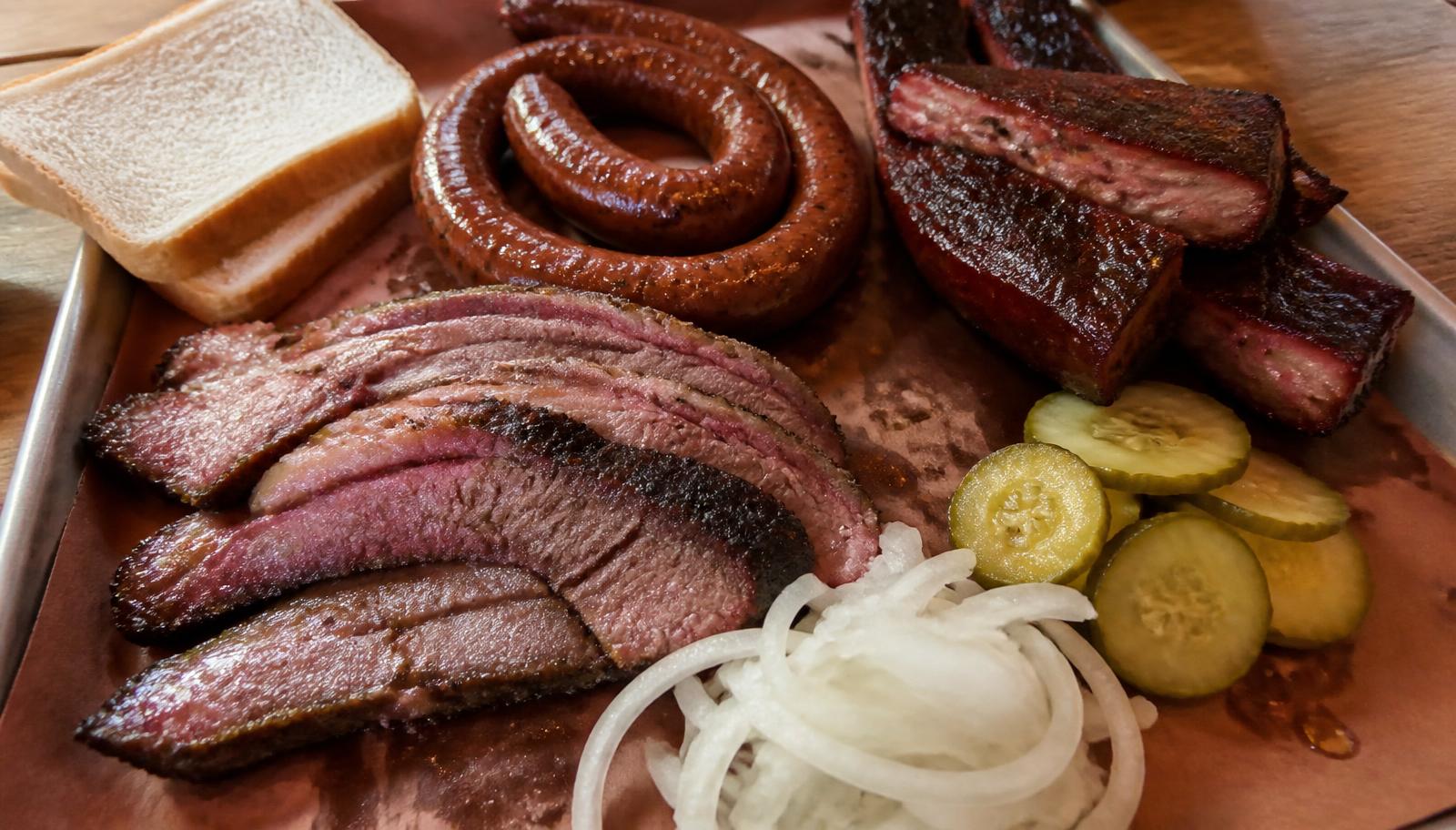
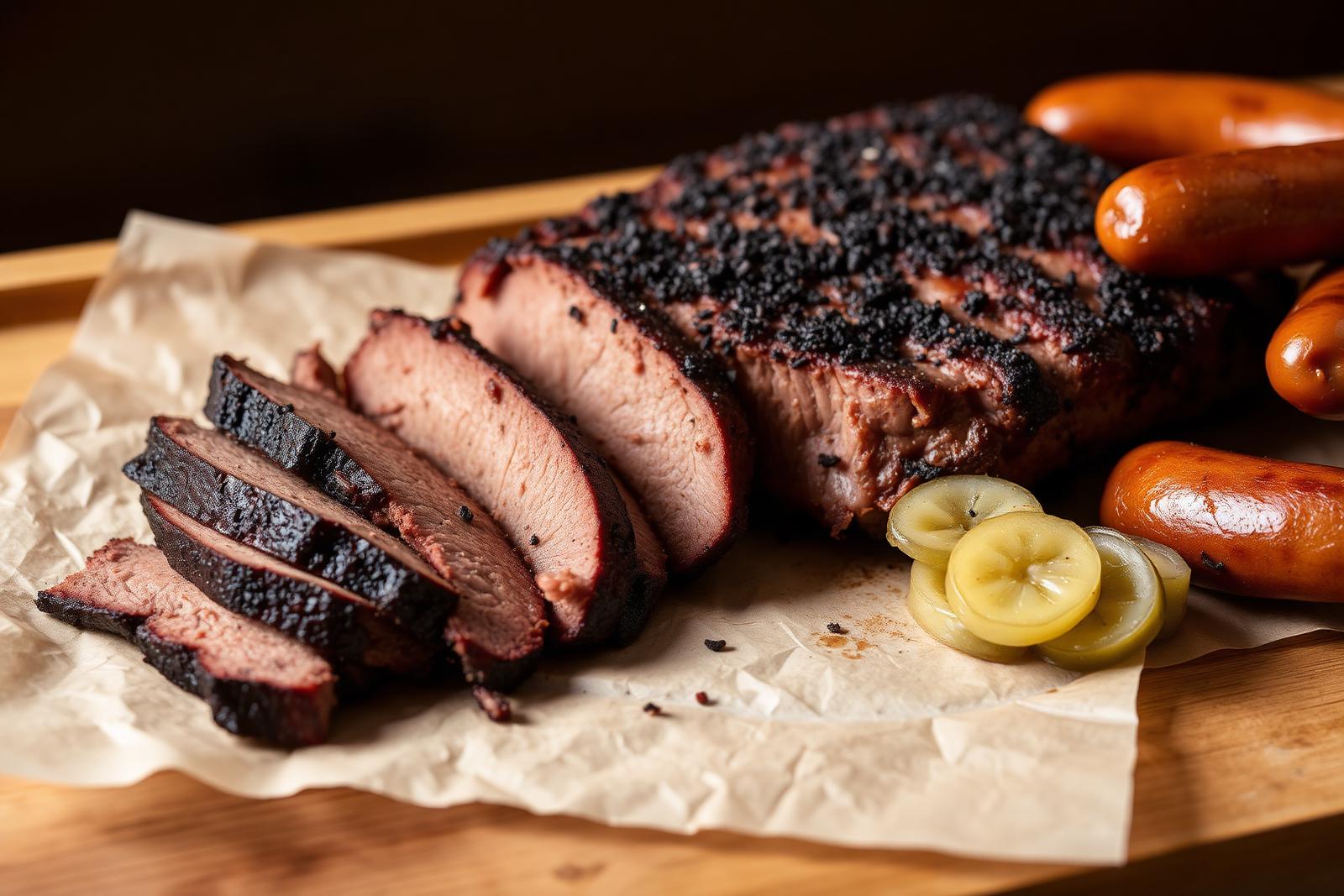
- Central Texas smoked brisket
- Beef ribs
- Texas sausage links
- Chopped beef sandwich
- Breakfast tacos
- Queso
- Cheese enchiladas with chili gravy
- Carne guisada
- Fajitas
- Puffy tacos
- Barbacoa
- Chili con carne
- Chicken-fried steak
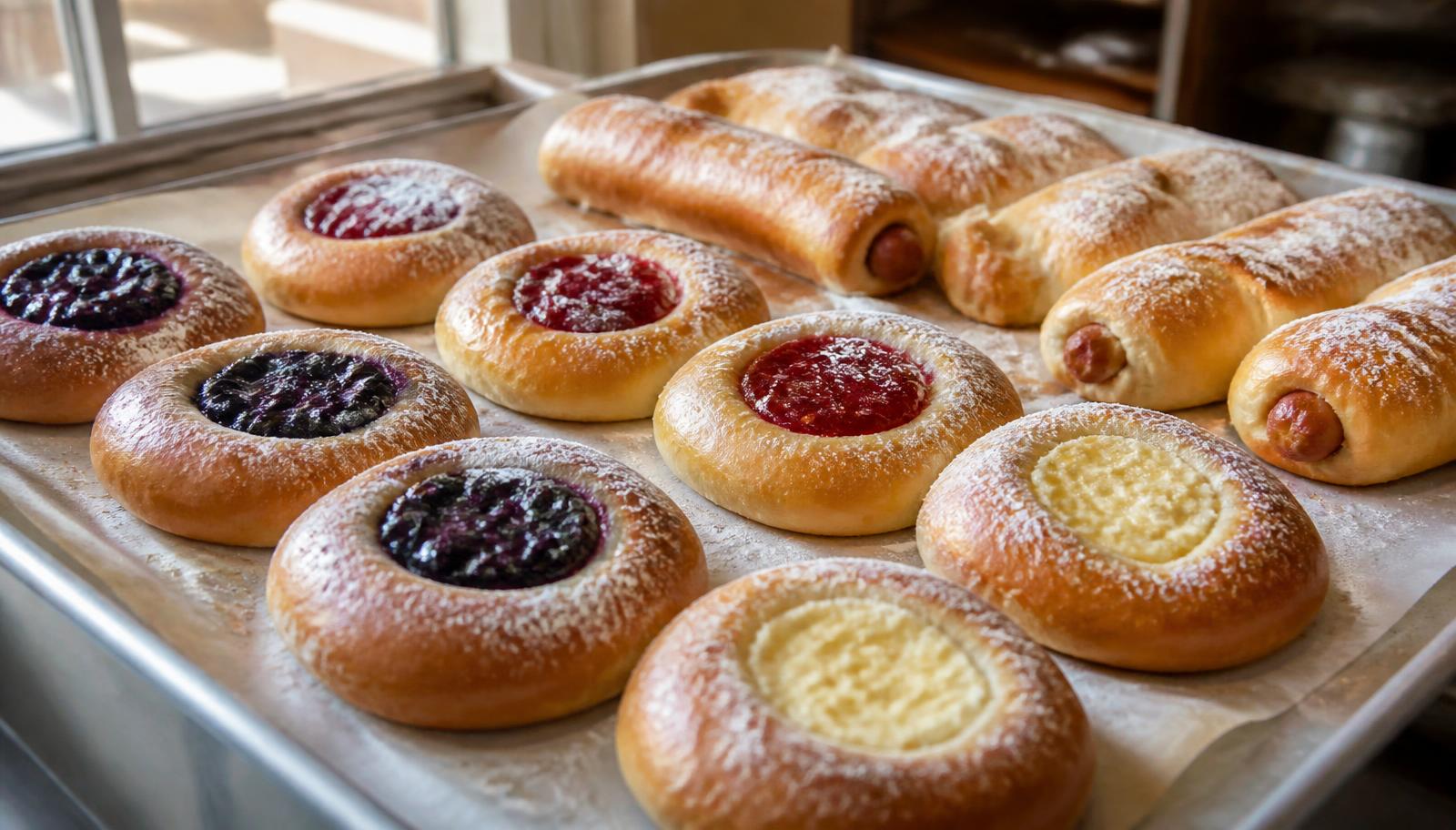
- Kolaches
- Klobasneks
- Pecan pie
- Gulf shrimp
- Fried catfish
- Texas sheet cake
- Frito pie
- Corny dogs
- Smoked turkey
- Tex-Mex combination plates
- Fresh flour tortillas
- Salsa and roasted-chile specialties
Do not turn the list into a single-city checklist
Some foods are statewide; others are better understood in the communities that made them famous. A food trip through Lockhart or Taylor tells a different story from San Antonio, Houston, the Rio Grande Valley or the Czech-influenced stops along Interstate 35.
Barbecue deserves patience
The famous places can draw lines, but smaller smokehouses can be just as revealing. Order by the pound, try more than brisket and pay attention to sausage, sides and local style.
Tex-Mex is not a consolation prize
Queso, chili gravy, breakfast tacos and combination plates are part of Texas culinary history in their own right. They are not simply substitutes for interior Mexican cooking.
Road-trip food counts
Bakeries, meat markets, convenience stores, courthouse-square cafes and roadside stands are part of the Texas food experience. Leave room in the itinerary for places you did not plan.
Taste Texas by region instead of chasing a single definitive dish
Texas food is strongest when the geography stays attached to it. Central Texas barbecue developed around meat markets and smokehouses. Gulf Coast towns make seafood part of ordinary regional cooking. South Texas and San Antonio are central to taco and Tex-Mex traditions. Czech and German communities left bakery and sausage traditions across Central Texas, while East Texas cooking overlaps with broader Southern foodways.
A traveler can turn that variety into a route. Compare brisket and sausage at more than one barbecue stop, pair a Czech bakery with a courthouse town, order regional Mexican or Tex-Mex dishes in San Antonio or the Valley, and make room for seafood when the itinerary reaches the coast. The point is comparison, not finding the one restaurant that supposedly represents an entire state.
Learn the dish before arguing about the label
Texas food vocabulary can be confusing because everyday usage and culinary history do not always match. A sausage-filled pastry may be casually called a kolache even though klobasnek is the more precise Czech-Texas term. Barbecue preferences vary by region and pit. Chili, queso, breakfast tacos and chicken-fried steak all produce strong opinions because families and cities develop their own expectations.
Visitors get more from these debates by asking what a restaurant is trying to do well. Is the tortilla made in-house? Is the sausage part of a local tradition? Is the barbecue joint known for brisket, ribs or another meat? Is the seafood tied to Gulf catch and coastal cooking? Those questions lead to better meals than chasing a universal ranking.
Use food as a way into Texas history
Texas cuisine reflects Indigenous, Mexican, Tejano, Black, Southern, German, Czech and other immigrant influences, as well as ranching, agriculture and Gulf trade. A food road trip can therefore double as a history trip when it includes the towns, markets and communities that shaped what is on the plate.
Leave enough room in the schedule for local recommendations. The unexpected bakery, taco counter or small-town lunch stop often explains a region better than a famous destination booked months in advance.
Build a food itinerary by meal and geography
A statewide food trip becomes manageable when each stop has a purpose. Breakfast might be tacos in San Antonio or South Texas, lunch a Czech-Texas bakery stop in Central Texas, dinner barbecue in a town with a strong pit tradition, and the next day Gulf seafood near the coast. This is more useful than stacking several famous restaurants serving the same style into one day and spending the rest of the trip in line.
The official Travel Texas food-and-drink guide reflects the breadth of the state's dining scene, from barbecue and tacos to international cooking, breweries and wineries. Use that breadth as permission to compare regions. Houston's global restaurant culture, the Valley's border foodways, Central Texas smokehouses and Gulf Coast seafood all belong in the Texas food story without needing to compete for one statewide crown.
Know what can change before you drive across the state for a meal
Small restaurants and barbecue joints can sell out, close between service periods or change hours by day. Before making a long detour, verify the current schedule directly and identify a backup nearby. For destination dining, treat the town itself as part of the outing: pair the meal with a courthouse square, museum, historic district, market or park so the trip still works if a line is longer than expected.
Food safety and alcohol rules are not reasons to overcomplicate a trip, but they are reasons to plan transportation. If tasting beer, wine or spirits is part of the itinerary, designate a driver or use local transportation where available. In summer, do not leave perishable takeout sitting in a hot vehicle while sightseeing. The practical details protect the experience rather than distracting from it.
A useful Texas food bucket list should teach comparison
Instead of declaring one brisket, taco or pie the final answer, build the list around contrasts: smoked beef and sausage, flour and corn tortillas, Gulf seafood and inland ranch cooking, old market traditions and new immigrant restaurants. Note what the region, technique and community contribute. That turns a listicle into a repeatable way to understand why Texas food changes as the road changes.
A traveler who leaves Texas knowing the difference between several regional food traditions has learned more than a traveler who only collected famous names. The best guide should help readers choose a route, understand what they are tasting, verify current hours and connect the meal to the town around it.
Order with the restaurant's specialty in mind rather than forcing every stop into the same comparison. A smokehouse may be strongest at brisket or sausage, a bakery at a particular Czech-Texas pastry, a Gulf restaurant at seasonal seafood, and a taco shop at a house tortilla or regional filling. Asking what a place is known for keeps the trip focused on craft and local context instead of turning every meal into a ranking contest.
Primary source: Travel Texas — Food & Drink ↗
Plan Your Visit
Places connected to this story
Destinations explicitly tied to this article in the Texas Defined guide.
Lockhart · Caldwell County
Lockhart
Lockhart is a Caldwell County courthouse town whose nationally recognized barbecue tradition, ornate historic square, local museums, live arts and nearby Lockhart State Park make it a much broader Central Texas destination than a single meal stop.
Best season: Fall through spring for walking downtown and the state park; barbecue is year-round, while summer outdoor time is most comfortable early or late in the dayUpdated Sep 2026- Barbecue Capital of Texas
- Caldwell County Courthouse
- historic downtown

From the magazine