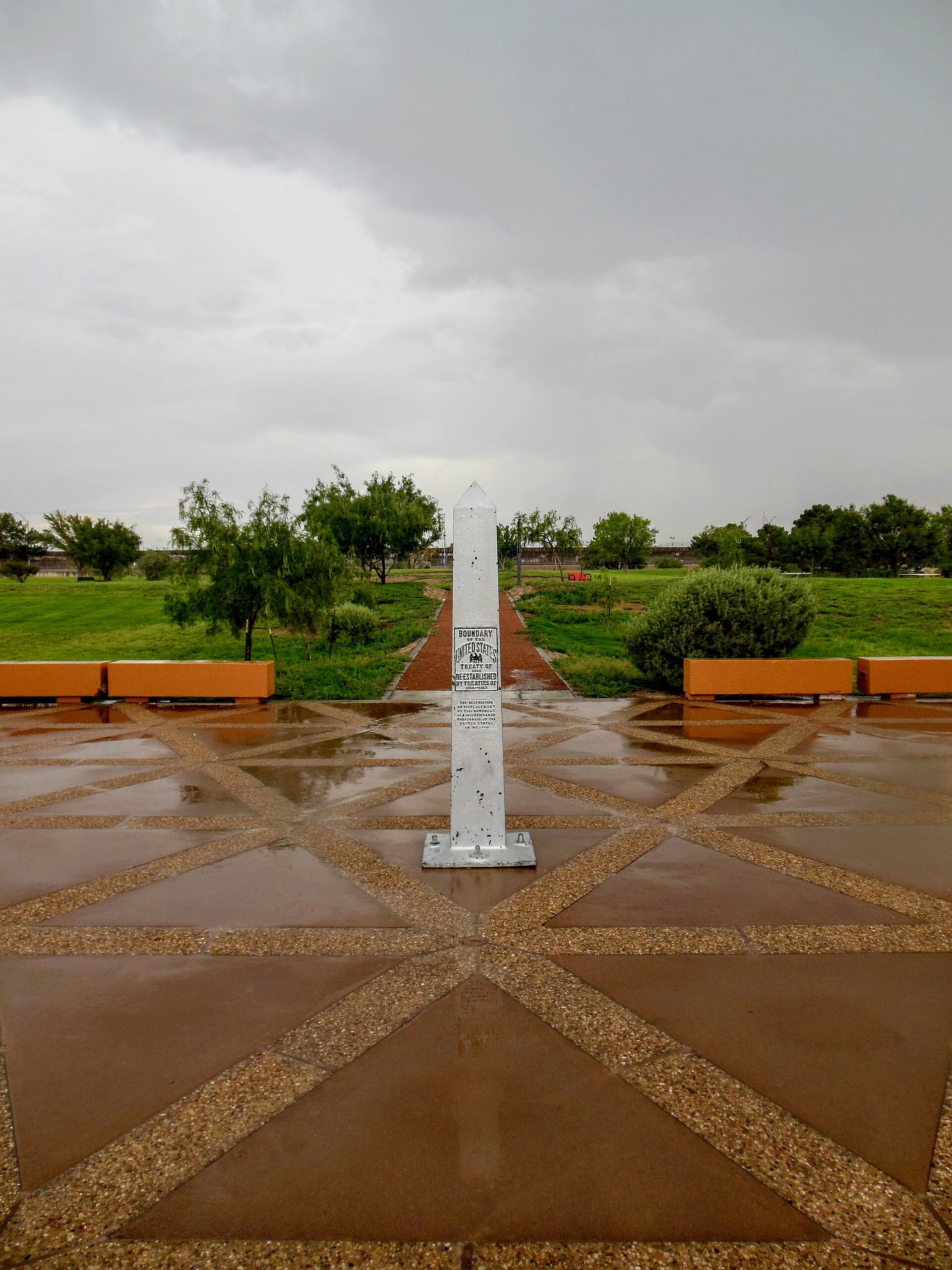
The Rio Grande did not always run through El Paso where it does today. The 1848 Treaty of Guadalupe Hidalgo established the river as part of the U.S.–Mexico boundary, but floods and the river’s moving course left ownership uncertain. A major 1864 flood shifted the river south, putting land known as El Chamizal on the U.S. side of the water even as Mexico contested the boundary. Later agreements distinguished slow erosion from sudden channel changes, but they did not settle the Chamizal claim.
The nations submitted the dispute to a three-member arbitration panel in 1911. Mexican and Canadian representatives reached a majority decision that favored Mexico’s claim to part of the land, but the United States rejected the award. Cordova Island—Mexican territory separated from the main Mexican side by an altered channel—made the geography even more complex. Presidents John F. Kennedy and Adolfo López Mateos restarted negotiations in 1962; the Chamizal Convention was signed on August 29, 1963, during John F. Kennedy’s presidency. The treaty entered into force on January 14, 1964, and President Lyndon B. Johnson oversaw its implementation.
Implementing the settlement required a new channel, international land transfers and large-scale neighborhood changes. After further agreement and construction, water entered the relocated Rio Grande channel in 1968. About 5,000 El Paso residents, plus businesses, had to relocate from the affected area. That upheaval is part of the memorial’s history: peaceful international diplomacy did not mean the outcome was painless for families living on the land.
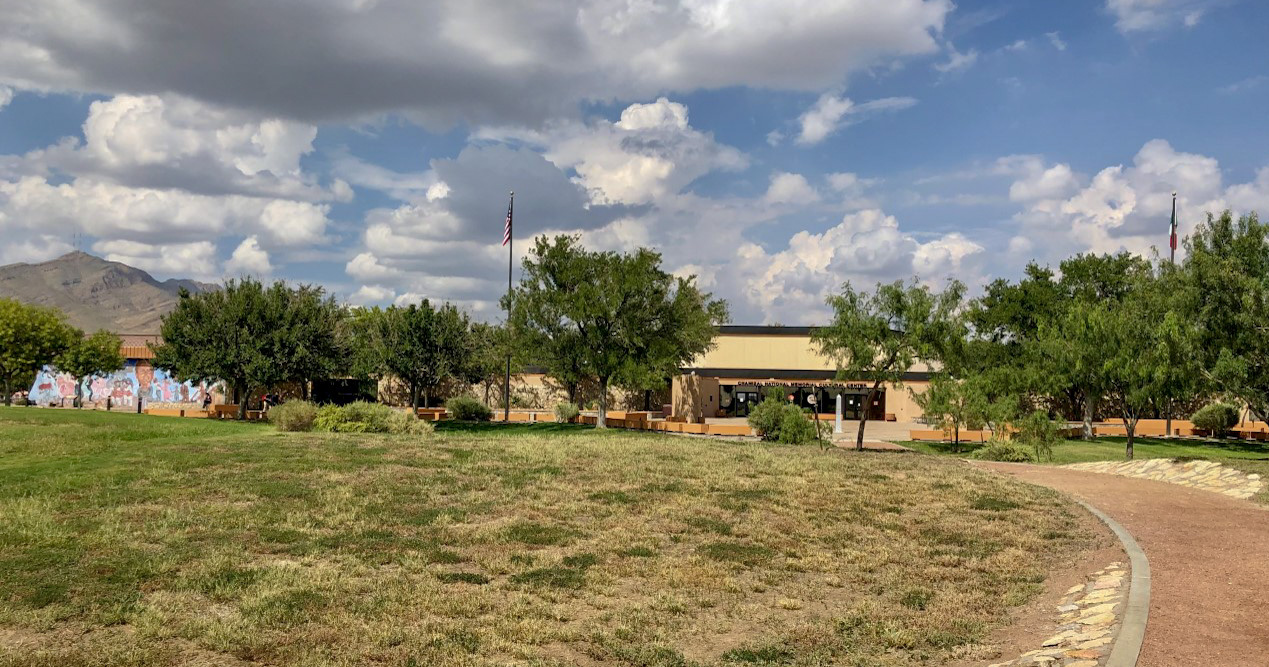
Chamizal is therefore a place for history and cultural exchange, not a wilderness park. Inside the Cultural Center, museum exhibits and an orientation film explain the boundary story; the Abrazos Gallery and park programs connect it to living borderlands art. Outside, look for the colorful Nuestra Herencia mural, the sculpture of Mexican president Benito Juárez, the outdoor amphitheater and walking routes across the memorial grounds. Programs and exhibits change, so check the official calendar if a particular performance matters to your trip.
Plan a typical Cultural Center-and-grounds visit for approximately 60–90 minutes, allowing longer for a performance or a close study of the exhibitions. The memorial charges no admission fee. Visit the Cultural Center Tuesday through Saturday from 10 a.m. to 5 p.m.; on Sunday and Monday, the grounds may be open while the museum is closed. Open grounds are generally available daily from 7 a.m. to 7 p.m., except the three major closure holidays. Enter through San Marcial Street or Delta Drive, never leave a vehicle after gate closing, and carry water and sun protection when walking outside. The Cultural Center doors are roughly 500 feet from accessible parking along an uncovered approach.