texas history
50 Things That Define Texas
Not clichés—places, foods, landscapes, habits, history and traditions that help explain what Texas actually feels like on the ground.
Texas is too large and too varied to be reduced to boots, barbecue and oil wells. Those symbols matter, but the state is better understood as a network of landscapes, communities, foods, public rituals and historical layers.
Land and distance
- Big Bend desert
- Guadalupe Mountains
- Palo Duro Canyon
- Hill Country limestone rivers
- East Texas pine forests
- Gulf Coast marshes and beaches
- South Texas brush country
- Panhandle plains
- Long two-lane highways
- County courthouse squares
Food
- Smoked brisket
- Texas sausage
- Breakfast tacos
- Queso
- Chili con carne
- Chicken-fried steak
- Kolaches and klobasneks
- Pecan pie
- Gulf seafood
- Roadside meat markets and barbecue joints
Traditions and public life
- Friday-night high school football
- Rodeos
- Historic dance halls
- State Fair of Texas
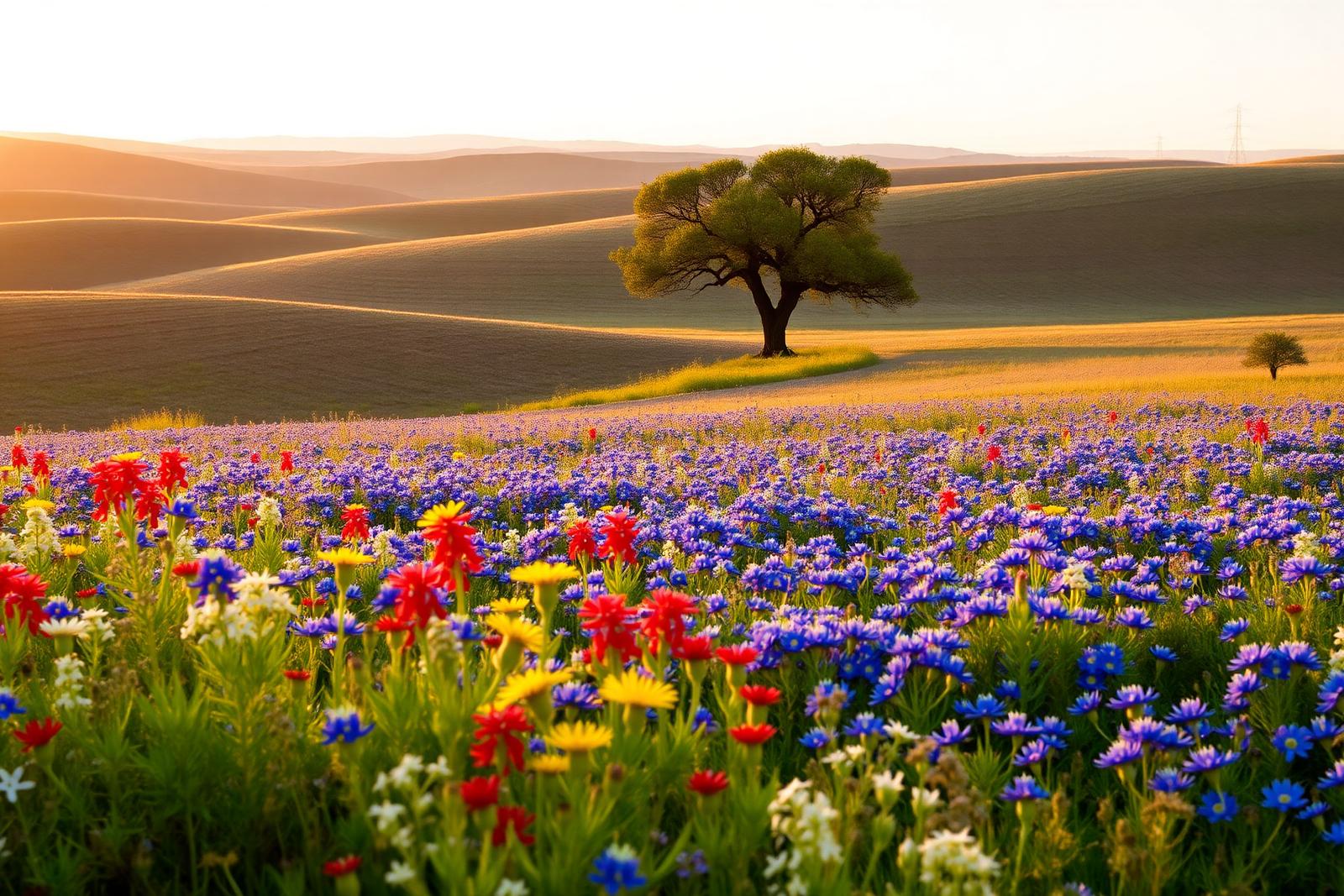
- Bluebonnet photos
- County fairs
- Homecoming mums
- Ranching traditions
- Texas flags everywhere
- Road trips measured in hours rather than miles
History
- Indigenous Texas history
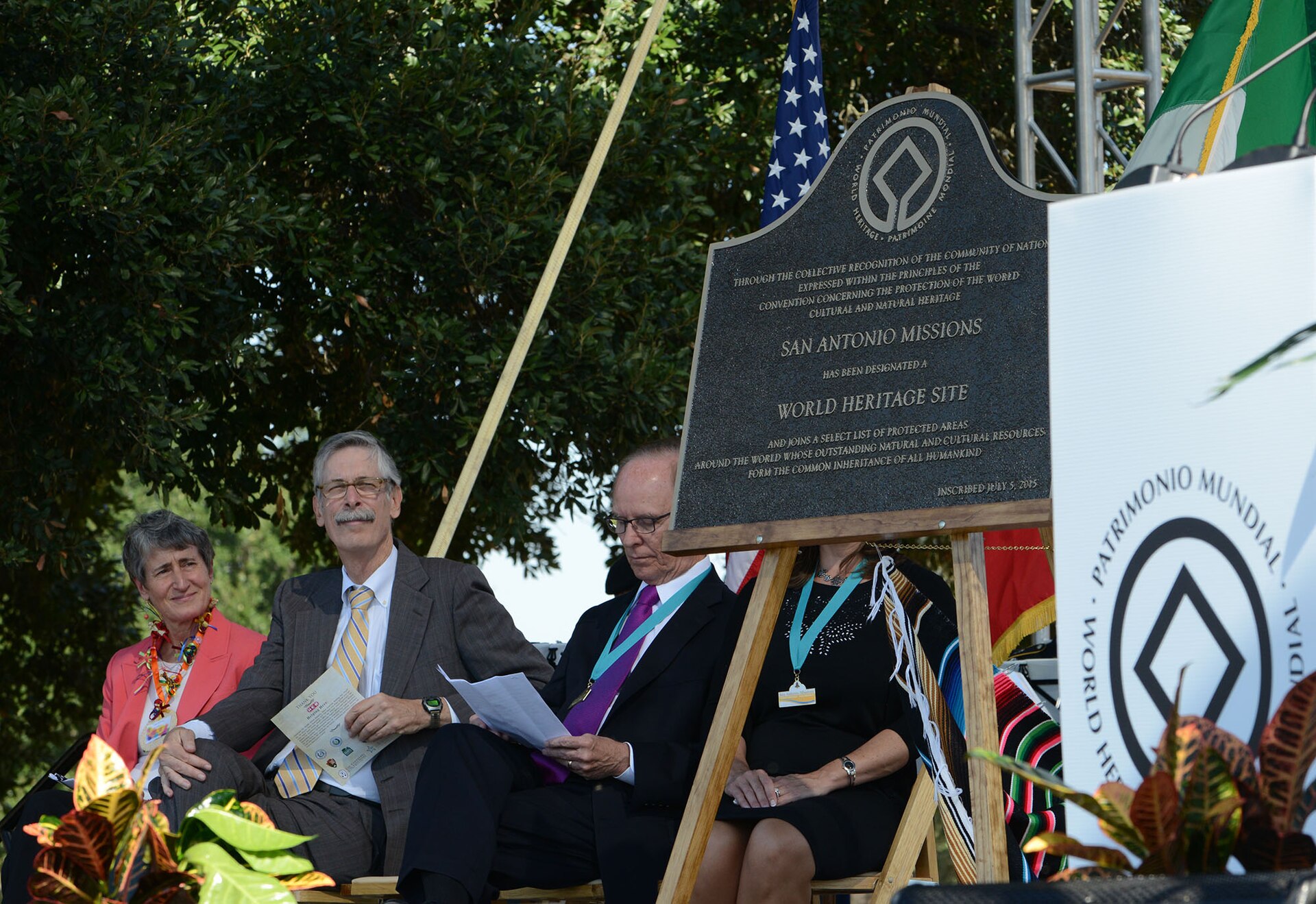
- Spanish missions
- Mexican Texas
- Texas Revolution
- Republic of Texas
- German and Czech settlement
- Cattle drives
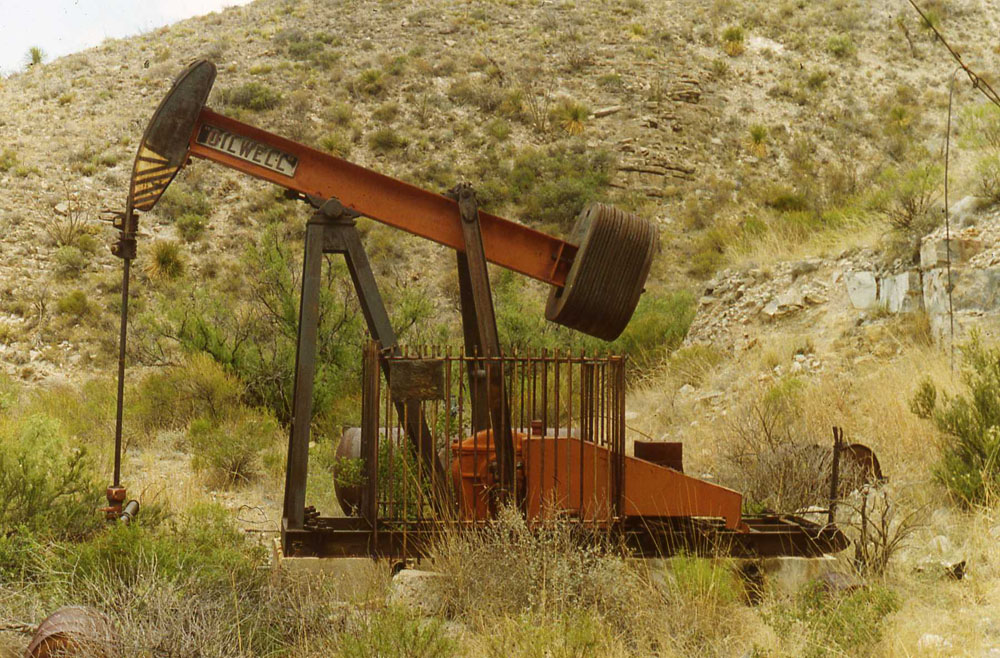
- Oil booms
- Military installations
- Space exploration in Houston
Modern Texas
- Houston's international food culture
- Austin music and technology
- Dallas-Fort Worth scale
- San Antonio's missions and Tejano culture
- El Paso's border identity
- Rapid-growing suburbs
- Energy production
- Major college-sports rivalries
- State parks and outdoor recreation
- The constant argument over what Texas is becoming
The real answer is in the connections
What defines Texas is not any one item on this list. It is the way barbecue connects to immigrant history, football connects to town identity, water connects to growth, highways connect distant regions and historic symbols keep appearing in modern life. Follow the deeper guides below to explore those connections one subject at a time.
Texas identity comes from overlapping regions and histories
Texas is easiest to understand when statewide symbols are paired with regional stories. The Lone Star, bluebonnets and the state outline are recognizable everywhere, but daily culture changes between the border, Gulf Coast, Piney Woods, Hill Country, Panhandle, major metros and desert west. Those regions were shaped by different economies, migration patterns, landscapes and neighboring cultures.
The result is an identity that can hold barbecue and tacos, ranching and spaceflight, oil fields and wind farms, courthouse squares and global cities at the same time. A good definition of Texas should make room for those contrasts instead of treating one familiar image as the whole state.
Public places keep history visible
Historic courthouses, missions, forts, dance halls, railroad depots, schools, churches and markers keep older layers of Texas visible in ordinary travel. The Texas Historical Commission describes historic preservation as a way to protect the real places that tell the state's stories and connect community identity with economic and educational value.
Those places matter because Texas identity is not only something printed on merchandise. It is maintained in buildings, landscapes, festivals, food traditions, music venues and local institutions that people continue to use.
Scale shapes the culture as much as symbolism does
Long distances encourage road-trip habits and strong regional centers. Drought and storms make weather part of planning. The number of counties preserves a strong county-seat geography. Agricultural, energy and military landscapes remain visible from highways. Even the ordinary question of how far away something is often gets answered in hours rather than miles.
What defines Texas, then, is not one slogan. It is the accumulation of place, history, institutions and habits that remain recognizable even as the state grows and changes.
Official symbols are a record of what Texans choose to recognize
The Texas State Library and Archives Commission maintains a legislatively documented list of state symbols. Some, such as the bluebonnet and mockingbird, are widely recognized; others identify foods, animals, music, plants, sports and cultural practices. Taken together, they show that Texas identity is continuously interpreted and formalized rather than frozen in the nineteenth century.
The useful way to read those symbols is as entry points. A flower leads to prairie ecology and spring travel. A food leads to migration and regional cooking. A music designation leads to venues and communities. A state symbol becomes meaningful when it connects to a place, practice or historical story that a resident or traveler can still encounter.
Regional variation is part of the identity, not an exception to it
El Paso's border and desert setting, the Rio Grande Valley's subtropical landscape, Houston's port and international communities, East Texas pine country, the Panhandle's plains, the Hill Country's limestone rivers and the Dallas-Fort Worth urban region all produce different daily versions of Texas. A definition that erases those differences is less accurate, not more unified.
This regional approach also makes cultural claims easier to test. Barbecue traditions shift. Architecture shifts. Dominant industries shift. Languages, music scenes and migration histories shift. The statewide identity survives because people recognize the relationship among those places, not because every county looks or behaves the same.
Institutions turn memory into something visible
Courthouses, archives, historic sites, museums, schools, churches, dance halls, rodeo grounds and public markers are places where memory is organized and repeated. The Texas Historical Commission's courthouse work is one example: county courthouses have served as centers of public and business life, and their preservation keeps civic history physically present in many downtowns.
The same idea applies to living traditions. A dance hall matters because people still dance there. A barbecue market matters because techniques and family businesses continue. A festival matters because a community repeats it. Texas identity is strongest when history is connected to a practice that remains visible rather than treated as a costume stored for tourists.
A better definition of Texas leaves room for change
Texas has grown through Indigenous history, Spanish and Mexican rule, the Republic and statehood, slavery and emancipation, immigration, ranching, railroads, oil, military expansion, urbanization, technology and global trade. Modern identity carries pieces of all of those periods. New communities and industries continue to add layers without erasing the older ones.
That is why the best answer to what defines Texas is plural: landscapes, regional cultures, public institutions, foodways, music, work, migration, symbols and an unusually visible habit of naming the state itself. The details change by place and generation, but the conversation about what counts as Texas is itself one of the state's durable traditions.
Contemporary growth is part of that story rather than evidence that the older identity disappeared. New neighborhoods, industries, languages and migration patterns change what Texans encounter every day, while historic places, state symbols and regional traditions remain reference points. The useful question is not whether Texas is still exactly what it once was; it is which older patterns remain influential, which have changed, and how new communities are adding to the meaning of the state.
Primary source: Texas State Library and Archives Commission — State Symbols ↗
Plan Your Visit
Places connected to this story
Destinations explicitly tied to this article in the Texas Defined guide.
Fredericksburg · Gillespie County
Fredericksburg
Fredericksburg is a German-Texan Hill Country destination built around a walkable historic core, museums, independent shops and restaurants, with Texas Wine Country and major outdoor stops close enough to turn a downtown visit into a full weekend.
Best season: Fall through spring for walking Main Street and outdoor side trips; spring wildflower season and holiday weekends are especially popular and can be crowdedUpdated Sep 2026- Fredericksburg Historic District
- National Museum of the Pacific War
- Pioneer Museum

From the magazine
More stories to read next
Then & Now
El Camino Real de los Tejas in Texas: Historic Trail, Sites and Visiting Guide
October 17, 2026 · About 4 minutes
Then & Now
Butterfield Overland National Historic Trail in Texas: Where to Visit and What Survives
October 17, 2026 · About 3 minutes